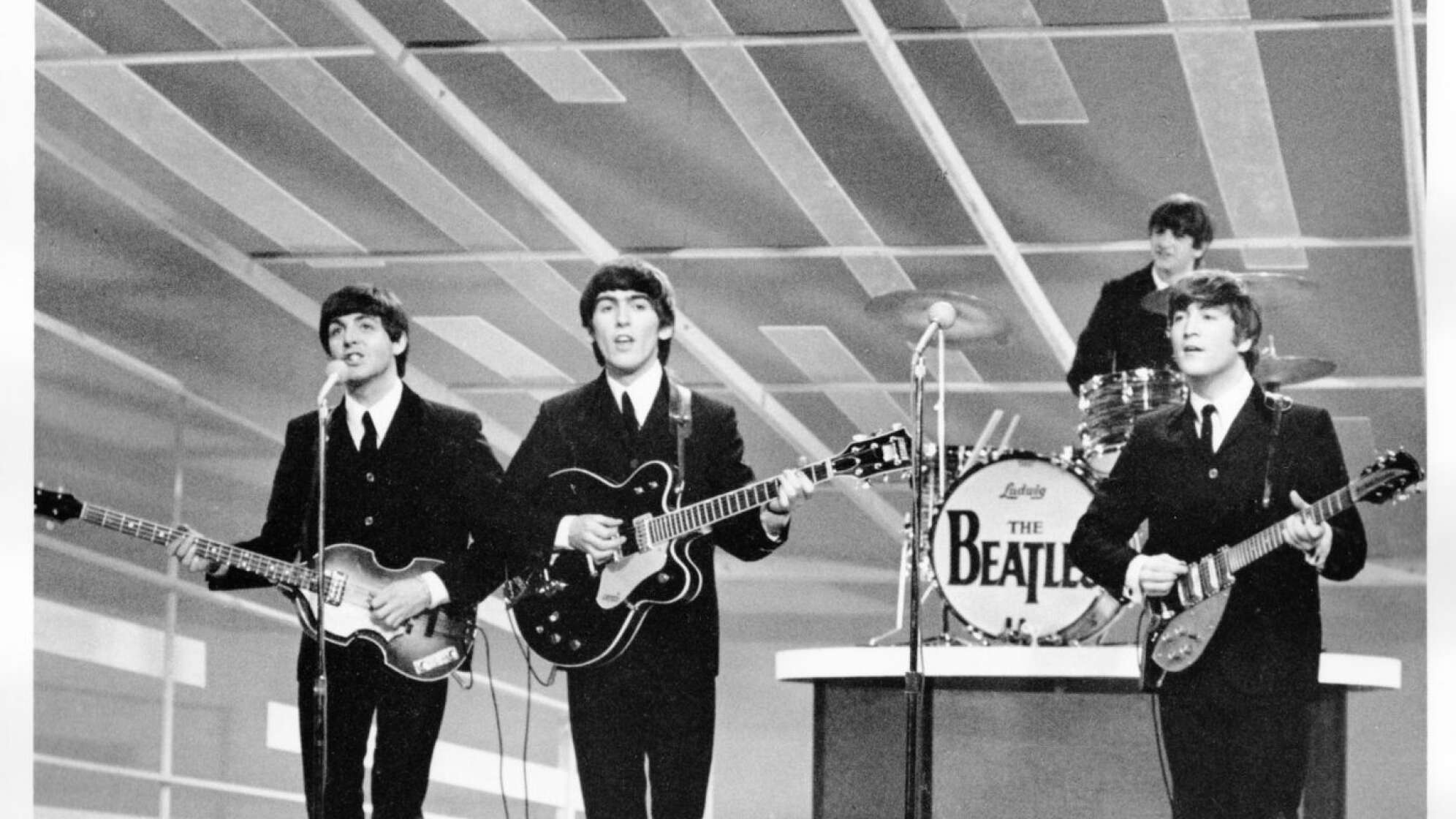
The Beatles haircut, universally known as the moptop, transformed male grooming habits in the early 1960s by replacing rigid, pomade-heavy styles with an unstructured fringe that shocked older generations and rallied global youth.
Before John Lennon, Paul McCartney, George Harrison, and Ringo Starr stepped into the international spotlight, men's hairstyles in Western society were largely uniform and conservative. Clean-cut flattops, side parts slicked down with heavy pomade, and military-inspired tapers dominated barbershops. The moptop broke these conventions completely. It wasn't just a physical look; it became the visual shorthand for the British Invasion and a massive cultural shift that empowered teenagers to define their own identity apart from adult expectations.
The Hamburg Roots and Accidental Beginnings
The origins of the moptop weren't born in a high-end London salon or devised by a marketing agency. Instead, the style took shape during the band’s grueling residency in Hamburg, Germany, between 1960 and 1962. Working long hours in local clubs exposed the young musicians to bohemian artists, existentialists, and German photography students who favored looser, unstructured hair.
Astrid Kirchherr, a German photographer and artist who befriended the band in Hamburg, played a pivotal role in shaping their look. Stuart Sutcliffe, the original bass player for the group, was the first to adopt the sweeping fringe style influenced by Kirchherr. The other band members gradually grew their hair out in a similar fashion, partly to match and partly out of the sheer convenience of touring musicians who didn't have time for regular haircuts.
When Brian Epstein took over management of the group in late 1961, he recognized that upgrading their stage attire from leather jackets to sharp Pierre Cardin-inspired collarless suits needed a complementary grooming update. Epstein encouraged them to clean up the edges while keeping the distinctive forward-combed fringe, creating the iconic silhouette that made them instantly recognizable.
Anatomy of the Moptop Cut
Replicating or understanding the historical mechanics of the Beatles haircut requires looking at specific structural details that set it apart from previous decades. Barbers in the early 1960s were initially baffled by requests for the cut because it violated every rule of traditional men's hairstyling.
Key elements of the classic moptop included:
- The Heavy Fringe: Hair on top was left long enough to fall forward across the forehead, stopping just above the eyebrows. This contrasted sharply with the slicked-back or side-parted styles of fathers and businessmen.
- Tapered Neckline and Sides: While the top and front were voluminous and unstructured, the lower back and sides were neatly trimmed around the ears and neck, giving the cut a clean finish rather than looking completely unkempt.
- Natural Texture: Instead of relying on heavy grease, lacquer, or wax, the hair was left relatively dry and pliable, allowing it to bounce or shake during energetic live performances.
Barbers across the United Kingdom and the United States suddenly found themselves facing lines of teenage boys demanding the exact same shape. Many traditional barbers initially refused, viewing the style as effeminate or untidy, which only added to its appeal among rebellious youth.
Cultural Shockwaves and Media Amplification
When the Beatles arrived in New York City in February 1964 for their historic appearance on The Ed Sullivan Show, American television audiences witnessed a cultural earthquake. Millions of viewers tuned in, and for many parents, the most shocking element wasn't even the music—it was the hair.
Mainstream media outlets ran opinion pieces debating whether the band members were men or women, treating the haircuts as a threat to Western civilization. Editorial boards published anxious commentaries about declining moral standards tied directly to hair length.
This backlash backfired completely. For teenagers navigating the rigid social structures of the mid-20th century, the moptop offered a safe, accessible form of rebellion. You didn't need a motorcycle or a leather jacket to defy authority; you just needed to stop using hair tonic and let your fringe grow down. Sales of hairbrushes and blow dryers soared among young men, fundamentally shifting the male personal care market.
Evolution Beyond the Beatles
As the 1960s progressed, the Beatles themselves moved past the moptop, transitioning into longer, shoulder-length locks, mustaches, and psychedelic experimentation by the time Sgt. Pepper's Lonely Hearts Club Band dropped in 1967. However, the legacy of their early look left a permanent mark on popular culture.
The style proved that pop musicians could dictate global fashion trends faster and more effectively than high-end couture houses. It bridged the gap between working-class youth and commercial fashion, laying the groundwork for the mod movement, psychedelic style, and every subsequent youth subculture that used hair as a badge of belonging.
To explore how music and fashion continue to intersect in contemporary media, you can read more about pop culture shifts through historical archives at the Library of Congress. For broader context on mid-century social changes, historical overviews are regularly updated by the BBC Culture.
Frequently Asked Questions
Did the Beatles invent the moptop haircut?
No, the band didn't invent the style. Variations of forward-combed, fringe-heavy hair had appeared previously among European artists, writers, and bohemian youth. However, the Beatles popularized the look on a global scale, turning an underground artistic choice into a mass-market phenomenon.
How did parents and schools react to the haircut in 1964?
Schools across North America and Europe frequently banned the haircut, sending students home or forcing them to get haircuts in the nurse's office. Parents viewed it as a sign of disrespect and rebellion, which only increased its popularity among teenagers.
When did the Beatles stop wearing the moptop?
The band began moving away from the uniform moptop around 1965, during the recording and release of Rubber Soul. By 1966, as they stopped touring and focused on studio innovation, their hair grew longer, individual styles emerged, and facial hair began to appear.
What products did they use to keep their hair in place?
Unlike the heavy pomades popular in the 1950s, the moptop relied on natural movement. The band members famously shook their heads vigorously during performances to reset their hair naturally, which became a signature part of their energetic stage presence.



