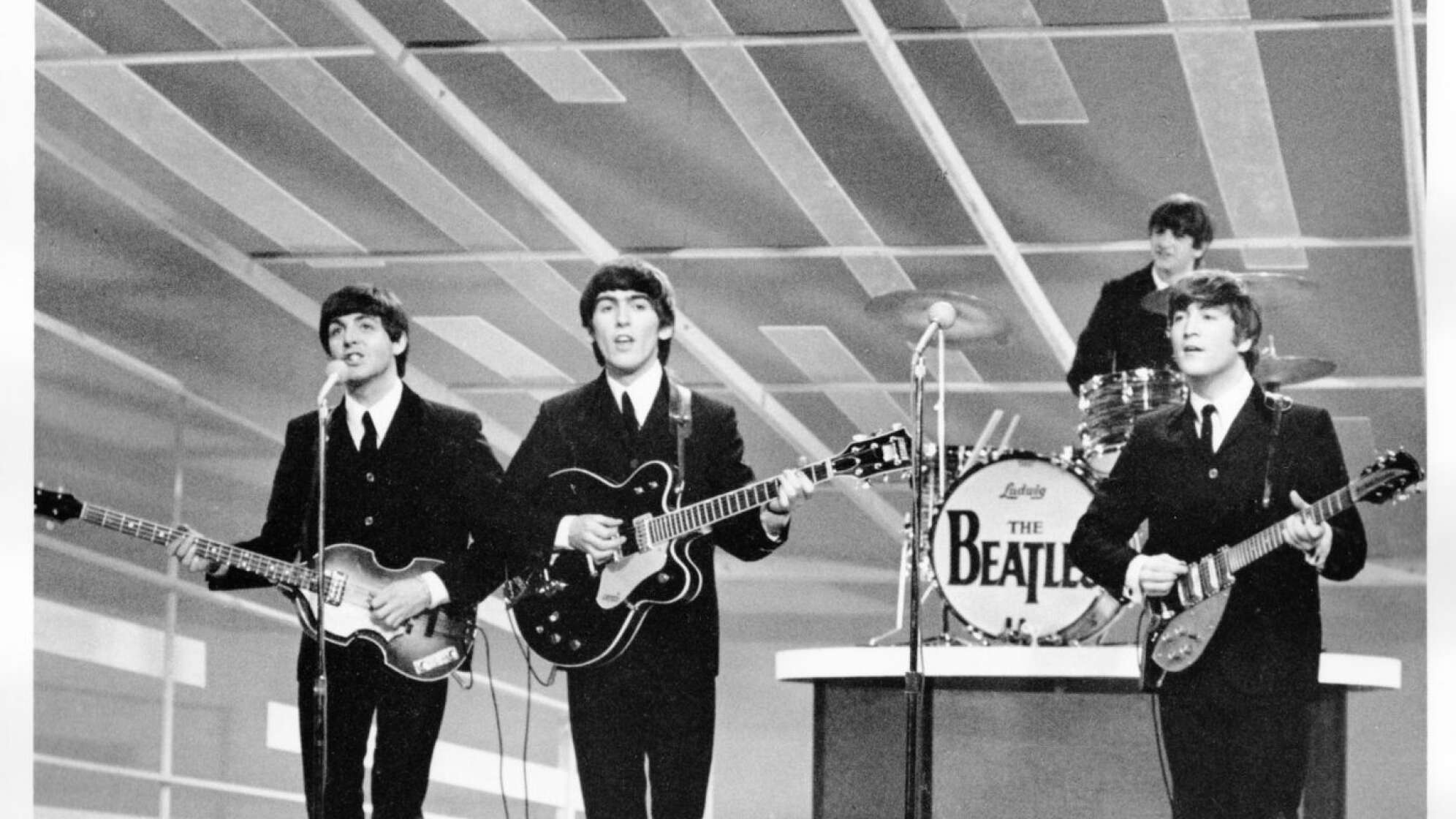
The Beatles changed the course of popular music, but their cinematic footprint remains just as radical. Across a compressed six-year window, John, Paul, George, and Ringo jumped from cash-in pop star vehicles into avant-garde self-direction, psychedelic animation, and raw documentary realism. Their filmography doesn't just chronicle a band breaking apart and evolving; it maps out the shifting counterculture of the 1960s itself.
If you look past the screaming fans and merchandising hype, you find a collection of movies that influenced music videos, editing techniques, and modern comedy. Let's break down the journey from the frantic black-and-white charm of 1964 to the quiet heartbreak of 1970.
A Hard Day's Night (1964): Breaking the Mold of Musical Cinema
Before A Hard Day's Night, pop star movies were cynical, low-effort studio formulas designed to sell a quick soundtrack. United Artists signed the band to a three-film contract mostly to secure the lucrative album rights, expecting little cinematic ambition. Director Richard Lester and scriptwriter Alun Owen completely subverted those expectations.
They turned a commercial obligation into a witty, fast-paced mockumentary that captured the surreal exhaustion of Beatlemania. Shot in stark, documentary-style black-and-white across London, the film follows a fictionalized 36 hours in the life of the group. More analysis by Bloomberg explores related perspectives on this issue.
Why It Still Works
Owen spent days hanging out with the band, capturing their specific Liverpool deadpan humor and translating it directly to the screen. The dialogue feels loose and improv-heavy, even though it's scripted.
Technically, Lester introduced rapid-fire editing and handheld camera work that directly anticipated the modern music video. When the band runs through a field to the title track, the frantic cross-cutting and framing break every rule of traditional 1960s filmmaking. It earned two Academy Award nominations and proved that pop stars could possess genuine cinematic wit.
Help! (1965): Technicolor Chaos and Global Satire
Buoyed by their unexpected critical triumph, the band returned with Help! in 1965. With a larger budget and vibrant color photography, Lester pivoted from a faux-documentary framework into an absurd James Bond-style spy spoof.
Ringo accidentally ends up with a sacrificial ring meant for an Eastern cult, and the band spends the runtime running for their lives across the Bahamas, Austrian Alps, and London.
The Exhaustion Behind the Laughter
While on screen the group looks like they're having a blast playing curling and dodging assassins, production was chaotic. Years later, John Lennon admitted that the band was heavily smoking marijuana to get through the grueling filming schedule.
Yet, the fatigue fueled a chaotic, Marx Brothers-style anarchy. The movie embraces surrealism, featuring orchestral arrangements blended with Eastern instrumentation, tongue-in-cheek title cards, and self-aware meta-humor. It wasn't quite as tight as their debut, but it solidified their screen presence.
Magical Mystery Tour (1967): Psychedelic Freefall on British Television
By 1967, Brian Epstein had passed away, and the band had stopped touring. Eager to take complete control of their output, Paul McCartney pitched an unscripted, highly eccentric television film: a group of ordinary people boarding a mystery bus tour in the English countryside.
With no real script, the group improvised scenes, hired eccentric local actors like Jessie Robins, and funded the project themselves. When Magical Mystery Tour debuted on BBC1 on Boxing Day in 1967, it was broadcast in color to an audience watching mostly on black-and-white television sets.
Critical Backlash and Rediscovery
The British public and press despised it. Critics called it self-indulgent garbage, and the BBC received furious phone calls.
Looking back now, it's clear the film was simply ahead of its time. It stands as an essential artifact of British psychedelia, featuring brilliant standalone conceptual music videos like "I Am the Walrus" and "Fool on the Hill." It marked the very first major misfire of their career, exposing the friction of a band starting to fracture creatively.
Yellow Submarine (1968): Animation as High Art
The band was contractually obligated to deliver one more live-action film to United Artists, but they had little desire to spend months on a movie set. Instead, they compromised by letting animator Heinz Edelmann and director George Dunning take the wheel for Yellow Submarine.
Aside from a brief live-action cameo at the very end, the Beatles are represented by cartoon avatars who journey to Pepperland to save it from the music-hating Blue Meanies.
A Visual Revolution
Yellow Submarine transformed feature-length animation. Eschewing Disney's smooth realism, Edelmann utilized pop art, psychedelic collages, and optical illusions.
The movie gave a visual language to the late-sixties counterculture. Even though voice actors handled their spoken lines, the genuine musical tracks elevate the journey into an enduring psychedelic masterpiece that influenced generations of animators.
Let It Be (1970): The Unflinching Document of a Breakup
Originally conceived as a television special tracking a return to live performance, Let It Be turned into an unintended post-mortem for the greatest band in rock history. Director Michael Lindsay-Hogg captured the band rehearsing at Twickenham Film Studios and Apple Corps in January 1969.
Tensions are palpable in every frame. George Harrison briefly quits the band, Paul McCartney tries to keep the ship afloat, and John Lennon and Yoko Ono remain joined at the hip, detached from the internal group dynamic.
From Vaults to Streaming
For decades, Let It Be was notoriously difficult to legally watch, locked away in corporate vaults due to bitterness over the band's collapse. The tone is heavy, quiet, and occasionally uncomfortable, culminating in their legendary rooftop concert.
While Peter Jackson’s later documentary series The Beatles: Get Back provided essential context showing warmth and humor underneath the friction, the original Let It Be remains a raw, unvarnished look at the cost of creative burnout. You can explore The Beatles Official Site for more details on restoration projects and official releases.
Common Mistakes to Avoid When Exploring Their Filmography
When diving into this cinematic catalog, fans often fall into a few traps. Avoid watching these films expecting traditional narrative structures; Magical Mystery Tour and Let It Be rely entirely on mood, music, and raw atmosphere rather than a clean three-act plot.
Another mistake is skipping Help! assuming it's just a carbon copy of A Hard Day's Night. In reality, it represents a massive leap in budget, color aesthetics, and musical experimentation. Finally, don't confuse the original tense atmosphere of the 1970 Let It Be film with the revised narrative tone of modern archival projects; take each movie as a distinct snapshot of the exact year it was captured.
Frequently Asked Questions
Did the Beatles direct any of their own movies?
Yes, they co-directed Magical Mystery Tour alongside uncredited help from director Bernard Knowles, though the production was largely driven by Paul McCartney's experimental vision.
Why was Let It Be unavailable for streaming for so many years?
The surviving members and Apple Corps kept the film out of print because they felt the documentary captured the painful final months of the band too accurately and negatively.
Which Beatles movie won awards?
A Hard Day's Night received two Academy Award nominations for Best Original Screenplay and Best Scoring of Music, and it remains a critical darling on lists of all-time greatest comedies.
Did the Beatles voice their own characters in Yellow Submarine?
No, professional voice actors provided the spoken dialogue for the animated counterparts, though the actual band members did film a brief live-action sequence that closes out the movie.



