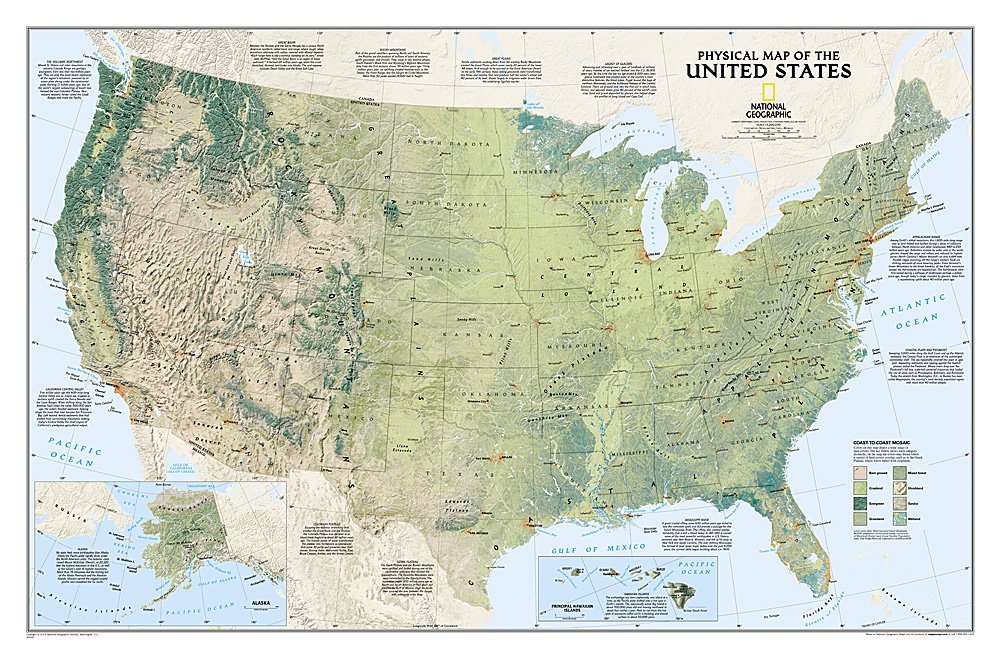
The 50th US state to join the American union is Hawaii, which officially achieved statehood on August 21, 1959. While many casual trivia seekers confuse its timeline with older territories, Hawaii's path to becoming the final star on the American flag spans decades of complex political maneuvering, strategic defense interests, and contested indigenous sovereignty.
Understanding the 50th state requires looking past postcard imagery of beaches and volcanoes to examine the legal framework, historical milestones, and geopolitical shifts that culminated in its integration. This guide breaks down the exact timeline, the legislation involved, and the lesser-known facts surrounding Hawaii's admission.
The Path to Statehood: A Timeline
Hawaii's journey from an independent monarchy to a United States territory and finally to the 50th state took over six decades. The timeline below outlines the critical milestones that shaped this transition:
- 1893: A group of American sugar planters and businessmen, backed by US Marines, overthrew the Hawaiian monarchy and Queen Liliuokalani.
- 1898: The United States officially annexed the islands through the Newlands Resolution, establishing the formal Territory of Hawaii.
- 1941: The attack on Pearl Harbor thrust the territory directly into World War II, highlighting its immense strategic and military value to mainland defense.
- March 1959: President Dwight D. Eisenhower signed the Hawaii Admission Act, dissolving the territory framework and setting the stage for statehood.
- June 1959: Over 93% of participating local voters overwhelmingly approved a referendum to accept statehood.
- August 21, 1959: Hawaii officially became the 50th US state via a presidential proclamation.
The Legislative Mechanics: The Hawaii Admission Act
The legal instrument that made Hawaii the 50th state was Public Law 86-3, widely known as the Hawaii Admission Act. Enacted by the 86th United States Congress and signed by President Eisenhower on March 18, 1959, the legislation laid out specific parameters for the new state government.
Unlike mainland territories that shared contiguous borders, Hawaii presented unique geographic and constitutional questions. The Admission Act explicitly defined the boundaries of the new state, incorporating the major volcanic islands while notably excluding outlying reefs like Palmyra Atoll.
Before the act could take full effect, Congress required a local plebiscite. Voters in the territory answered three specific questions on the ballot: whether they favored the propositions set forth in the act, whether they wanted to exclude certain lands, and whether they accepted the immediate establishment of a state government. The overwhelming "yes" vote cleared the final hurdle for official entry.
Why Hawaii Joined Last Among the 50
People often wonder why it took Hawaii more than sixty years from initial annexation in 1898 to final statehood in 1959. Several major roadblocks delayed the process:
- Racial and Cultural Prejudice: Many members of Congress in the mid-20th century expressed reservations about admitting a state with a majority non-white population and a distinct multicultural heritage.
- Partisan Politics: Lawmakers in Washington frequently debated the political balance of power. At the time, Alaska and Hawaii were viewed as potential swing regions that could alter the delicate balance between the Democratic and Republican parties in the Senate.
- Economic Concerns: Opponents questioned whether the island economy—heavily dependent on agriculture, sugar cane, and pineapple production—could sustain itself as an independent state rather than a federally supervised territory.
The admission of Alaska as the 49th state earlier in 1959 cleared the political pathway for Hawaii to follow shortly after.
Unique Characteristics of the 50th State
As the final state added to the union, Hawaii holds several distinct geographical and cultural traits that set it apart from the other 49 states:
- Geographic Isolation: Situated nearly 2,400 miles off the mainland coast of California, it is the only US state composed entirely of islands and the only one located outside of North America.
- Dual Official Languages: According to the state constitution, English and Hawaiian are the two official languages of the state.
- No Linear Time Zones: Hawaii does not observe Daylight Saving Time, keeping its clock consistent year-round in the Hawaii-Aleutian Standard Time zone.
For further details on congressional records and official documents related to this era, you can review resources provided by the National Archives or examine the historical overviews hosted by Britannica.
Frequently Asked Questions
When did Hawaii officially become a state?
Hawaii officially became the 50th US state on August 21, 1959, following President Eisenhower's signing of the proclamation mandated by the Hawaii Admission Act.
Which state was admitted just before Hawaii?
Alaska was admitted to the union as the 49th state on January 3, 1959, just months before Hawaii's admission.
Did the local population vote in favor of statehood?
Yes. In a June 1959 territorial referendum, roughly 93% of voters chose to accept statehood over remaining a US territory.
Are there other territories waiting to become states?
Currently, populated US territories like Puerto Rico, Guam, and the US Virgin Islands hold commonwealth or territorial status, but none have active congressional legislation finalized for upcoming statehood.



