When sub-freezing temperatures descend on Texas, daily routines can stall almost overnight. Preparing for a sudden winter storm requires more than just pulling a heavy coat out of the closet. Because infrastructure across the Lone Star State is built primarily to combat intense summer heat, unexpected Arctic blasts can place immense strain on power grids, plumbing, and transportation networks. Knowing how to protect your home and family ahead of a freeze makes all the difference when winter weather strikes.
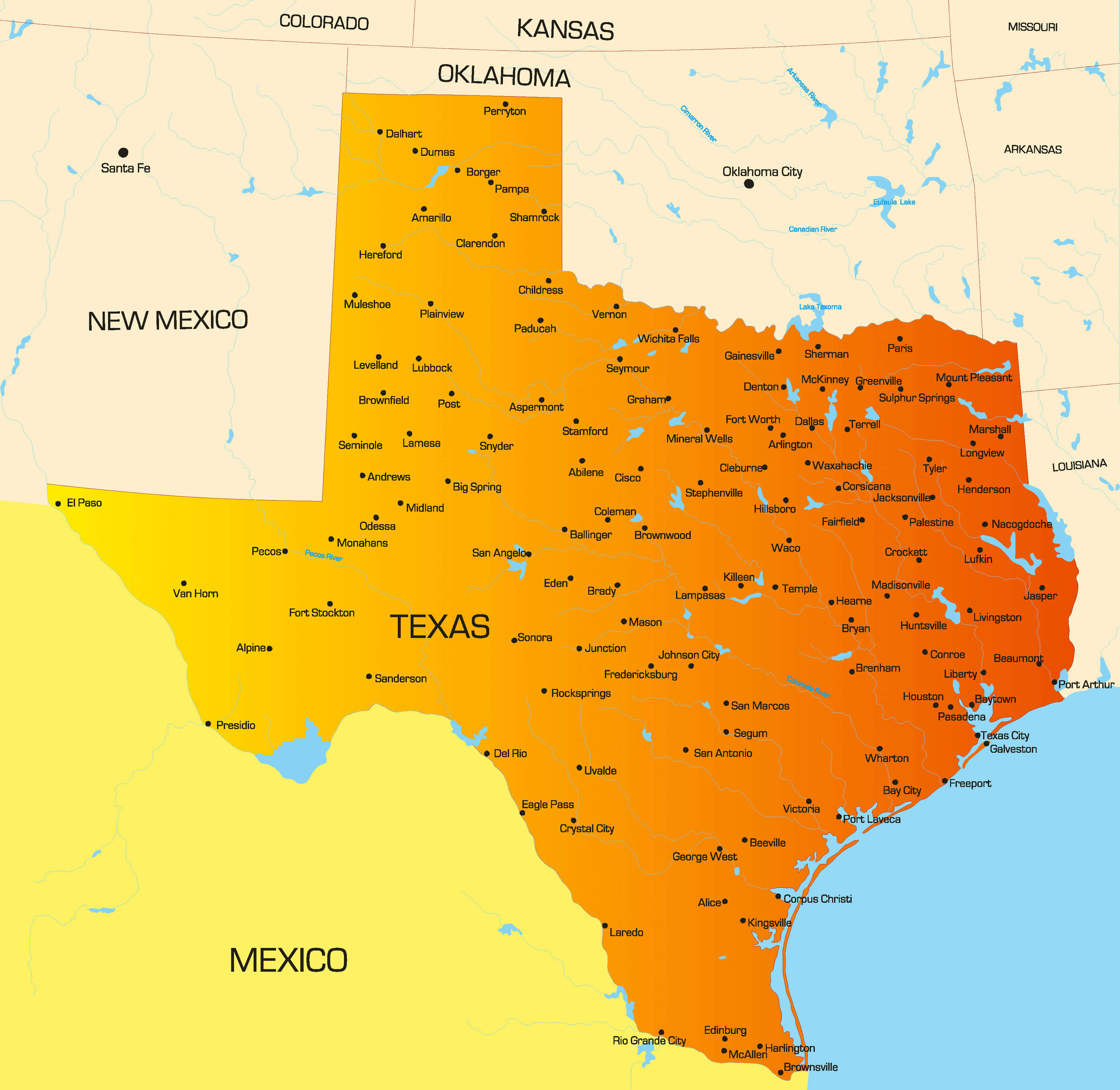
Winter weather in Texas rarely follows a predictable script. While northern regions like Amarillo or Lubbock routinely handle ice and snow, central and coastal areas like Austin, Houston, and San Antonio see freezing conditions much less frequently. This variance catches many residents off guard. Understanding regional climate risks, insulating property, and monitoring official updates from agencies like the Texas Division of Emergency Management helps communities stay safe when temperatures plunge.
Understanding Texas Winter Weather Patterns
Arctic air masses occasionally spill south across the Great Plains, plunging deep into Texas. When these cold fronts collide with Gulf moisture, they generate complex mix-precipitation events involving sleet, freezing rain, and snow.
Freezing rain poses a severe hazard because supercooled droplets instantly freeze upon contact with power lines, bridges, and roadways. Ice accumulation weighs down tree limbs and snaps utility lines, leading to widespread power interruptions. Observers at Bloomberg have shared their thoughts on this trend.
Why Rare Freezes Hit Harder
Infrastructure in southern climates differs fundamentally from northern states. Homes often feature exterior pipes, shallow water lines, and minimal insulation compared to buildings in regions accustomed to deep winter frost. When temperatures drop well below freezing for consecutive days, unprotected pipes freeze and burst, causing extensive property damage.
Protecting Your Home Before the Freeze Arrives
Taking proactive steps before freezing weather arrives prevents costly repairs and keeps your household comfortable during a power loss.
- Insulate exposed pipes: Wrap outdoor faucets, exposed supply lines, and pipes located in unheated areas like crawl spaces or attics with foam insulation sleeves.
- Know how to shut off water: Locate your main water shut-off valve and ensure you have the appropriate tool on hand to turn it off quickly if a pipe bursts.
- Seal drafts around windows and doors: Apply weatherstripping or caulk to prevent cold air from infiltrating living spaces.
- Service heating systems: Test your furnace or heat pump before cold weather hits. Replace filters regularly to maintain efficient airflow.
Managing Grid Strain and Energy Reliability
Electricity demand surges during prolonged cold snaps as millions of electric heaters run simultaneously. The Electric Reliability Council of Texas manages the state's power grid, balancing supply and demand to maintain stability.
During peak cold events, officials often urge residents to conserve electricity. Lowering thermostats by a few degrees, sealing unused rooms, and shifting heavy appliance use to off-peak hours helps reduce stress on power generation facilities. Keeping backup battery banks charged, flashlights ready, and non-perishable food stocked ensures your household can weather a temporary outage safely.
Safe Driving on Icy Texas Roads
Road maintenance crews in Texas have limited fleets of de-icing equipment compared to northern states, meaning bridges and overpasses can turn hazardous within minutes during a freezing drizzle.
- Stay off the roads if possible: Allow road crews time to treat major corridors before attempting travel.
- Increase following distance: Black ice is nearly invisible on highways; give yourself triple the usual stopping distance behind other vehicles.
- Pack an emergency car kit: Keep blankets, bottled water, a flashlight, jumper cables, and a small shovel in your trunk.
Frequently Asked Questions
When do freezing temperatures typically start in Texas?
First freezes vary widely by region. The Texas Panhandle usually sees freezing temperatures by late October or November, while major metro areas like Dallas average their first freeze in late November. Coastal and southern cities often wait until mid-to-late December.
How can I prevent my pipes from bursting during a hard freeze?
Insulate all exposed outdoor pipes, let indoor faucets drip slowly to keep water moving through the lines, and open under-sink cabinet doors to allow warm air to circulate around plumbing.
Where can I monitor official road conditions during a winter storm?
You can check real-time road closures, ice reports, and traffic incidents across state highways by visiting DriveTexas.org.
What should I include in an emergency winter kit?
Stock at least one gallon of water per person per day, non-perishable food, a manual can opener, first aid supplies, extra blankets, flashlights with spare batteries, and a battery-powered radio.



