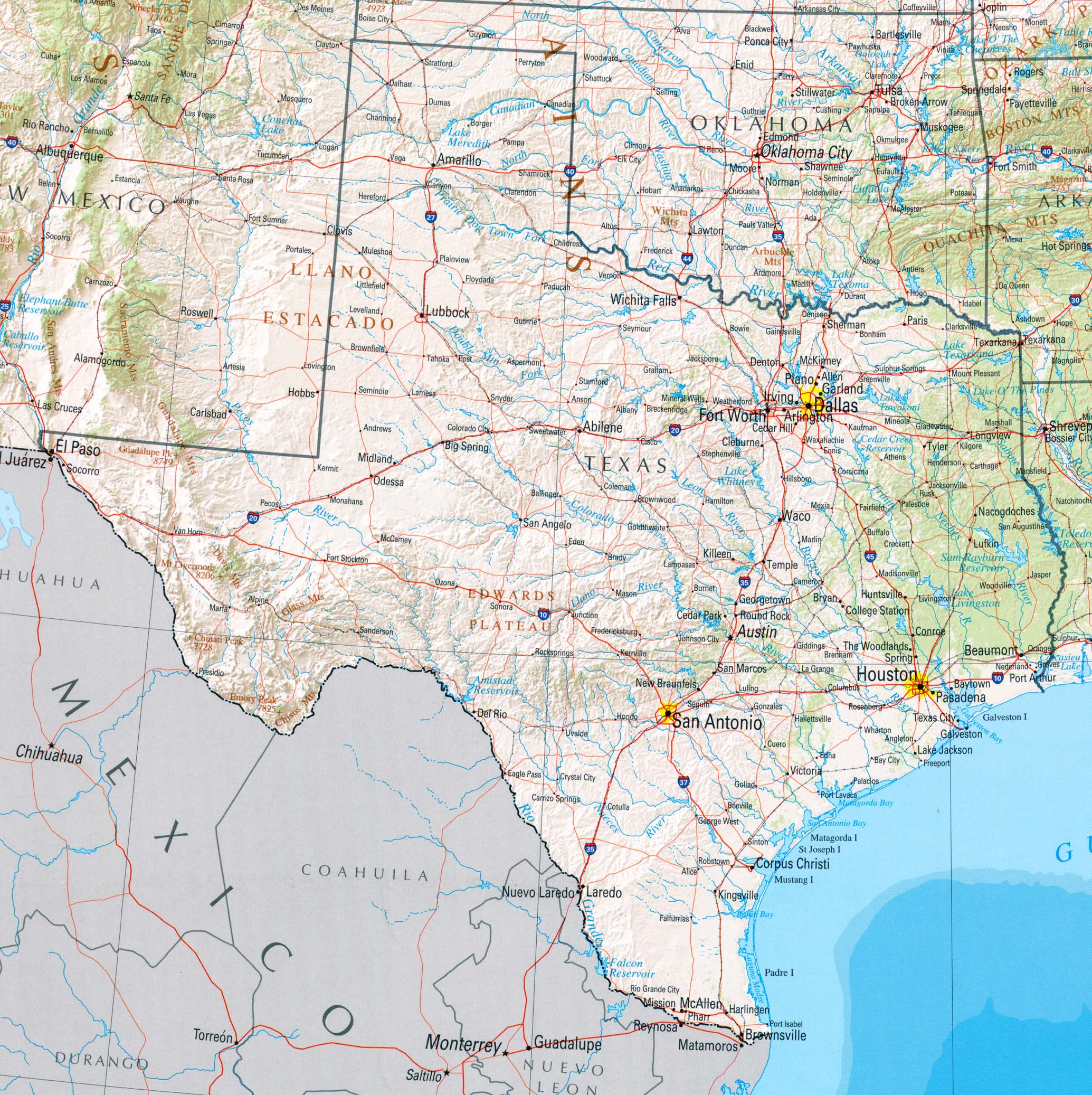
Deciding where to plant roots across the American Southwest and Rocky Mountain corridor usually comes down to three heavy hitters: Texas, New Mexico, and Colorado. Each state offers a distinct lifestyle, but they appeal to vastly different priorities regarding taxes, climate, job markets, and outdoor recreation. Texas brings economic muscle and no state income tax, Colorado offers unmatched alpine living and a booming tech sector, and New Mexico provides rich cultural heritage and a slower pace at a lower price point.
Choosing the right state depends entirely on what you value most in your daily life. If you're chasing corporate careers and warm weather, Texas is hard to beat. If you prioritize weekend snowboarding and progressive outdoor culture, Colorado wins. If you want artistic freedom, wide-open desert vistas, and a lower cost of living, New Mexico emerges as the clear choice. Let's break down how these three neighbors stack up across the metrics that actually matter when you're packing up moving boxes.
Cost of Living and Housing Markets
Your bank account feels the impact of these three states in entirely different ways. Housing costs, property taxes, and utility bills vary wildly between Austin, Denver, and Santa Fe.
Colorado has seen explosive population growth over the last decade, driving home prices up significantly. A typical single-family home in the Denver metro area or Boulder routinely sits well above the national average. Renting isn't much cheaper, though smaller mountain towns and the Western Slope offer some relief if you don't mind remote living.
Texas offers a mixed bag. While major economic hubs like Austin, Dallas, and Houston have experienced massive price spikes, you still get more square footage for your money here than in Colorado. However, you have to factor in property taxes, which are among the highest in the nation.
New Mexico stands as the most budget-friendly option of the trio. Cities like Albuquerque and Las Cruces maintain median home prices well below the national average. Utilities and everyday goods are also relatively inexpensive, making New Mexico an attractive destination for remote workers and retirees looking to stretch their savings.
Job Markets and Economic Opportunity
Employment prospects dictate where most relocations happen. Each state anchors its economy on completely different industries.
Texas operates as an economic powerhouse. It boasts a thriving corporate sector, drawing Fortune 500 headquarters from coast to coast. Energy, aerospace, healthcare, technology, and logistics drive steady job growth across Houston, Dallas-Fort Worth, San Antonio, and Austin. If you want corporate upward mobility or entrepreneurship opportunities, Texas provides a massive playground.
Colorado's economy thrives on technology, aerospace, renewable energy, and tourism. Denver and Boulder host major tech hubs and startups, earning the region the nickname the Silicon Valley of the Rockies. The job market is competitive, highly educated, and heavily skewed toward innovation and outdoor recreation industries.
New Mexico's economy is smaller and more heavily reliant on government, national laboratories, tourism, and federal installations like the Los Alamos National Laboratory. Private-sector job growth can be slower compared to its neighbors, but healthcare, education, and artistic trades offer steady employment for locals.
Climate, Geography, and Outdoor Lifestyle
The landscape shapes your weekend routines, hobbies, and overall mood. If you hate snow, certain parts of this trio won't suit you.
Colorado delivers world-class outdoor recreation. You get 300 days of sunshine paired with legendary skiing, mountain biking, hiking, and camping. Summers are mild and dry, though winters bring heavy mountain snowfalls and freezing temperatures. It's a paradise if your idea of a good weekend involves a hydration pack and a mountain peak.
Texas weather demands resilience against extreme summer heat. From June through September, temperatures across most of the state routinely exceed 100 degrees Fahrenheit, keeping people indoors or in air-conditioned hubs. Winters are mild, and while the state lacks major public mountain ranges, it offers great access to lakes, state parks, and Gulf Coast beaches.
New Mexico delivers a classic high-desert climate with four distinct seasons. You'll experience warm summers that cool down significantly at night due to the high elevation, alongside crisp, snowy winters in northern areas like Taos and Santa Fe. It's quieter, less crowded, and ideal for hiking mesas, exploring canyons, and enjoying dark night skies.
Taxes and State Regulations
Financial friction matters when you earn money, buy groceries, or purchase a home. Tax policies across these three states differ drastically.
- Texas: Famous for having no state income tax. This makes it a magnet for high earners and retirees alike. To compensate, the state relies heavily on property taxes and sales taxes, which can catch newcomers off guard.
- Colorado: Features a flat state income tax rate, which sits around 4.4 percent. Property taxes are notably low compared to the rest of the country, but sales taxes can add up depending on the specific municipality.
- New Mexico: Imposes a progressive state income tax system with multiple brackets. Property taxes are relatively low, but the state levies a gross receipts tax on a broad range of services and goods, which functions similarly to a sales tax.
Culture, Food, and Daily Vibe
Culture defines how a place feels when you walk down the street. Texas leans heavily into southern hospitality, cowboy lore, live music scenes, and massive sports culture. The food scene is legendary, anchored by authentic barbecue, Tex-Mex, and coastal seafood.
Colorado fosters a health-conscious, active, and casual lifestyle. Breweries, outdoor gear shops, and farmers' markets dictate the social calendar. People dress in fleece and hiking boots, and the cultural vibe is progressive, welcoming, and centered around environmental stewardship.
New Mexico embraces a rich blend of Native American and Spanish heritage, famously captured in its art, architecture, and cuisine. Green and red chile are staples of daily life, and communities like Santa Fe and Taos function as world-renowned art havens. The pace is slower, deliberate, and deeply tied to history.
Frequently Asked Questions
Which state has the lowest overall cost of living?
New Mexico offers the lowest overall cost of living among the three, primarily driven by affordable housing options in cities like Albuquerque and Las Cruces.
Does Texas really have no income tax?
Yes, Texas does not levy a state personal income tax. However, residents pay for public services through higher-than-average property taxes and local sales taxes.
Is Colorado or New Mexico better for winter sports?
Colorado is the clear winner for winter sports enthusiasts. It features dozens of world-class ski resorts, whereas New Mexico has a smaller handful of ski areas like Taos and Ski Santa Fe.
Which state experiences the hottest summers?
Texas experiences significantly hotter and more humid summers than both Colorado and New Mexico, with prolonged stretches of triple-digit temperatures across most of the state.



