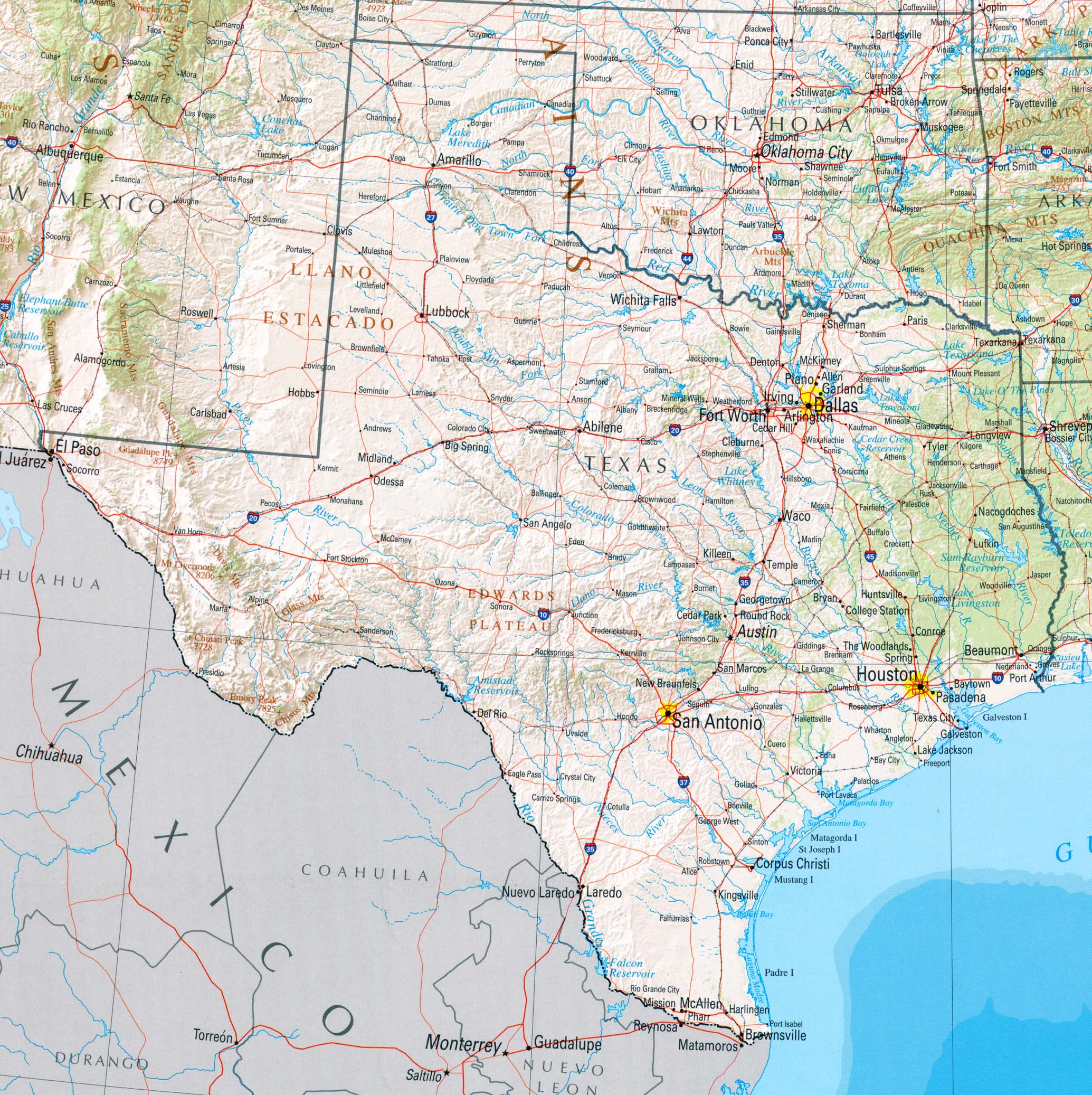
Billions of dollars in forgotten cash, uncashed paychecks, and dormant bank accounts sit in state vaults waiting to be claimed. In Texas alone, the state holds over $21 billion in unclaimed property belonging to individuals and businesses. If you've ever moved, changed jobs, or closed an old bank account, some of that money might be yours.
The process of finding and claiming these funds is entirely free and managed directly by the state government. You don't need to pay a third-party locator service or purchase special software. This guide details how property gets left behind, how to search the official Texas Comptroller database, and what documents you need to get your money back.
What is Texas Unclaimed Property?
Texas law requires banks, utility companies, insurance providers, and employers to turn over financial assets to the state if there's no customer contact or account activity for a specific period—typically three years. This legal transfer is called escheatment.
Escheatment protects consumers. Instead of financial institutions absorbing dormant funds or charging continuous maintenance fees until the balance hits zero, the state holds the money indefinitely. The state acts as a permanent custodian, meaning your claim never expires. Whether the funds were abandoned three years ago or thirty years ago, you can still recover them.
Common Types of Forgotten Assets
Unclaimed property takes many forms beyond simple bank accounts. When companies lose touch with customers or employees, several types of assets routinely end up in the state's custody:
- Payroll and Wages: Uncashed paychecks, unpaid commissions, bonuses, and severance pay from past employers.
- Banking and Finance: Checking and savings accounts, certificates of deposit (CDs), uncashed cashier's checks, traveler's checks, and money orders.
- Utility Deposits: Security deposits paid to electric, gas, water, or telephone companies that were never refunded when service was canceled or transferred.
- Insurance and Annuities: Unpaid life insurance policy payouts, matured endowments, and refunds from health or auto insurance policies.
- Stocks and Dividends: Forgotten mutual fund shares, uncashed dividend checks, stock splits, and proceeds from corporate mergers or buyouts.
- Safe Deposit Box Contents: Abandoned contents of safe deposit boxes—such as rare coins, jewelry, or documents—are auctioned off by the state after a statutory holding period, with the cash proceeds held for the owner.
How to Search the Texas Unclaimed Property Database
The Texas Unclaimed Property Search Portal is the central hub for locating lost funds. The search engine is public, free to use, and takes less than a minute to run.
To start your search, follow these steps:
- Navigate to the official portal: Go to ClaimItTexas.gov. Avoid lookalike websites that charge service fees.
- Enter your name: Type your first and last name. If you have a common name, you'll likely see dozens of results. Narrow your search by adding a middle initial or a city where you previously lived.
- Check name variations: Search using your maiden name, previous married names, common misspellings, or shortened nicknames (e.g., "Bob" instead of "Robert").
- Search for relatives: You are legally entitled to claim property on behalf of deceased parents, grandparents, or spouses if you are an heir or executor of the estate. Search for deceased family members using their past addresses.
- Look up businesses: If you own or previously managed a business in Texas, search under the company name and any previous DBA (Doing Business As) titles.
How to File and Claim Your Property
Finding a match in the database is only the first step. Because financial assets are protected by privacy and anti-fraud regulations, you must prove your identity before the state releases any funds.
Step-by-Step Claim Submission
- Select your property: Click the checkbox next to each property listing that belongs to you or your immediate family. The items will be added to your virtual "claim cart."
- Create an account: Register for a secure user profile on the portal by entering your email address and setting a password.
- Complete the claim form: Fill out your current mailing address, phone number, and Social Security number. The state uses your Social Security number to verify ownership and ensure you aren't filing fraudulent claims against multiple accounts.
- Upload supporting documents: You will need to attach digital files proving your identity and your connection to the address listed on the property record. Acceptable documents include:
- A valid driver's license, state ID, or passport.
- Proof of your Social Security number (such as a W-2 form, Social Security card, or tax return).
- Proof of address linking you to the specific historical record (such as an old utility bill, lease agreement, or mortgage statement showing the address associated with the claim).
- Submit and track: Once submitted, the system provides a claim ID. Most claims under a certain dollar threshold are processed automatically within a few weeks. Larger or complex claims—especially those involving deceased relatives—require manual review by state auditors and may take several months.
What Documents Are Needed for Deceased Relatives?
If you are claiming property on behalf of someone who has passed away, the documentation requirements are stricter. Beyond your own ID, the state typically requests:
- A copy of the deceased person's death certificate.
- Proof of your relationship to the decedent (birth certificates, marriage licenses, or a will).
- Letters Testamentary or Letters of Administration if you are the court-appointed executor or administrator of the estate. If the estate went through probate, documents showing how assets are to be distributed are required.
Common Mistakes That Delay Claims
Filing a claim is straightforward, but minor mistakes can cause significant delays or lead to a claim being rejected. Avoid these common pitfalls to ensure a smooth payout:
- Failing to check address history: If the property record lists an address from 15 years ago, providing proof of your current address alone might not be enough. You must prove you lived at the historic address tied to the asset.
- Submitting poor-quality photos: Blurry or cropped scans of driver's licenses or utility bills will be rejected by automated verification software. Ensure all text and document borders are clearly visible.
- Ignoring name mismatches: If your legal name changed due to marriage or divorce, your current ID won't match the name on an old bank account. You must include marriage certificates or legal name-change decrees to bridge the gap.
- Using third-party services: Private locator companies scour public databases and contact people offering to "find" their money for a 10% to 30% fee. You can do this yourself in five minutes for free. Never sign a contract with a finder service.
Frequently Asked Questions
Does unclaimed property ever expire?
No. Once a company turns funds over to the Texas Comptroller, the state holds the money in perpetuity. There is no deadline or expiration date for filing a claim, and the state does not charge storage or maintenance fees.
How long does it take to get my money?
Simple claims for low-dollar amounts are often processed and paid via check within two to four weeks. Complex claims, high-value assets, or claims involving deceased relatives require manual document review and can take anywhere from 60 to 120 days.
Do I have to pay taxes on recovered unclaimed property?
It depends on the source of the funds. The return of your own principal (such as a forgotten bank account balance or an overpaid utility bill) is not considered taxable income because you already paid taxes on that money when you earned it. However, if the claim includes accumulated interest or dividends, that specific portion may be reportable as taxable income.
What if I live outside Texas now?
You do not need to be a current Texas resident to claim property from the state. If you lived, worked, or held financial accounts in Texas in the past, you are fully entitled to search the database and file a claim from anywhere in the world.
Can I search for unclaimed property in other states?
Yes. Every U.S. state operates its own separate unclaimed property division. If you have lived in multiple states, you should check the database for every state where you have maintained a residence or financial footprint. A great centralized tool for searching across multiple states simultaneously is MissingMoney.com, which partners with participating state governments.



