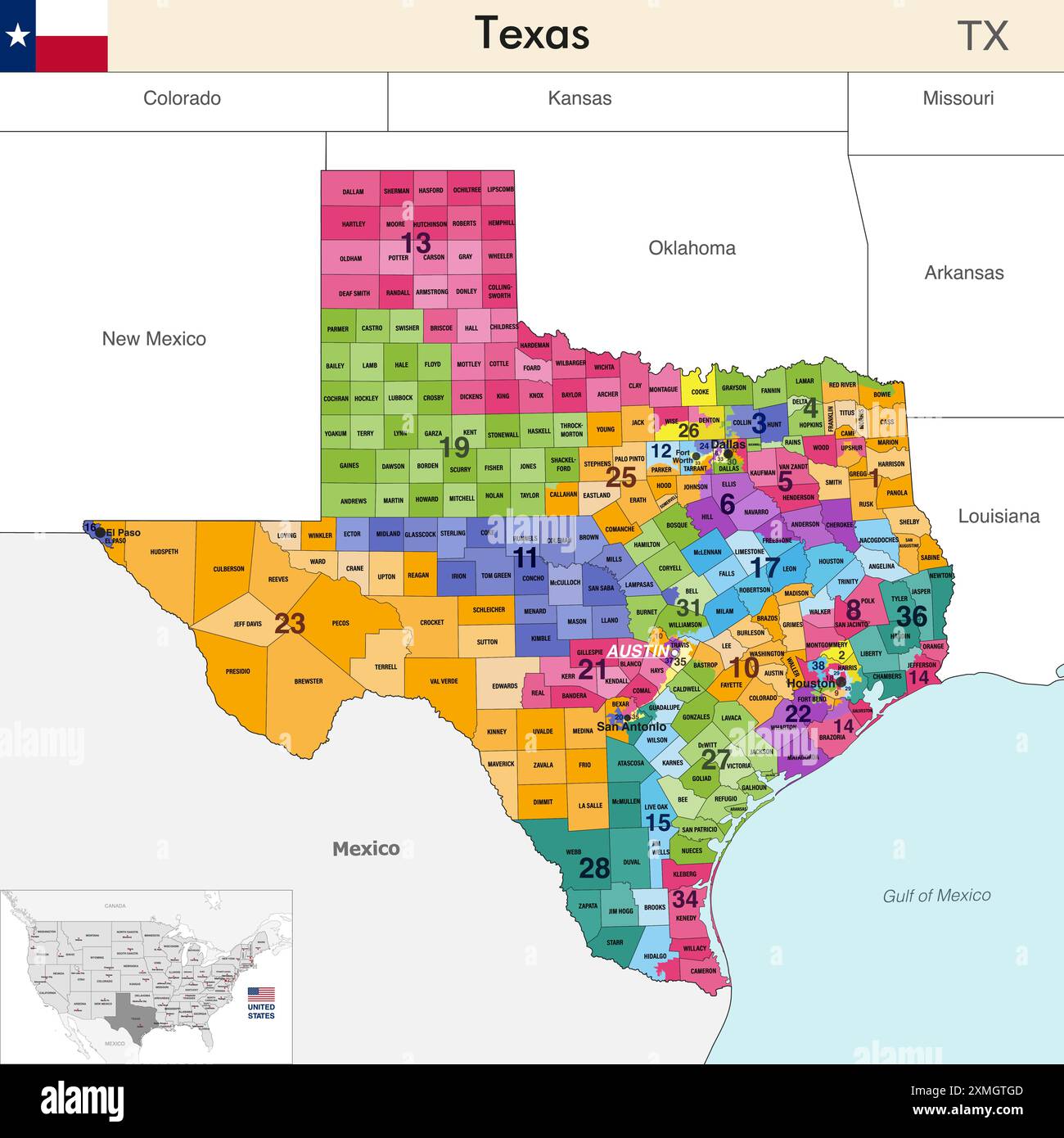
When people think of the Lone Star State, massive metropolises like Houston, San Antonio, and Dallas usually dominate the conversation. Yet, beneath the shadow of these multi-million-person urban centers lies a rich network of small communities. Examining Texas towns by population reveals a diverse collection of hidden gems where local history, quiet landscapes, and tight-knit cultures thrive far away from Interstate highway traffic.
Understanding the demographic scale of these smaller localities requires looking past the state's sprawling major metros. While over sixty percent of Texans live within core urban corridors, hundreds of incorporated towns house fewer than ten thousand residents. These lesser-known destinations offer travelers and prospective movers a completely different perspective on Texan life, blending rich cultural roots with surprising modern revitalization.
Defining the Scale: Small-Town Demographics in Texas
Texas features more than twelve hundred incorporated municipalities, spanning a massive spectrum of sizes. The United States Census Bureau tracks these jurisdictions carefully, categorizing them by population thresholds that influence local governance and economic funding.
Small towns generally fall into tiers ranging from micro-villages under 1,000 residents up to robust rural hubs holding between 5,000 and 15,000 people. Communities under 5,000 often retain historic town squares, single high schools that anchor local social life, and family-owned businesses operating for generations.
- Micro-Communities (Under 1,000 Residents): These places offer supreme isolation, historic architecture, and unique geographical curiosities. For example, towns like Uncertain near Caddo Lake maintain populations under 100 people while drawing visitors for their distinct ecosystems.
- Mid-Sized Rural Towns (1,000 to 5,000 Residents): Often serving as agricultural or county seats, these spots feature classic courthouses, local diners, and community festivals.
- Expanding Exurbs (5,000 to 15,000 Residents): Many towns in this bracket, particularly around Austin and Dallas-Fort Worth, experience explosive growth rates exceeding 100 percent per decade as remote work and urban migration reshape regional maps.
Hidden Gems Across the Population Spectrum
Exploring Texas's lesser-known municipalities highlights distinct pockets of culture across different geographic regions. These destinations combine low population densities with outsized cultural or natural appeal.
Marfa: Desert Minimalism and Art History
With a stable population hovering around 1,700, Marfa stands as an unlikely global capital for minimalist art. Located in the high desert of West Texas, this former water stop along the rail lines transformed during the 1970s when artist Donald Judd established large-scale installations. Visitors navigating the remote Trans-Pecos region find high-end galleries, historic hotels, and the mysterious Marfa Lights sharing space with traditional ranching culture.
Terlingua: Ghost Town Resurgence
Technically an unincorporated community rather than an incorporated town with an official census count in the hundreds, Terlingua captures the rugged spirit of the Big Bend area. Once a booming quicksilver mining camp in the early twentieth century, it emptied out almost entirely after the mines closed. Today, a hardy community of artists, musicians, and desert guides keeps the historic ruins alive, offering travelers a gateway to rugged mountain trails and stargazing.
Jefferson: East Texas Timber and Steamboat Heritage
Nestled in East Texas near the Louisiana border, Jefferson houses roughly 2,000 residents. During the mid-nineteenth century, it served as a bustling river port before railway expansions shifted economic power elsewhere. Today, the town preserves its brick storefronts, gas-lit street lamps, and grand Victorian bed-and-breakfasts. Visitors explore Caddo Lake's eerie cypress swamps just minutes from the historic district.
Gruene: Historic District Within New Braunfels
While technically merged into the city limits of New Braunfels, Gruene retains a distinct village identity with a tiny core population footprint. Established by German farmers in the mid-1800s, the historic district centers around Gruene Hall, the oldest continually operating dance hall in Texas. The surrounding bluff overlooking the Guadalupe River draws travelers looking for live music, antique shops, and preserved 19th-century architecture.
Economic Shifts and Small-Town Growth Pressures
Examining population shifts in rural Texas reveals a fascinating economic tug-of-war. On one hand, many remote West and East Texas towns face declining numbers as younger generations migrate toward major job centers. On the other hand, towns situated within a ninety-minute radius of Austin, Houston, San Antonio, or Dallas experience intense suburban spillover.
Infrastructure strain is a common challenge for these expanding enclaves. Water rights, road maintenance, and school district expansions test the budgets of local municipal governments that previously operated at a much slower pace. Communities like Dripping Springs and Celina manage these rapid transitions by implementing strict zoning rules and economic development strategies designed to protect local character while accommodating new rooftops.
Practical Tips for Exploring Rural Texas
Visiting or relocating to smaller Texas municipalities requires a different approach than navigating major urban centers. Planning ahead ensures a smooth experience.
- Check Operating Hours: Many small-town restaurants, museums, and shops operate on limited schedules, often closing early or staying closed on early-week days. Call ahead or check active social media pages rather than relying solely on automated map listings.
- Respect Private Land: Texas is overwhelmingly privately owned, with over 95 percent of land held by private entities. Never cross fenced gates or ignore signage regarding private property boundaries, especially in rural ranching counties.
- Secure Lodging Early: Destinations with tiny populations, such as Marfa or Terlingua, feature limited hotel inventory. Booking accommodations months in advance is essential during peak spring and autumn travel windows.
- Prepare for Sparse Services: Cellular coverage can drop significantly in hill country valleys and West Texas deserts. Download offline maps before embarking on scenic backroad drives.
For deeper demographic insights and municipal listings, consult the Texas Demographics Portal or review official travel resources provided by Texas Highways.
Frequently Asked Questions
What is the smallest incorporated town in Texas?
Texas features several tiny municipalities and unincorporated settlements with populations under 100 people. Towns like Uncertain have tiny official resident counts, while numerous unincorporated hamlets consist of only a handful of families.
Are small Texas towns affordable for relocation?
Affordability varies wildly based on location. Small towns located far from major economic hubs often feature low housing costs. Conversely, small towns experiencing explosive exurban growth near Austin or Dallas-Fort Worth frequently see home prices matching or exceeding major metro averages.
How are Texas town populations counted?
Municipal populations are officially tracked through the decennial U.S. Census, supplemented by annual population estimates generated by the Texas Demographic Center and state agencies between census cycles.
Do small Texas towns have local government?
Yes, incorporated municipalities operate under specific state classifications—cities, towns, or villages—each with distinct governance structures, city councils, and local ordinances permitted under Texas statutes.
https://www.youtube.com/watch?v=sWubkewLm8w This video provides a visual tour of unique small towns and hidden destinations across Texas with fascinating population facts.


