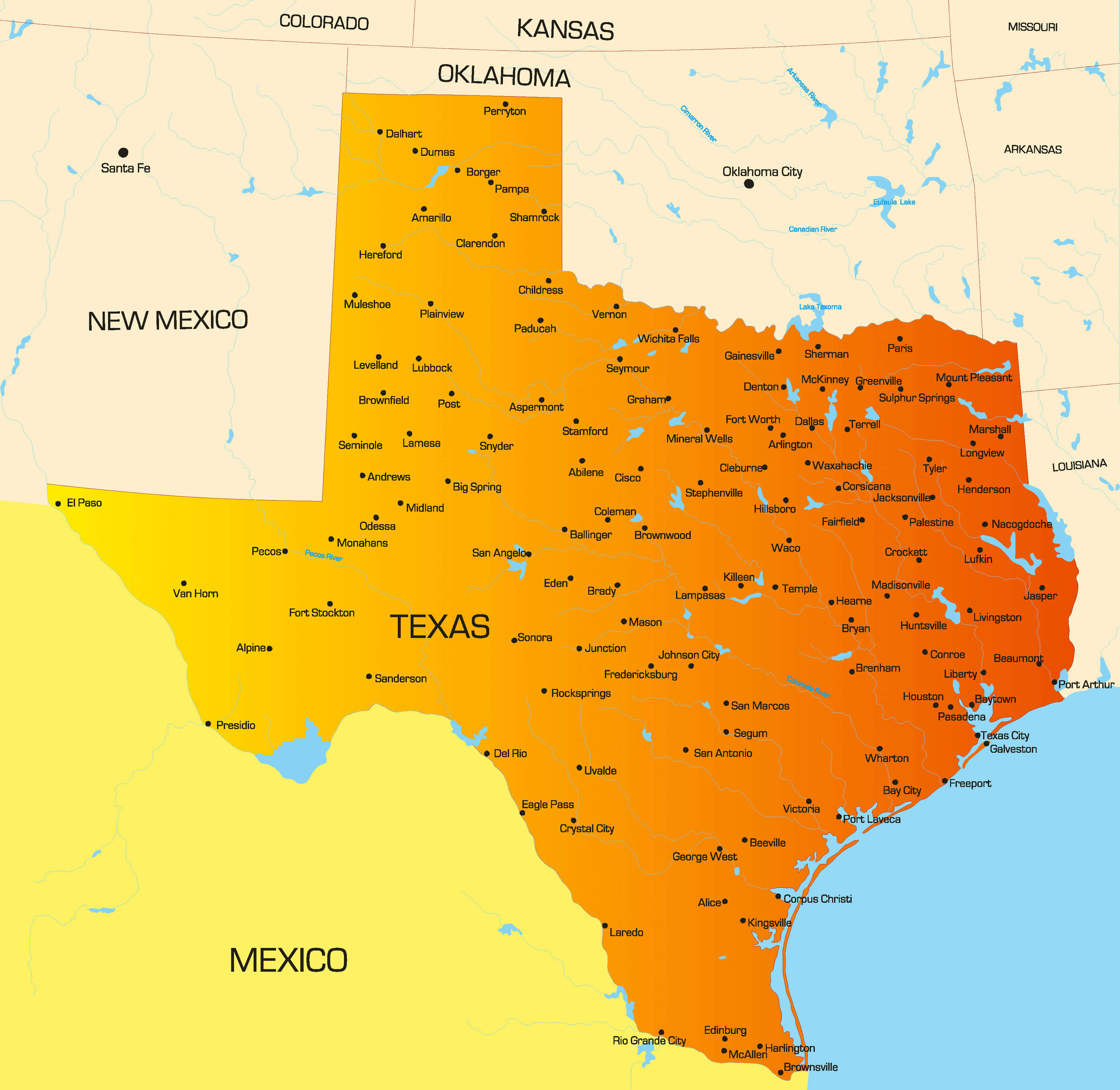
Driving from Texas to Miami spans roughly 1,200 to 1,400 miles depending on your exact starting point, making it one of the classic long-haul journeys across the American South. Whether you depart from Houston, Austin, or Dallas, this trans-Southern route blends deep-fried regional cuisine, coastal swampland, historic port cities, and the sun-drenched highways of Florida.
Instead of treating the drive as a mere endurance test, smart travelers break up the mileage over five to seven days. You'll move from the expansive plains of the Lone Star State straight into the cultural heartbeat of New Orleans before winding down toward the Atlantic coast.
Mapping the Route: Distance and Driving Time
The most efficient baseline for a Texas-to-Miami road trip starts in Houston, taking Interstate 10 East straight through Louisiana, Mississippi, and Alabama before dipping down into Florida.
- Total Distance from Houston: Approximately 1,200 miles.
- Total Distance from Dallas: Approximately 1,360 miles via I-20 and I-10.
- Minimum Driving Time: Around 18 to 20 hours of pure seat time without stops.
- Recommended Duration: 5 to 7 days to avoid driver fatigue and actually experience major stops.
Stage One: Leaving Texas and Crossing the Louisiana Bayou
Your journey begins on the upper Texas coast or central plains, pushing east past Beaumont and crossing the Sabine River into Louisiana. Additional reporting by AFAR delves into similar views on this issue.
Lafayette and Cajun Country
Your first major cultural shift happens as soon as you enter Louisiana. Lafayette serves as the capital of Cajun culture. Stop here for genuine crawfish étouffée, boudin sausages, and a walk through Acadian Village to understand the region's unique heritage.
New Orleans: The Crescent City Interlude
Roughly two hours past Lafayette sits New Orleans, easily the most vibrant urban stop on the entire route. Park the car for a full 24 to 48 hours. Walk through the French Quarter, listen to live brass bands on Royal Street, and grab beignets at Cafe du Monde.
- Driving Tip: Book a hotel with secure parking, as street parking in the French Quarter is notoriously difficult and break-ins happen.
- Local Insight: Skip the tourist traps on Bourbon Street after dark and head to Faubourg Marigny for authentic local jazz spots.
Stage Two: The Gulf Coast Stretch through Mississippi, Alabama, and the Florida Panhandle
Leaving Louisiana, you'll clip the southern edge of Mississippi and pass through coastal Alabama before hitting the Florida Panhandle.
The Mississippi Gulf Coast and Mobile, Alabama
Biloxi, Mississippi offers casinos and historic coastal homes if you want a quick stretch break. Just an hour further east is Mobile, Alabama. If you have a few hours to spare, tour the USS Alabama, a massive World War II battleship permanently docked in Mobile Bay.
Pensacola and the Emerald Coast
Once you cross into Florida, the landscape transforms instantly. The water turns an emerald green and the sand feels like powdered sugar. Pensacola Beach and nearby Destin offer great spots to grab fresh Gulf seafood. Walk along the historic Pensacola Lighthouse or explore the massive fortifications at Fort Pickens.
Stage Three: Down the Florida Peninsula to Miami
From the Panhandle, your route shifts south toward the major Florida highway arteries.
Choosing Your Path: Central Florida vs. Coastal Bypass
Near Tallahassee, you have a strategic choice to make:
- The Interior Route (I-75 South): Faster, taking you past Gainesville and down through Ocala toward Orlando or Tampa.
- The Coastal Route: Slower, weaving through smaller towns along the Atlantic side if you prefer a scenic ocean view.
Most travelers heading directly to Miami prefer merging onto Florida's Turnpike or Interstate 75 to bypass heavy local traffic. If you have kids or want a themed break, Orlando sits right along the interior path, offering world-class entertainment complexes.
South Florida Approach: West Palm Beach and Fort Lauderdale
As you cruise down the final stretch of the turnpike, you'll pass through West Palm Beach and Fort Lauderdale. Fort Lauderdale provides a slightly more relaxed alternative to Miami, featuring extensive canals and beach promenades.
Finally, you'll merge onto Interstate 95 South for the final push into downtown Miami or South Beach, marking the end of your Southern cross-country run.
Common Mistakes to Avoid
- Underestimating Louisiana Traffic: Crossing the Spillway Bridge or navigating Baton Rouge during rush hour can add an unexpected hour to your trip. Time your transit through major cities outside peak commute windows.
- Skipping Toll Prep: Florida's Turnpike relies heavily on electronic tolling. Rent a vehicle equipped with a SunPass or bring a portable transponder to avoid hefty rental car administrative fees.
- Rushing the Schedule: Trying to drive from Houston to Miami in two days turns a scenic adventure into an exhausting endurance test. Give yourself at least four distinct driving legs.
Frequently Asked Questions
What is the best time of year to drive from Texas to Miami?
Late autumn through early spring offers the most comfortable weather. Summer months along the Gulf Coast bring intense humidity, heavy afternoon thunderstorms, and the potential for tropical weather systems.
Do I need a passport for this road trip?
No. This is an entirely domestic route traveling through Texas, Louisiana, Mississippi, Alabama, and Florida. A valid state driver's license and vehicle registration are all you need.
Are there good electric vehicle charging options along I-10?
Yes. Major charging networks have built out robust infrastructure along the I-10 corridor, though rural stretches between Beaumont and Lafayette or through the Florida Panhandle require basic advance route planning using apps like PlugShare to avoid range anxiety.
Can I make this trip using public transit instead?
While long-distance buses and Amtrak routes exist between major hubs like Houston, New Orleans, and Miami, connections are indirect and time-consuming. Renting a car or driving your own vehicle provides the flexibility required to enjoy the coastal stops.


