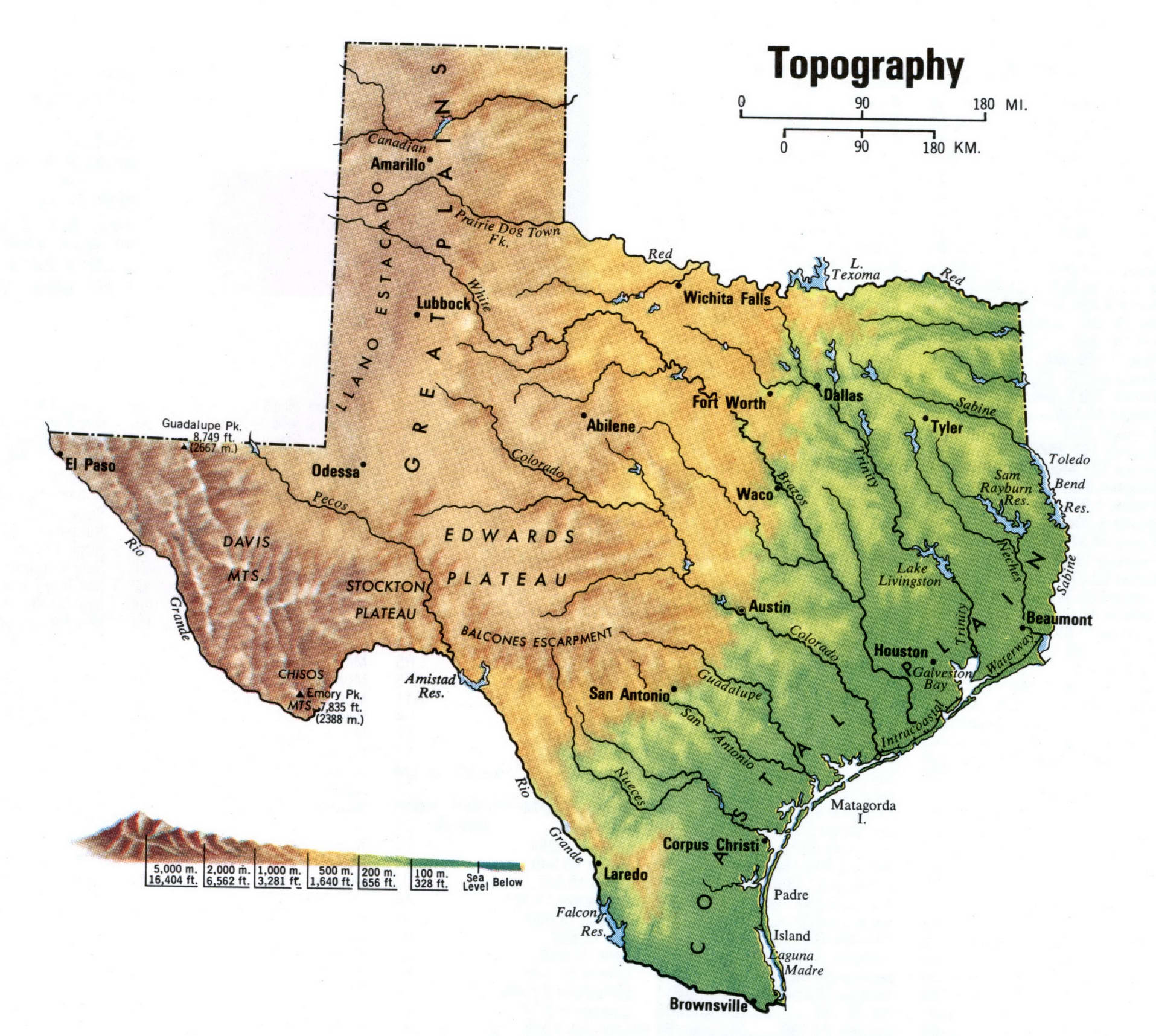
Navigating time zones in the Lone Star State sounds simple since most of it runs on a single clock, but the western edge throws a curveball. If you're scheduling a cross-state conference call, road-tripping past the Pecos River, or booking a flight into El Paso, knowing how time splits across the region keeps you from missing your connections.
The state is split primarily between two distinct regions: the vast majority operates on Central Time, while the far western corner operates on Mountain Time. This guide breaks down the exact counties, historical shifts, and practical impacts of Texas time zones so you can plan without second-guessing your watch.
The Two Time Zones of Texas
Texas spans two time zones: Central Standard Time (CST) and Mountain Standard Time (MST), alongside their respective daylight saving counterparts. Because the state is geographically massive, covering roughly 268,596 square miles, people often assume it spans three or four slices, much like neighboring states to the north. Instead, the boundary is hyper-localized to the far western tip.
Central Time Zone (The Vast Majority)
Roughly 95 percent of Texas lives in the Central Time Zone. This covers major metropolitan hubs like Houston, Dallas-Fort Worth, Austin, San Antonio, Corpus Christi, and Lubbock.
- Standard Time (CST): UTC-6
- Daylight Saving Time (CDT): UTC-5
Business hours, television broadcasts, and state government operations in Austin sync with this clock. If you're flying into major airports like Dallas/Fort Worth International (DFW) or George Bush Intercontinental (IAH), you're firmly in Central territory.
Mountain Time Zone (The Far West)
The Mountain Time Zone takes up a tiny sliver of West Texas. It sits one hour behind the rest of the state.
- Standard Time (MST): UTC-7
- Daylight Saving Time (MDT): UTC-6
This western pocket shares its time with neighboring New Mexico and cities like Las Cruces and Albuquerque, creating a distinct cultural and temporal boundary right inside state lines.
Which Counties Use Mountain Time?
You won't find Mountain Time anywhere near Midland, Odessa, or even the scenic expanses of Big Bend National Park. The Mountain Time border is restricted to two full counties and a tiny fraction of a third:
- El Paso County: Includes the city of El Paso, Horizon City, and the sprawling Fort Bliss military installation. Because El Paso sits directly on the border of New Mexico and Mexico (Ciudad Juárez), sharing a time zone with its immediate neighbors is essential for daily commerce.
- Hudspeth County: Located directly east of El Paso County, including towns like Dell City and Fort Hancock.
- Culberson County (Northwestern Portion): While most of Culberson County (including the county seat of Van Horn) observes Central Time, the extreme northwestern corner—including parts of the Guadalupe Mountains National Park—observes Mountain Time to align with nearby Carlsbad, New Mexico.
If you drive west on Interstate 10 past Van Horn, you will cross the unofficial mental boundary where local radio stations, cell phone towers, and gas station clocks snap back by an hour.
Daylight Saving Time Rules in Texas
Like most of the United States, Texas observes Daylight Saving Time (DST). Clocks spring forward by one hour on the second Sunday of March and fall back by one hour on the first Sunday of November.
This shift applies uniformly across both the Central and Mountain zones within the state. When the rest of the country adjusts its clocks, Texans do too, meaning the one-hour internal time gap between Austin and El Paso remains constant year-round.
- Practical impact: If it's noon in Houston in July (CDT), it's 11:00 AM in El Paso (MDT). If it's noon in Houston in January (CST), it's still 11:00 AM in El Paso (MST).
According to the National Institute of Standards and Technology, official timekeeping across these regions is managed seamlessly, but travelers driving across county lines on the morning of a time change must pay close attention to manual dashboard clocks that might not update automatically.
Common Mistakes to Avoid
Misunderstanding Texas time zones usually happens during cross-state travel or remote scheduling. Keep these pitfalls in mind:
- Assuming West Texas is Mountain Time: Travelers frequently think that once they pass San Angelo or Abilene, they've entered Mountain Time. In reality, you have hundreds of miles of driving left through the Central zone before hitting El Paso County.
- Ignoring Flight Connections: If you book a flight from Houston to El Paso, your ticket shows local times, but a layover or regional bus connection can easily confuse travelers who forget the one-hour subtraction.
- Ignoring Local Business Hours Near the Border: Businesses in Hudspeth or El Paso counties frequently interact with clients in Central Texas. If you're setting a deadline for 5:00 PM Central Time, remember that your partner in El Paso has until 5:00 PM Mountain Time—giving them an extra hour relative to your clock.
For official references on national time zones and legal definitions, check the U.S. Department of Transportation, which oversees official time zone boundaries across the country.
Frequently Asked Questions
Does all of El Paso County observe Mountain Time?
Yes. Every municipality, neighborhood, and military base within El Paso County—including Anthony, Clint, and Socorro—operates on Mountain Time.
Why doesn't the rest of West Texas use Mountain Time?
Time zone boundaries are established based on commerce, transportation patterns, and petitions to the federal government. Cities like Midland and Odessa have tighter economic ties to Dallas and Houston than to Albuquerque or Phoenix, keeping them anchored to Central Time.
Do Texas counties ever try to switch time zones?
While occasional local debates pop up among border communities wanting to sync up with business partners in other states, changing a time zone requires approval from the U.S. Secretary of Transportation, making shifts rare.
How does the time change affect Amtrak travel through Texas?
The Sunset Limited, Amtrak's long-distance train running from New Orleans through Houston, San Antonio, and on to El Paso, crosses the time zone boundary near the Hudspeth-Culberson county line. Onboard schedules adjust to local station times, so passengers must check their itineraries carefully.


