Understanding Texas time requires looking past a simple clock face and examining a massive geographic footprint split across two distinct time zones. While most of the Lone Star State operates on Central Time, the western edge runs on Mountain Time, creating unique operational dynamics for business, travel, and daily culture. This structural division influences everything from morning commutes in Houston to late-afternoon cattle movements in El Paso.
Operating across multiple zones means that everyday coordination within state borders demands deliberate attention. Whether you're scheduling a freight shipment from Dallas to the border or managing statewide remote teams, knowing how these temporal boundaries function prevents costly scheduling errors.
The Dual-Zone Reality of Texas
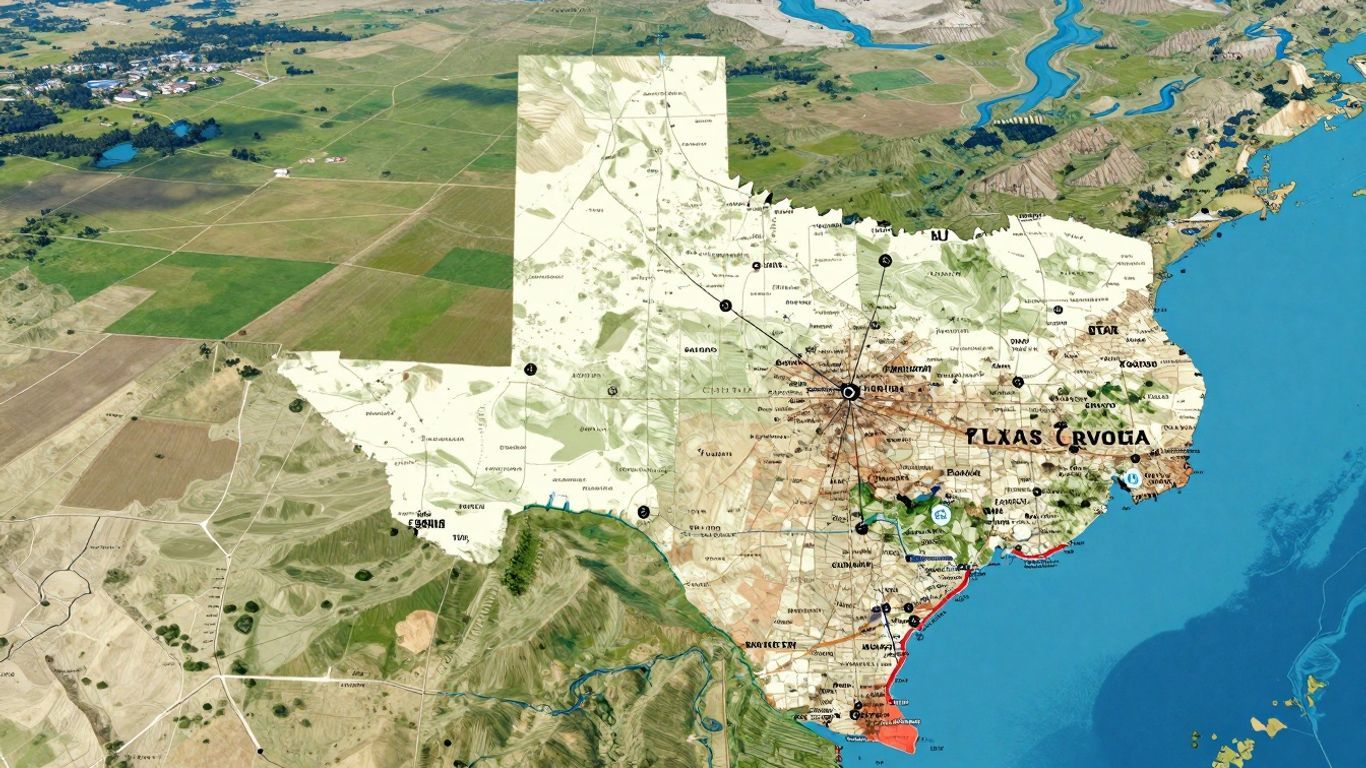
Texas is far too large for a single time standard. The vast majority of its 254 counties follow Central Time (CT), encompassing major economic engines like Austin, Houston, Dallas, San Antonio, and Fort Worth. However, the far western corner—primarily El Paso and Hudspeth counties, along with parts of Culberson County—operates on Mountain Time (MT).
- Central Time Zone: Covers roughly 95% of the state's landmass and population, driving standard business hours, stock exchanges, and state government operations in Austin.
- Mountain Time Zone: Keeps the extreme western tip synchronized with neighboring New Mexico and Ciudad Juárez, sitting one hour behind the rest of the state.
This split creates an internal time gap. During the workweek, a logistics coordinator in San Antonio communicating with a warehouse in El Paso must factor in that one-hour difference, altering delivery estimates and conference call windows.
Daylight Saving Time and Seasonal Shifts
Like most of the United States, Texas observes Daylight Saving Time (DST), shifting clocks forward in March and back in November. This transition impacts both Central and Mountain zones simultaneously, preserving the one-hour internal offset while altering how sunlight interacts with daily routines.
In urban centers, the spring forward brings long, sunlit summer evenings that stretch outdoor dining and community events past 8:30 PM. In rural agricultural regions, however, the clock shift forces farmers and ranchers to recalibrate early morning livestock handling against artificial markers rather than natural sunrise. While legislative proposals frequently surface to abolish clock changes, Texas remains bound to the federal schedule governed by the U.S. Department of Transportation.
How Clocks Shape Regional Rhythms and Culture
Timekeeping in Texas reflects a blend of industrial efficiency and regional heritage. The state's temporal framework grew out of the 19th-century railroad expansion, which replaced hundreds of localized solar times with standardized zones to prevent scheduling collisions. Today, that legacy manifests in distinct cultural cadences across different regions.
- The Urban Rush: In metropolitan areas like the Dallas-Fort Worth Metroplex, corporate schedules dictate high-density commuting windows, tightly managed logistics hubs, and fast-paced professional services that mirror national financial markets.
- The Rural Pace: In West Texas and the Panhandle, daily routines often stay tethered to daylight availability. Agricultural production, oilfield shifts, and local commerce frequently start before dawn, prioritizing seasonal productivity over strict clock compliance.
- Border Dynamics: Along the Rio Grande, cultural rhythms blend across time zones. Daily cross-border commerce between El Paso and Mexico requires constant adaptation to synchronized trading hours and international transport schedules.
Common Scheduling Mistakes to Avoid
Managing appointments across Texas's internal boundary line leads to predictable pitfalls for travelers and businesses alike.
- Assuming Statewide Uniformity: Travelers driving west on Interstate 10 often forget that they will cross into Mountain Time near the Guadalupe Mountains, missing appointments if they don't manually update their schedules.
- Ignoring Digital Calendar Auto-Updates: While smartphones typically adjust zones automatically based on cell towers, older digital equipment or manual calendar entries can trap meetings in the wrong hour during transit.
- Overlooking Broadcast Delays: Statewide media broadcasts and live event streams must account for simultaneous viewing across different time zones, shifting prime-time slots for viewers in El Paso compared to Houston.
You can check official offset definitions and historical boundary adjustments through the National Institute of Standards and Technology, which maintains baseline precision standards for American timekeeping.
Frequently Asked Questions
What time zones are used in Texas?
Texas uses two primary time zones: Central Time (covering the vast majority of the state, including Houston, Dallas, and Austin) and Mountain Time (covering El Paso, Hudspeth County, and parts of Culberson County).
Does all of Texas observe Daylight Saving Time?
Yes, the entire state of Texas observes Daylight Saving Time, shifting clocks forward in the spring and backward in the fall in accordance with federal guidelines.
What is the time difference between Houston and El Paso?
El Paso is always one hour behind Houston. When it's 3:00 PM in Houston, it is 2:00 PM in El Paso, regardless of the season.
When did Texas officially adopt standardized time zones?
Standardized time zones were initially introduced by major railroads in 1883 to streamline scheduling and prevent transit conflicts, with subsequent federal and state legislation formalizing these boundaries over the following decades.


