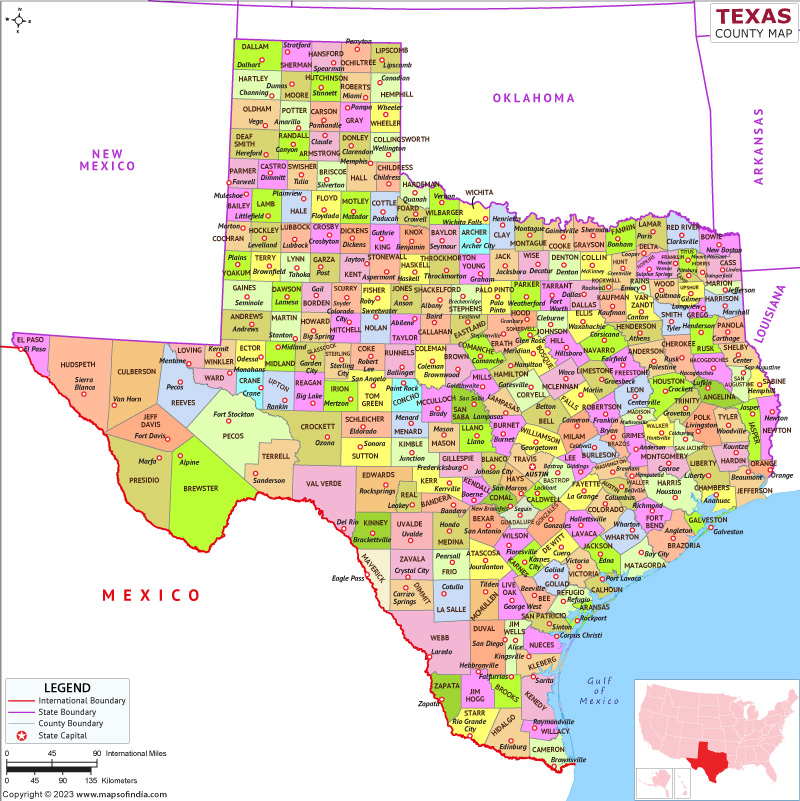
Managing time across the second-largest state in the United States requires balancing two distinct time zones, sprawling logistics, and a heavy industrial pulse. Texas operates primarily on Central Time, yet its westernmost edge sits squarely in the Mountain Time zone. This dual-zone reality influences everything from daily oil field shifts in the Permian Basin to financial trading floors in Dallas and tech corridors in Austin.
Understanding how temporal divisions function across the Lone Star State clarifies why logistical coordination, energy grids, and regional commerce operate the way they do. Far from being a simple administrative line, time in Texas is shaped by vast geography, economic demands, and historical settlement patterns.
The Dual Time Zone Geography of Texas
The vast majority of Texas residents live and work within the Central Time Zone (CT). This includes major metropolitan areas like Houston, San Antonio, Dallas, Fort Worth, and Austin. Central Time keeps these economic engines synchronized with the Midwest, the Gulf Coast, and major financial centers across the United States.
However, a distinct shift occurs west of the Pecos River. El Paso County and parts of Hudspeth County observe Mountain Time (MT). This single-hour difference creates unique operational dynamics for state governance, cross-border commerce with Mexico, and daily commuting.
- Central Time Zone: Encompasses roughly 95 percent of the state's population, covering commercial hubs, agricultural plains, and East Texas timberlands.
- Mountain Time Zone: Covers the far western tip, aligning El Paso closer with New Mexico, Ciudad Juárez, and Mountain West markets.
This geographic split means state agencies, school districts, and transport networks must account for the sixty-minute gap daily. Logistics firms moving freight from Beaumont to El Paso cross an internal temporal boundary that impacts driver hours of service and delivery schedules.
Historical Evolution of Texas Time Standards
Before standardized time zones were established, every Texas town kept its own local solar time based on the local position of the sun. Noon in Fort Worth differed by several minutes from noon in Marshall or San Antonio. As railroads expanded across the state following the Civil War, this lack of uniformity caused widespread scheduling chaos and safety hazards on single-track lines.
In 1883, American and Canadian railroads unilaterally adopted standard time zones to streamline operations. Communities gradually transitioned away from solar time, though local resistance persisted for years.
The federal Standard Time Act of 1918 officially codified these zones into law, placing most of Texas in the Central zone. Subsequent adjustments moved El Paso into the Mountain zone to better align trade and communication links with neighboring New Mexico and the Paso del Norte economic region. You can review official federal boundaries and regulations through the National Institute of Standards and Technology.
Economic Impact on Key Texas Industries
Timekeeping structures directly influence productivity and operational efficiency across Texas's dominant economic sectors.
Energy Markets and Grid Synchronization
The Texas energy sector operates under tight temporal constraints. The Electric Reliability Council of Texas (ERCOT) manages the state's power grid, balancing electricity supply and demand in real time. Because electricity must be generated the exact moment it's consumed, grid operators monitor loads using synchronized clocks.
When peak summer temperatures drive up air conditioning use across Houston and Dallas, power plants ramp up generation on precise Central Time schedules. Meanwhile, oil and gas extraction sites in the western counties operate on continuous 24-hour shift rotations that bridge both time zones, requiring careful handoffs between Central and Mountain operations.
Agriculture and Logistics
Agricultural operations rely heavily on natural daylight rather than clock time, yet they must interface with modern supply chains. Farmers in the panhandle and the Rio Grande Valley coordinate harvest windows with processing plants and transport hubs that function strictly on Central Time deadlines. Freight carriers moving goods along Interstate 10 must factor in the time change at the western edge of the state, ensuring truck drivers comply with federal hours-of-service regulations without missing delivery windows.
Daylight Saving Time Controversies and Adaptation
Texas participates in Daylight Saving Time (DST), moving clocks forward one hour in March and back one hour in November. This biannual shift affects businesses and residents differently depending on their location and industry.
- Urban Tech and Commerce: Centers like Austin and Dallas experience minimal disruption, often using the evening sunlight to boost retail and hospitality foot traffic.
- Western Agriculture: Farmers and ranchers near El Paso often find DST misaligned with traditional agricultural labor patterns, which historically depend on morning temperatures and sunrise.
Efforts to abolish or permanently alter DST surface regularly in the Texas Legislature. Proponents of permanent standard time or permanent daylight saving time argue that eliminating the biannual switch would improve public health, reduce traffic accidents, and simplify commercial planning. However, any widespread change requires federal legislative approval or regional coordination to avoid isolating Texas businesses from national markets.
Frequently Asked Questions
What parts of Texas are in the Mountain Time Zone?
Only the far western corner of the state observes Mountain Time. This includes all of El Paso County and parts of Hudspeth County, including cities like El Paso and Dell City.
Why does El Paso use a different time zone than Houston?
El Paso is geographically closer to New Mexico and shares deep economic, cultural, and logistical ties with Ciudad Juárez and the Mountain West. Aligning with Mountain Time facilitates cross-border trade and regional communication.
Do all counties in Texas observe Daylight Saving Time?
Yes, the entire state of Texas observes Daylight Saving Time, matching the federal schedule established by the Department of Transportation.
How does the time zone split affect state government operations?
State agencies headquartered in Austin operate on Central Time, meaning offices handling statewide administration close one hour earlier relative to local time for residents in El Paso. State workers in the western tip adapt their schedules to ensure seamless public service delivery across both zones.



