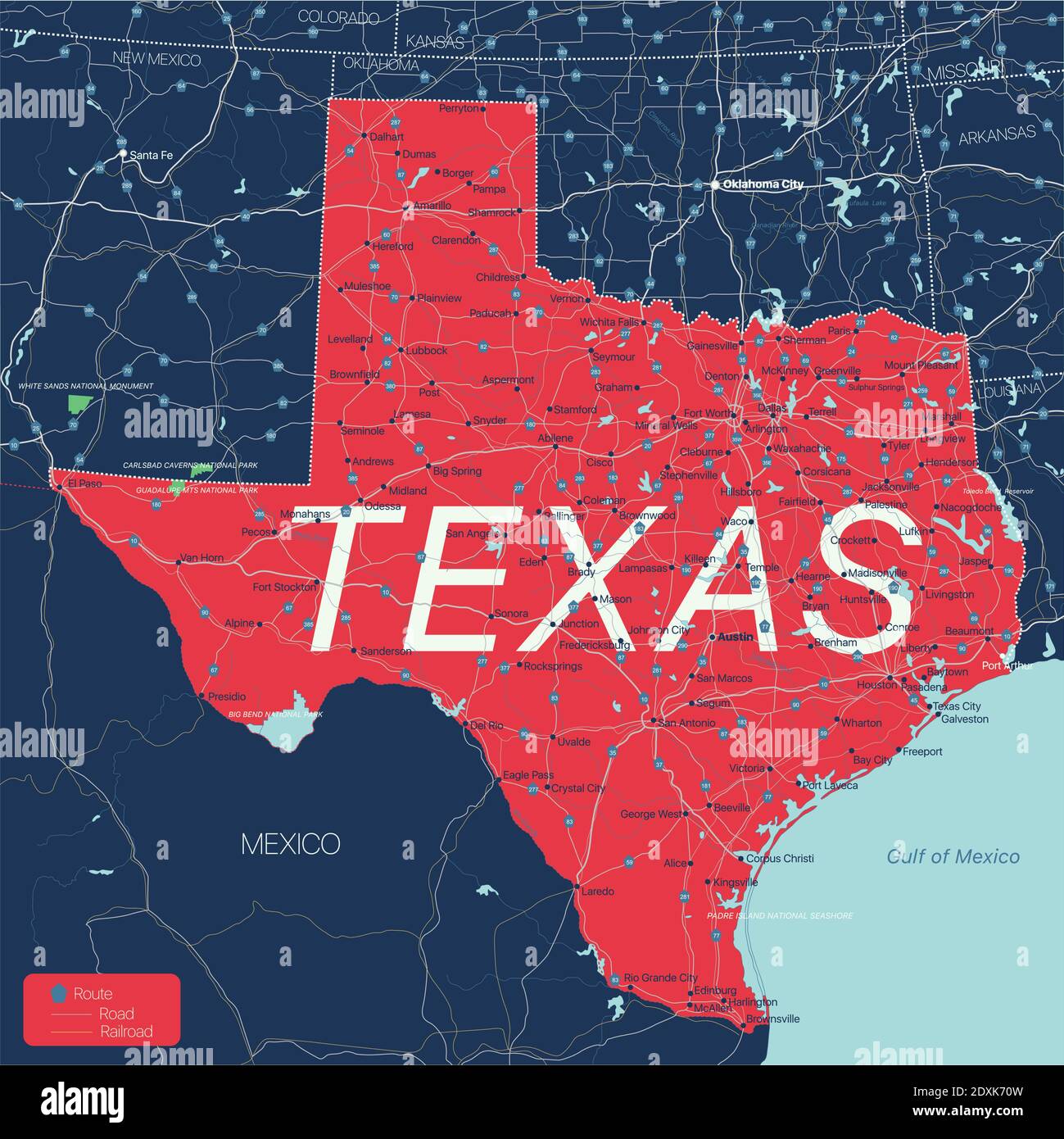
Navigating time zones across the second-largest state in the country can get confusing quickly. While most people assume the Lone Star State runs on a single schedule, it actually spans two distinct regional time zones. Understanding how these zones split helps you avoid missed calls, late flights, and scheduling errors across major hubs.
Texas is split primarily between the Central Time Zone and the Mountain Time Zone. Roughly ninety-nine percent of the state operates on Central Time, covering major metropolitan areas like Houston, Dallas, Austin, San Antonio, and El Paso's opposite extreme out west, which anchors the Mountain Time Zone. Both zones observe Daylight Saving Time, shifting clocks forward in spring and backward in fall, which keeps the one-hour internal gap consistent year-round.
The Central Time Zone Majority
The vast majority of Texas cities operate on Central Time (CT). This zone spans from the Sabine River in the east all the way out to the rolling plains of West Texas, stopping just short of the far western desert.
When you look at major population and economic centers, they sit firmly within this footprint. Houston, Dallas-Fort Worth, Austin, San Antonio, Corpus Christi, Lubbock, Amarillo, and Brownsville all share the exact same local time. In the winter months, this area runs on Central Standard Time (CST), sitting six hours behind Coordinated Universal Time (UTC-6). From mid-March to early November, clocks shift to Central Daylight Time (CDT), moving to UTC-5. Experts at Bloomberg have provided expertise on this situation.
Business hours, flight schedules, and television broadcasts across these regions synchronize seamlessly because no internal county-level exceptions exist here anymore. If you're calling from Dallas to Corpus Christi, clocks match down to the second.
The Mountain Time Zone Outlier
Only a tiny fraction of the state operates outside the Central zone. The Mountain Time Zone in Texas is restricted to the far western corner of the state.
El Paso and Hudspeth counties, along with a small portion of northern Culberson County, observe Mountain Time. El Paso stands out as the largest city in Texas operating on this schedule. Residents and businesses there live one hour behind friends in San Antonio or Austin.
During the winter, this region uses Mountain Standard Time (MST) at UTC-7. In the summer, they switch to Mountain Daylight Time (MDT) at UTC-6. This alignment places El Paso on the same time as neighboring New Mexico cities like Las Cruces and Albuquerque rather than sharing time with fellow Texans just a few hundred miles east.
Border Oddities and Unique Local Quirks
Time zone boundaries rarely follow clean straight lines, and Texas is no exception. A few localized quirks complicate travel near the western edge of the state.
Take Culberson County as a prime example. While the majority of the county and its county seat, Van Horn, officially observe Central Time, parts of the northwest territory near Guadalupe Mountains National Park lean informally or functionally toward Mountain Time due to heavy ties with El Paso. Travelers driving through remote West Texas highways need to pay close attention to cellular network updates, which can automatically shift device clocks back and forth when crossing invisible county lines.
Another historical note involves the Texas Panhandle. A century ago, portions of the Panhandle briefly experimented with Mountain Time before standardizing back into the Central zone. Modern commercial integration firmly locked the Panhandle into Central Time, ensuring Amarillo and Lubbock align with Dallas-Fort Worth rather than Denver.
How Daylight Saving Time Affects Texas
Texas observes Daylight Saving Time (DST) statewide. This means both the Central and Mountain regions spring forward and fall back simultaneously.
The transition happens at 2:00 AM local time on the second Sunday in March, when clocks jump ahead one hour. On the first Sunday in November, clocks drop back an hour at 2:00 AM local time. Because both time zones within Texas shift on the exact same dates, the one-hour internal time difference between El Paso and Houston remains locked in year-round, regardless of the season.
If you want to track official federal guidelines on these shifts, the U.S. Department of Transportation maintains regulatory oversight over all official time zone boundaries in the country. For real-time clock verification across any specific global coordinate, the World Clock provides reliable live offsets.
Frequently Asked Questions
Does all of Texas share the same time zone?
No. While most of Texas is in the Central Time Zone, the far western part of the state—including El Paso and Hudspeth counties—is in the Mountain Time Zone.
What is the time difference between Houston and El Paso?
El Paso is always one hour behind Houston. When it is 12:00 PM noon in Houston, it is 11:00 AM in El Paso.
Does Texas observe Daylight Saving Time?
Yes, the entire state of Texas observes Daylight Saving Time, shifting clocks forward in March and backward in November.
Why does El Paso use Mountain Time?
El Paso shares closer geographic, economic, and cultural ties with New Mexico and cities like Juarez, Mexico, making Mountain Time a more practical fit than Central Time for the far western edge of the state.



