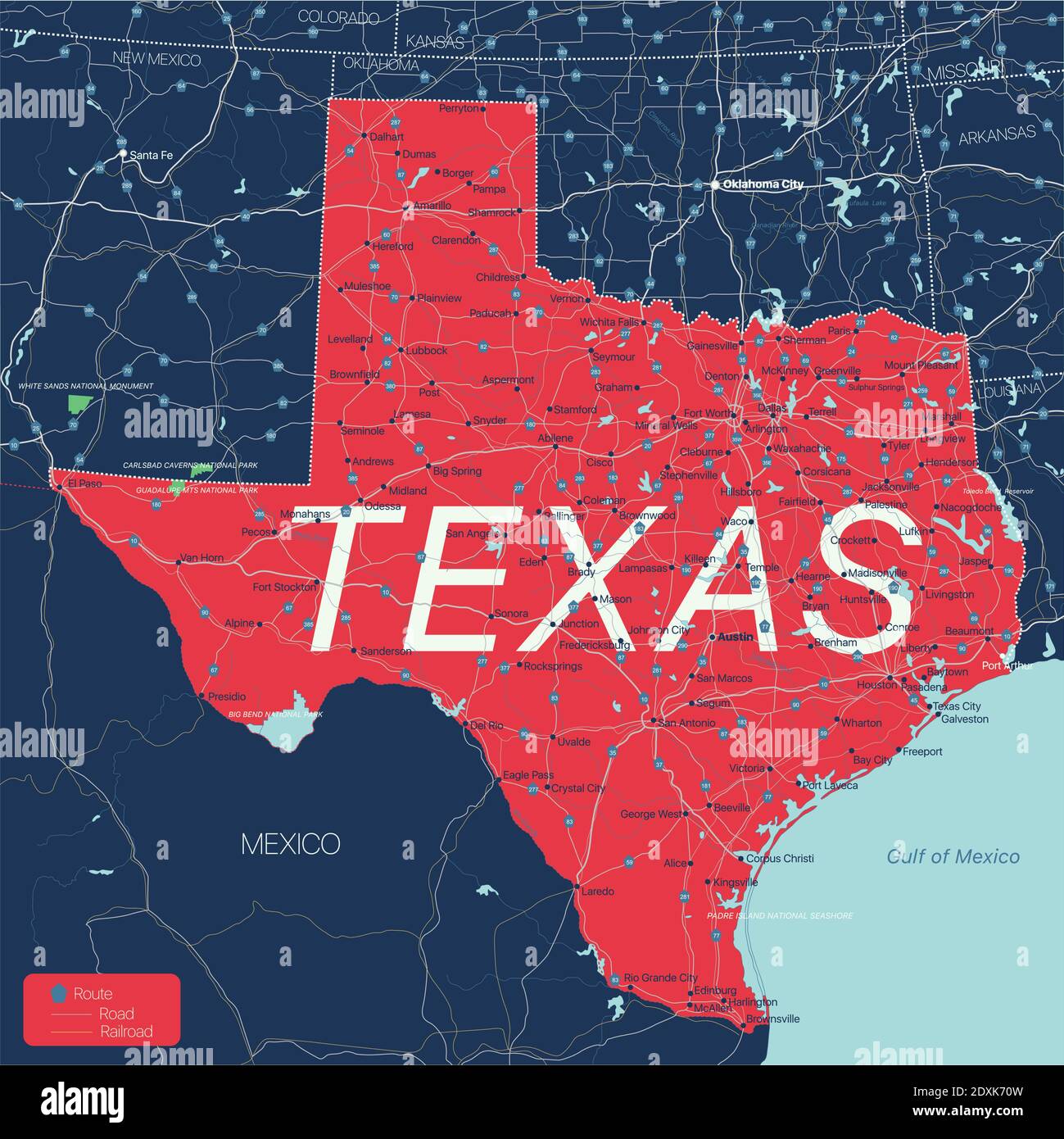
Most of Texas operates on the Central Time Zone, but the state isn't bound by a single clock. If you drive west past the Pecos River toward New Mexico, you'll cross an internal boundary that shifts your watch back by an entire hour. Navigating time in the Lone Star State means understanding why a massive geographic region splits across two zones and how federal mandates for Daylight Saving Time affect millions of residents, businesses, and cross-border commuters.
The vast majority of Texas—including major metropolitan hubs like Houston, Dallas, Austin, and San Antonio—observes Central Standard Time (CST) and Central Daylight Time (CDT). However, the far western edge of the state follows Mountain Standard Time (MST) and Mountain Daylight Time (MDT). This geographic quirk creates unique operational challenges for logistics companies, state government agencies, and residents who live in one time zone and work in another.
Why Texas Is Split Across Two Time Zones
Time zones aren't just drawn by strict lines of longitude; they often bend to accommodate trade routes, community ties, and economic convenience. While Texas spans roughly 800 miles from east to west, historical and commercial ties dictated its division.
The primary exception to the state's Central Time dominance is found in the far western corner. El Paso County, Hudspeth County, and a small northwestern segment of Culberson County (near Guadalupe Mountains National Park) operate on Mountain Time. Further details regarding the matter are covered by Associated Press.
- Economic Alignment: El Paso is geographically isolated from the rest of Texas. It sits closer to Phoenix, Albuquerque, and Los Angeles than it does to Dallas or Houston. Aligning with Mountain Time keeps local commerce synchronized with neighboring New Mexico and nearby business partners in Mexico and the American Southwest.
- Cross-Border Commutes: Thousands of residents work at regional installations like Fort Bliss or commute across municipal boundaries. Keeping El Paso on Mountain Time prevents severe daily scheduling mismatches with adjacent economic zones.
Interestingly, Ciudad Juárez, Mexico—El Paso's immediate neighbor across the Rio Grande—has experienced various shifts regarding Daylight Saving policies over the years, occasionally creating a unique one-hour temporal gap between two cities that share a continuous metropolitan street grid.
How Texas Navigates Daylight Saving Time
Like most of the United States, Texas observes Daylight Saving Time (DST). Clocks spring forward by one hour on the second Sunday in March and fall back by one hour on the first Sunday in November. Because both the Central and Mountain zones in Texas observe DST, the one-hour internal gap between Austin and El Paso remains constant year-round.
The transition requires careful coordination for transportation hubs like the Dallas/Fort Worth International Airport (DFW) and George Bush Intercontinental Airport (IAH) in Houston, which manage thousands of connecting flights daily across multiple national time zones. State agencies, school districts, and utility providers must also program automated systems twice a year to handle the shift smoothly.
Despite federal uniformity, the bi-annual clock change sparks recurring legislative debates. Texas lawmakers have repeatedly introduced bills and constitutional amendments aiming to abolish the twice-yearly switch—proposing to stay permanently on either Standard Time or Daylight Saving Time. However, under federal law, states cannot unilaterally adopt year-round Daylight Saving Time without congressional authorization, leaving Texas bound to the current seasonal shift.
Practical Impacts for Travelers and Businesses
Managing schedules across the Texas time split requires precision. If you schedule a virtual conference call between a team in Dallas (Central) and an office in El Paso (Mountain), you're dealing with a domestic time difference within the same state border.
- Logistics and Trucking: Freight carriers moving goods from the Port of Houston to distribution centers in West Texas must account for the hour shift to maintain accurate electronic logging device (ELD) records.
- Broadcasting and Media: Live television broadcasts and sports programming across the state must manage simultaneous feeds or delayed airing schedules to accommodate viewers in the Mountain Time enclave.
- State Administration: State government offices in Austin operate on Central Time, meaning offices in El Paso open an hour later relative to state headquarters, impacting state-level customer service hours.
For official regulatory definitions of these boundaries, you can review the guidelines maintained by the Department of Transportation regarding official U.S. time zone limits. For broad geographic mapping details, the U.S. Geological Survey provides comprehensive regional mapping resources.
Frequently Asked Questions
What major Texas cities are in the Mountain Time Zone?
El Paso is the only major city in Texas that observes Mountain Time. Smaller communities like Fort Hancock and Dell City also follow Mountain Time due to their location in Hudspeth and western Culberson counties.
Do all parts of Texas observe Daylight Saving Time?
Yes. Every county in Texas—across both the Central and Mountain zones—observes Daylight Saving Time, moving clocks forward in March and backward in November.
Why doesn't El Paso use Central Time like the rest of Texas?
El Paso uses Mountain Time because of its geographic isolation from the rest of the state. Its primary economic and cultural ties connect with New Mexico, Arizona, and neighboring cross-border regions that operate on Mountain Time.
Has Texas tried to abolish Daylight Saving Time?
Texas legislators have introduced multiple bills and resolutions over the years to opt out of the seasonal clock changes or adopt year-round Daylight Saving Time. None have successfully passed into law due to federal restrictions governing time zone standardization.



