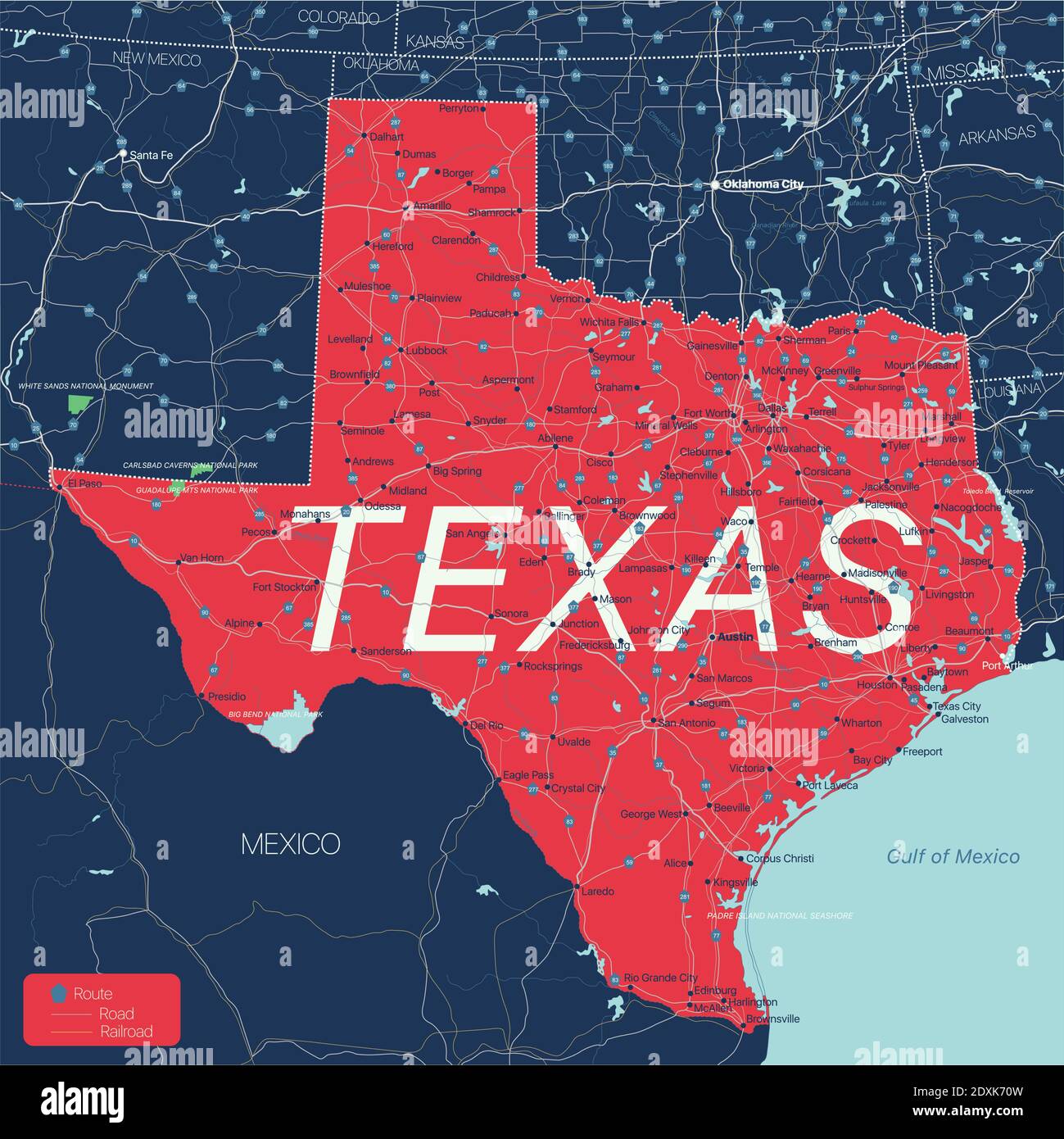
Most people assume that everything in the Lone Star State operates on a single clock. They picture massive ranch hands, corporate boardrooms in Dallas, and tech hubs in Austin all ticking away in perfect sync. Yet, reality proves more complex. While the vast majority of Texas runs on Central Time, a distinct western wedge operates entirely on Mountain Time. Crossing from one region to the other shifts your watch by an hour without crossing a state line.
This geographic quirk impacts daily life, logistics, and business operations more than casual visitors realize. Managing schedules across the Texas time zone split requires careful attention, especially when coordinating meetings between major economic centers like Houston and remote border outposts like El Paso.
The Geographic Divide: Central Versus Mountain Time
Texas spans two separate time zones, creating a rare intra-state scheduling gap. Central Standard Time (CST) and Central Daylight Time (CDT) govern roughly 252 of the state's 254 counties. This massive footprint covers economic powerhouses such as Houston, Dallas-Fort Worth, Austin, San Antonio, San Angelo, and the Panhandle cities of Lubbock and Amarillo.
Meanwhile, the far western edge of the state breaks away. El Paso County and Hudspeth County operate entirely on Mountain Standard Time (MST) and Mountain Daylight Time (MDT). Portions of Culberson County, particularly around Guadalupe Mountains National Park, also lean toward Mountain Time due to geographic isolation and proximity to New Mexico.
The legal boundary is defined under federal regulations through Code of Federal Regulations Title 49. The line tracks the eastern edge of Hudspeth County straight down to the Mexican border. Because of this, anyone driving west on Interstate 10 from San Antonio or Fort Stockton encounters a subtle shift. Passing through the arid expanses of West Texas brings you into a different hour long before you hit the New Mexico state line.
Why Does West Texas Use Mountain Time?
Historical precedent and economic alignment dictate this split. El Paso shares a massive cross-border metropolitan region with Ciudad Juárez, Mexico, and sits directly adjacent to New Mexico. Historically, transportation, trade, and communication lines tied El Paso closer to Albuquerque, Denver, and Chihuahua than to distant state capitals like Austin or commercial hubs like Houston.
Back in the early twentieth century, the federal government adjusted time zone borders repeatedly to accommodate railway schedules. For a brief period between 1919 and 1921, parts of the Texas Panhandle even shifted to Mountain Time before returning to Central Time. When the Uniform Time Act of 1966 standardized daylight saving practices nationwide, El Paso officials and local chambers of commerce successfully fought to remain aligned with Mountain Time. Aligning with their immediate neighbors made far more sense for commerce and daily commuting than adopting the time zone of a city seven hundred miles away.
Business and Logistics Complications Within the State
Operating across two time zones within a single state creates friction for corporate logistics, trucking dispatchers, and remote teams. A company headquartered in Dallas scheduling a live webinar or a freight delivery for a client in El Paso must factor in the one-hour difference.
For commercial shipping, mixing up these hours causes missed dock windows. Freight carriers moving goods from the Port of Houston to distribution hubs in El Paso cross an internal time boundary that alters estimated arrival windows. Warehouse managers don't always account for the shift when planning same-state transit times, leading to driver wait times and scheduling penalties.
Financial institutions and state agencies also face unique hurdles. State government offices in Austin operate on Central Time, meaning offices in El Paso close their public counters an hour later relative to Austin's clock. Citizens filing paperwork or businesses dealing with state regulations near the border must calculate deadlines based on Central Time, even if local wristwatches read differently.
Navigating Border Life and Daily Commutes
For residents living near the boundary line, the time zone split influences routine errands. People living in Hudspeth County or working across the Culberson County line frequently interact with businesses in both zones.
A unique quirk occurs at Guadalupe Mountains National Park. Because cell towers frequently bounce signals from towers located further east in Central Time territory, mobile phones often fail to update automatically. Visitors frequently arrive at park headquarters late or miss scheduled trail hikes because their digital devices display conflicting times. Park rangers routinely advise tourists to manually lock their smartphone settings to Mountain Time when entering the park boundaries.
Across the international border, the relationship with Mexico adds another layer of complexity. Ciudad Juárez sits directly across the Rio Grande from El Paso. Historically, both cities synchronized their clocks year-round. However, changes to Mexico's daylight saving time laws mean that parts of Mexico no longer observe seasonal clock changes the same way U.S. states do. Cross-border workers and international manufacturers must track seasonal shifts carefully to prevent costly arrival errors at international bridges.
Common Mistakes to Avoid When Scheduling Across Texas
- Assuming statewide uniformity: Never book an internal Texas flight, meeting, or freight drop-off assuming all cities share a clock. Always confirm whether the destination is Dallas or El Paso.
- Trusting automatic cell tower updates near boundaries: Rural areas near the Hudspeth-Culberson county line often experience signal bleed from Central Time towers, throwing off alarms and calendar alerts.
- Confusing state government deadlines: Official state filings submitted online or to Austin agencies default to Central Time, catching border-region businesses off guard.
- Neglecting cross-border Mexican time shifts: International logistics between El Paso and Mexican manufacturing zones require monitoring separate policy changes regarding seasonal time adjustments.
Frequently Asked Questions
What major Texas cities are in the Mountain Time Zone?
El Paso is the only major metropolitan center in Texas that observes Mountain Time. Smaller towns within El Paso and Hudspeth counties, such as Clint, Horizon City, and Sierra Blanca, also follow Mountain Time.
Does the Texas Panhandle use Mountain Time?
No. While the Panhandle sits far to the west geographically, cities like Amarillo and Lubbock operate entirely on Central Time. The Panhandle briefly experimented with Mountain Time a century ago, but it has remained on Central Time for decades.
How do I avoid scheduling errors when traveling across Texas?
Set your smartphone's time zone settings to manual if you are traveling through remote West Texas, or double-check calendar event locations against local city time zones before departure. Keeping track of the National Institute of Standards and Technology official time standards helps prevent mix-ups.
Do Texas lawmakers want to abolish the time zone split?
No serious legislative efforts aim to eliminate the split. The arrangement accommodates local economic ties between El Paso and New Mexico, ensuring smooth cross-border commerce that a forced shift to Central Time would disrupt.


