Living in Texas means moving to a distinct pulse shaped by massive geographic scales, dual time zones, and a culture that blends Southern warmth with western independence. Daily routines across the Lone Star State operate differently than in dense coastal enclaves, balancing wide-open spaces with bustling urban centers like Houston, Dallas, and Austin.
The rhythm of life here is anchored by the Central Time Zone for the vast majority of the population, though a small pocket in West Texas observes Mountain Time. This time zone split is just the surface of how the state dictates its own pace, from early-rising agricultural roots to late-night urban food and music scenes.
The Dual Time Zones and Regional Pace
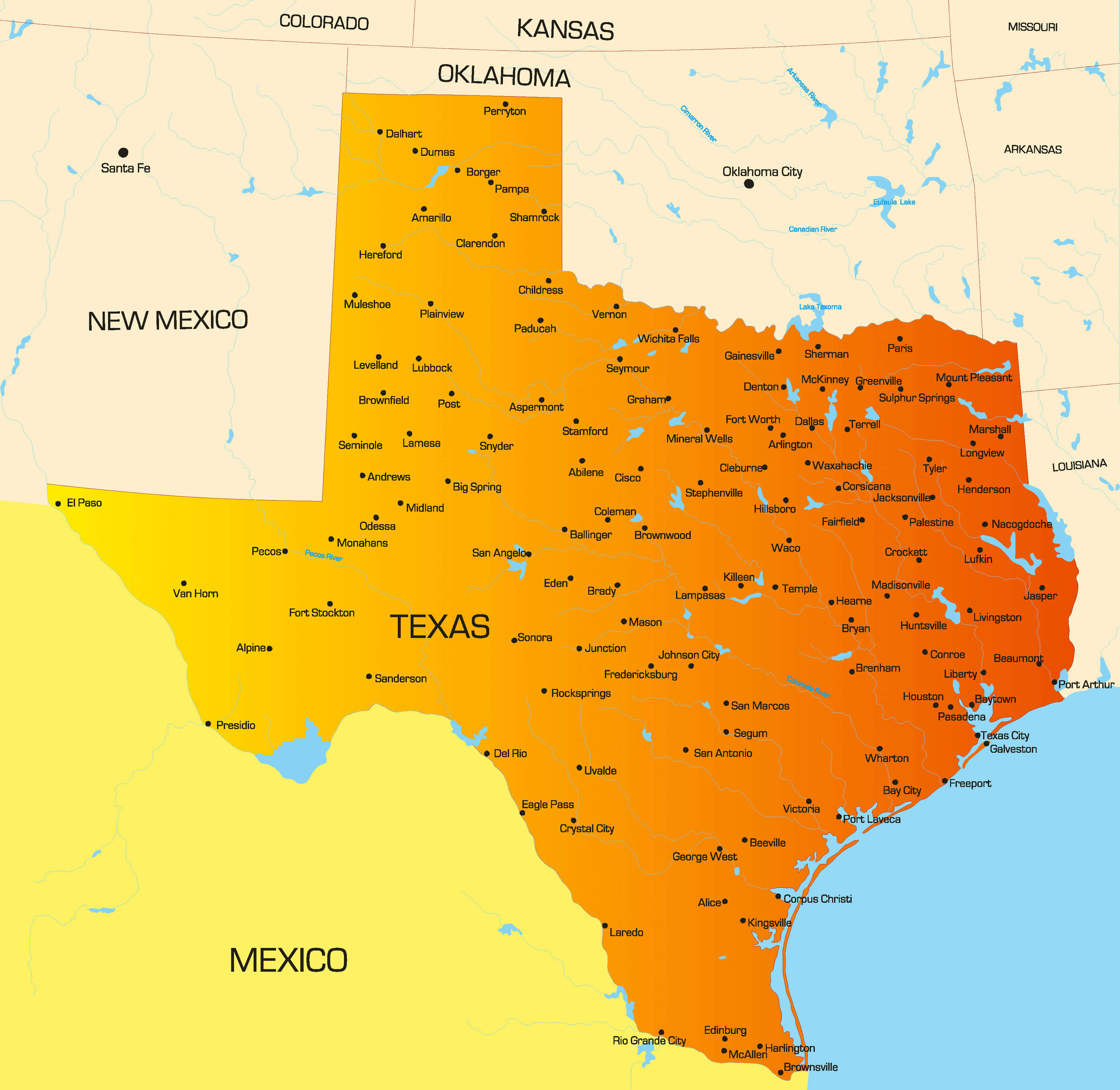
Most Texans check their watches against Central Standard Time or Central Daylight Time, keeping in sync with the American Midwest and Gulf Coast. However, El Paso and surrounding West Texas counties operate on Mountain Time, putting them an hour behind major hubs like San Antonio and Fort Worth.
This geographical span creates micro-cultures in daily scheduling. In the central and eastern expanses, business hours lock into standard national loops, but the sheer physical distance between cities means commuting and travel dictate a slower, more deliberate transit culture. Driving across the state takes hours, forcing residents to treat distance and time as fluid concepts rather than rigid constraints.
Morning Habits and the Early Start
Texas mornings often start before the sun fully clears the horizon, largely driven by climate considerations. Beating the intense afternoon heat, especially from late spring through early autumn, shifts outdoor labor, construction schedules, and exercise routines to the early morning hours.
- The 6:00 AM Shift: Workplaces in fields like energy, construction, and agriculture routinely begin operations early to avoid peak temperatures.
- Coffee Culture: Local independent coffee shops fill up quickly by 6:30 AM, serving commuters who face long drives down major interstate corridors like I-35 or I-10.
- School Schedules: Public school districts across the state typically kick off classes between 7:30 AM and 8:00 AM, reinforcing an early-rising community structure.
The Midday Pivot and Heat Management
When the midday sun peaks, the rhythm of daily life adjusts. Unlike European cities that might lean into a midday siesta, Texas business and commerce push through with heavy reliance on air conditioning, but outdoor activities pause significantly.
Lunch breaks often anchor the middle of the workday, with local spots serving everything from quick Tex-Mex plates to slow-smoked barbecue brisket. Because distances between office parks and residential areas can span multiple zip codes, lunch isn't just a meal—it's a deliberate pause in a fast-paced corporate day.
Evening Life: Dining, Music, and Socializing
As temperatures drop in the evening, social life accelerates. Cities like Austin keep schedules that stretch deep into the night, anchored by live music venues and community gatherings.
- Dinner Hours: Restaurants typically see peak dining rushes between 7:00 PM and 9:00 PM, later than standard Midwestern norms.
- Weekend Tailgating: High school football on Friday nights and college or NFL tailgates on Saturdays dictate autumn weekends, transforming entire towns around game-day timelines.
- Outdoor Living: Patios and backyards become the primary living spaces once the sun goes down, shifting social interaction outdoors well past dark.
Common Misconceptions About Texan Time
outsiders often assume the entire state moves at a slow, rural crawl, or conversely, that major metros mirror New York intensity. In reality, Texas operates on its own hybrid timeline. While business efficiency matches any major global market, community interactions still prioritize personal connection over rushed exchanges. Stopping to chat with a neighbor or cashier isn't viewed as a waste of time; it's an essential part of the social fabric.
You can explore more about regional energy management that powers these daily routines through the Electric Reliability Council of Texas, or read about state heritage via the Texas State Library and Archives Commission. For broader travel and cultural insights, check out Travel Texas.
Frequently Asked Questions
Does all of Texas observe the same time zone?
No. While the vast majority of the state runs on Central Time, El Paso and parts of West Texas operate on Mountain Time.
How does the climate affect daily routines in Texas?
Extreme summer heat forces outdoor work, construction, and recreational exercise into the early morning or late evening hours to avoid peak temperatures.
Is daylight saving time observed across the entire state?
Yes, Texas observes daylight saving time uniformly across both of its time zones, shifting clocks forward in the spring and back in the fall.
Why are evening social hours relatively late in Texas cities?
Warmer evening temperatures and a vibrant outdoor dining and live music culture push social gatherings and dinner rushes later into the evening.


