When you look at healthcare career compensation in the Lone Star State, understanding actual take-home pay matters far more than broad national estimates. If you're eyeing diagnostic imaging roles, you want to know what you'll realistically make on an hourly basis, how regional markets differ, and what certifications move the needle on your paycheck.
The average hourly pay for a Texas radiology tech salary sits roughly between $34 and $42 per hour, depending on your exact metropolitan area, years of experience, and facility type. According to data tracked by the U.S. Bureau of Labor Statistics, the statewide mean hourly wage for radiologic technologists hovers near $34.84, translating to an annual mean wage of approximately $72,470. However, active job boards and regional staffing platforms report current market averages climbing closer to $40.32 per hour for experienced hospital staff and specialized imaging professionals.
What Texas Radiology Techs Actually Earn Per Hour
To evaluate your earning potential, you have to break down wages by percentiles. Pay varies widely based on whether you're fresh out of an accredited program or you've spent a decade running trauma CT scans at a major medical center.
- Bottom 10 Percent: Entry-level techs or those in rural clinics start around $23.00 to $24.50 per hour (roughly $48,000 annually).
- Median Range (50th Percentile): Mid-career technologists earn between $32.00 and $36.00 per hour, providing a stable foundation for the state's cost of living.
- Top 10 Percent: Highly experienced techs, lead technologists, or those picking up lucrative on-call shifts pull in $47.00 to $49.00+ per hour (exceeding $100,000 a year).
Metropolitan Pay Differences Across Texas
Location drives healthcare compensation. Major urban centers with dense hospital networks often pay higher base rates, though competition can vary.
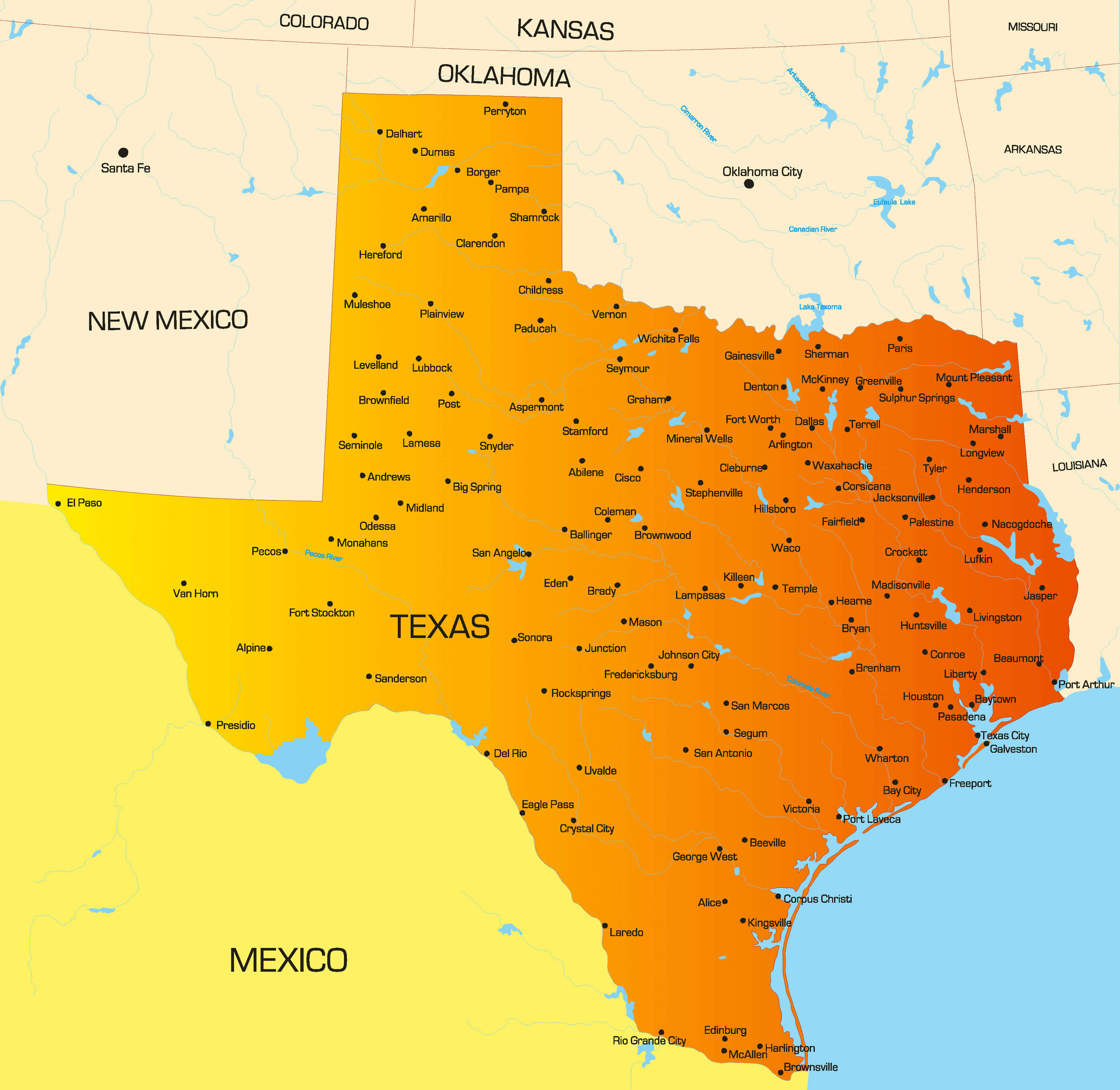
- Dallas-Fort Worth-Arlington: Average hourly wages hover around $37.29, supported by extensive healthcare networks like UT Southwestern and Baylor Scott & White.
- Houston-The Woodlands-Sugar Land: The Texas Medical Center drives heavy demand, pushing average hourly pay to $35.77, with specialized hospital positions frequently hitting $45.00 per hour.
- San Antonio and Austin: Wages lean slightly lower than Houston and Dallas, typically averaging $31.00 to $34.00 per hour, though rapid population growth in Central Texas is gradually driving rates upward.
- Rural Texas and Border Regions: Facilities outside major metros may offer lower base hourly pay (often $26.00 to $29.00), but employers frequently sweeten offers with sign-on bonuses or student loan repayment assistance due to staffing shortages.
Key Factors That Increase Your Hourly Rate
If you want to maximize your earning potential in Texas, you cannot rely solely on standard annual cost-of-living bumps. Specific career choices directly alter your hourly baseline.
Specialization and Cross-Training
General X-ray certification is just the starting point. Facilities pay distinct premiums for advanced modalities. If you cross-train and gain registry credentials in Computed Tomography (CT), Magnetic Resonance Imaging (MRI), or interventional radiology, your market value jumps immediately. CT and MRI techs often command $4.00 to $8.00 more per hour than general diagnostic radiographers.
Shift Differentials and On-Call Pay
Hospitals operate 24/7, meaning evening, night, and weekend shifts come with extra cash.
- Shift Differentials: Working nights or weekends typically adds an extra $2.00 to $5.00 per hour to your base rate.
- On-Call Rates: Being on-call for emergency trauma imaging usually pays a lower standby rate (such as $4.00 to $6.00 per hour), but when you get called in, you are guaranteed a minimum number of hours paid at time-and-a-half.
Employment Setting
Where you wear your scrubs impacts your check.
- Outpatient Care Centers: According to federal data, outpatient imaging centers boast some of the highest hourly mean wages, sometimes averaging over $43.00 per hour due to streamlined operating hours and high patient volume.
- General Medical and Surgical Hospitals: These offer steady hours, robust benefits, and shift differentials, with mean wages around $36.62 per hour.
- Physician Offices: Typically pay the lowest, averaging closer to $31.66 per hour, though they often provide weekends and holidays off.
Hidden Costs and Realities of the Job
Before calculating your gross annual income, keep a few practical realities in mind.
Healthcare positions require physical stamina. You will spend hours on your feet, assist patients with limited mobility, and wear heavy lead aprons during fluoroscopy procedures. Furthermore, maintaining your American Registry of Radiologic Technologists (ARRT) credentials requires completing continuing education credits every biennium, alongside keeping your Texas Medical Board (TMB) license active.
Frequently Asked Questions
Do I need a license to practice as a radiology tech in Texas?
Yes. To practice legally in the state, you must hold certification from the ARRT and obtain a license from the Texas Medical Board (TMB) as a Certified Medical Radiologic Technologist (CMRT).
How does Texas radiology pay compare to the national average?
Texas wages align very closely with the national median. While coastal states like California offer significantly higher pay scales, Texas balances this with a more favorable cost of living and zero state income tax.
Can travel radiology tech jobs pay more in Texas?
Yes. Travel assignments and contract positions through agencies frequently pay significantly higher hourly rates—sometimes $50 to $70+ per hour—to fill urgent hospital staffing gaps, though they require flexibility and do not always include standard employer benefits.
What is the fastest way to boost my hourly pay?
Earning an additional registry in CT or MRI is the most reliable way to boost your earning power. Hospitals heavily prioritize multi-credentialed technologists who can float between departments.



