Introduction
The Texas Indian Paintbrush (Castilleja indivisa) stands as one of the most recognizable spring wildflowers in the American Southwest. Its fiery red and orange tips paint roadsides and pastures across central and western regions of the state. Botanists and nature enthusiasts often mistake its showy red structures for flower petals, but they are actually specialized leaves known as bracts. This hemiparasitic plant relies on a complex underground relationship with neighboring grasses to thrive, making it a fascinating subject for field naturalists and ecologists alike.
Botanical Identification and Anatomy
Identifying Castilleja indivisa requires looking closely at both its signature color and its underlying structural traits. Unlike perennial species in the same genus, this plant typically behaves as a winter annual. Seeds germinate in autumn, and the seedlings spend the cooler months developing a low rosette of leaves before bolting in spring.
- Stem Structure: Erect and unbranched stems typically grow between 10 and 16 inches tall, featuring a fine layer of soft hairs.
- Foliage: Leaves are alternate, linear to narrowly lance-shaped, measuring up to five inches long with smooth edges and a grayish-green tint.
- Bracts: The vibrant red or orange-red parts are bracts that frame the upper portion of the stem, often tipped with yellow or white.
- True Flowers: Tiny, tubular, and pale yellow-green flowers hide tightly tucked inside the colorful bracts.
- Root System: A strong taproot anchors the plant while developing specialized projections called haustoria to attach to host roots.
The bright bracts serve an evolutionary purpose by acting as visual beacons for native pollinators, including bumblebees and hummingbirds, compensating for the understated appearance of the actual flowers.
Habitat and Soil Preferences
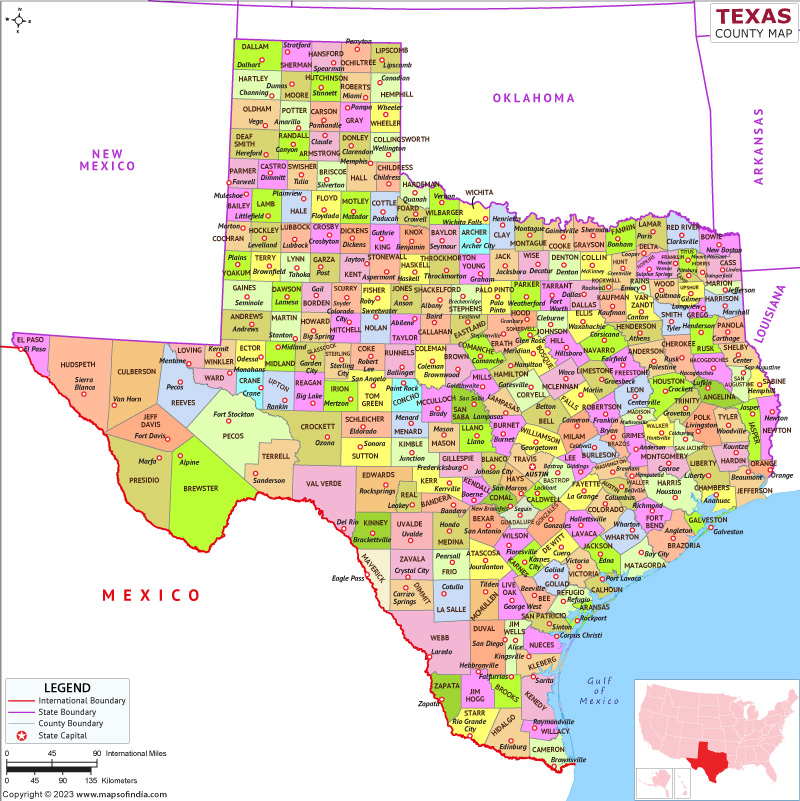
Wildflower distribution depends heavily on geology, climate, and soil chemistry. The Texas Indian Paintbrush occurs naturally across a specific geographic range spanning central Texas, parts of Oklahoma, and northern Mexico.
The plant shows a strong preference for well-drained soils derived from limestone. It thrives on rocky hillsides, gravelly barrens, and open prairies where competition from dense turfgrass remains low. Soil that stays soggy or retains heavy clay will rot the root system, preventing successful establishment. Full sun exposure is non-negotiable; plants shaded by dense brush or tree canopies fail to produce robust blooms.
According to the Lady Bird Johnson Wildflower Center, native annuals like the paintbrush depend heavily on uncultivated ground where soil microbes and native grass networks remain intact.
The Hemiparasitic Strategy
One of the most misunderstood aspects of Castilleja species is their method of nutrient acquisition. While they perform photosynthesis to produce their own sugars, they are hemiparasites, meaning they derive partial nourishment from other plants.
Using microscopic cellular bridges called haustoria, the roots of the Indian Paintbrush latch onto the root systems of nearby perennial grasses, such as little bluestem or sideoats grama. Through these connections, the paintbrush extracts water, minerals, and nitrogen. This parasitism doesn't typically kill the host grass, but it does stunt the host's vigorous growth, which in turn reduces competition for sunlight.
Attempting to grow these plants without a proper host grass is the primary reason garden cultivation attempts usually fail.
Seasonal Lifecycle and Bloom Timeline
The life cycle of the Texas Indian Paintbrush is tied directly to regional weather patterns.
- Germination: Fall rains trigger seed germination, allowing tiny rosettes to form before winter frosts arrive.
- Overwintering: The plant stays low to the ground as a rosette, quietly establishing root contact with neighboring grasses.
- Bolting and Bloom: As temperatures rise in late winter and early spring, the main stem shoots upward. Peak bloom occurs from March through May.
- Seed Production: After pollination, tiny capsules form, drying out and dropping hundreds of dust-like seeds onto the soil before the plant dies back in the summer heat.
Frequently Asked Questions
Can you transplant wild Texas Indian Paintbrush into a home garden?
Transplanting wild specimens almost always fails. The delicate root connections to host plants tear during digging, and the plant cannot survive being decoupled from its subterranean partners. If you want them in a landscape, sowing seeds directly over established native grasses in autumn is the only viable method.
Are these wildflowers toxic to pets or livestock?
Castilleja indivisa is not documented as toxic to humans, dogs, or cats. Livestock generally avoid grazing on it due to its bitter taste and low nutritional value, meaning it poses little risk in pastures.
Why do some paintbrush plants appear yellow or orange instead of bright red?
Genetic variation within wild populations accounts for color shifts. While brilliant crimson is standard, environmental factors and natural mutations occasionally produce salmon, yellow, or pure white bracts.
How do Indian Paintbrush seeds germinate in the wild?
The seeds require a period of cold stratification and benefit from chemical cues released by the root exudates of suitable host grasses. Once these signals trigger germination, the young root must quickly locate and attach to a host root within weeks to survive.