Tracking organized crime across the Lone Star State requires looking past sensationalized media headlines and examining official intelligence data. Law enforcement agencies maintain operational oversight of regional networks, mapping how street syndicates, prison groups, and cartels intersect. Understanding this architecture demands a clear look at geographical distribution, structural tiers, and public safety data.
The Texas Department of Public Safety (DPS) tracks thousands of gang members operating within municipal boundaries, suburban corridors, and correctional institutions. These networks are categorized based on their transnational reach, alliance structures, and involvement in high-level criminal enterprises such as drug distribution and human smuggling.
Structure of Gang Networks in Texas
Criminal organizations in Texas operate on varying scales, ranging from localized neighborhood sets to sophisticated prison-based hierarchies with direct international connections. Law enforcement classifies these groups using a tier system that measures their overall statewide threat level.
Tier 1 organizations pose the most significant public safety challenges due to their membership size, alliance stability, and involvement in cross-border smuggling. Prominent groups in this tier include Tango Blast and its associated cliques, the Texas Mexican Mafia, and Barrio Azteca.
- Tango Blast: Composed of regional cliques originating from major Texas cities, this network functions as one of the largest collective memberships in the state's penal and street systems.
- Texas Mexican Mafia: Established inside the prison system, this organization maintains strict internal rules and coordinates illicit operations on both sides of the U.S.-Mexico border.
- Barrio Azteca: Originally formed in El Paso, this group has evolved into a transnational organization with documented ties to major cartels operating in Ciudad Juárez.
Lower-tier groups include neighborhood-level gangs and outlaw motorcycle gangs that engage in localized drug trafficking, weapon sales, and property crimes. While smaller in geographic reach, these cliques often partner with larger syndicates to expand their operational capacity.
Geographic Concentration and Urban Hotspots
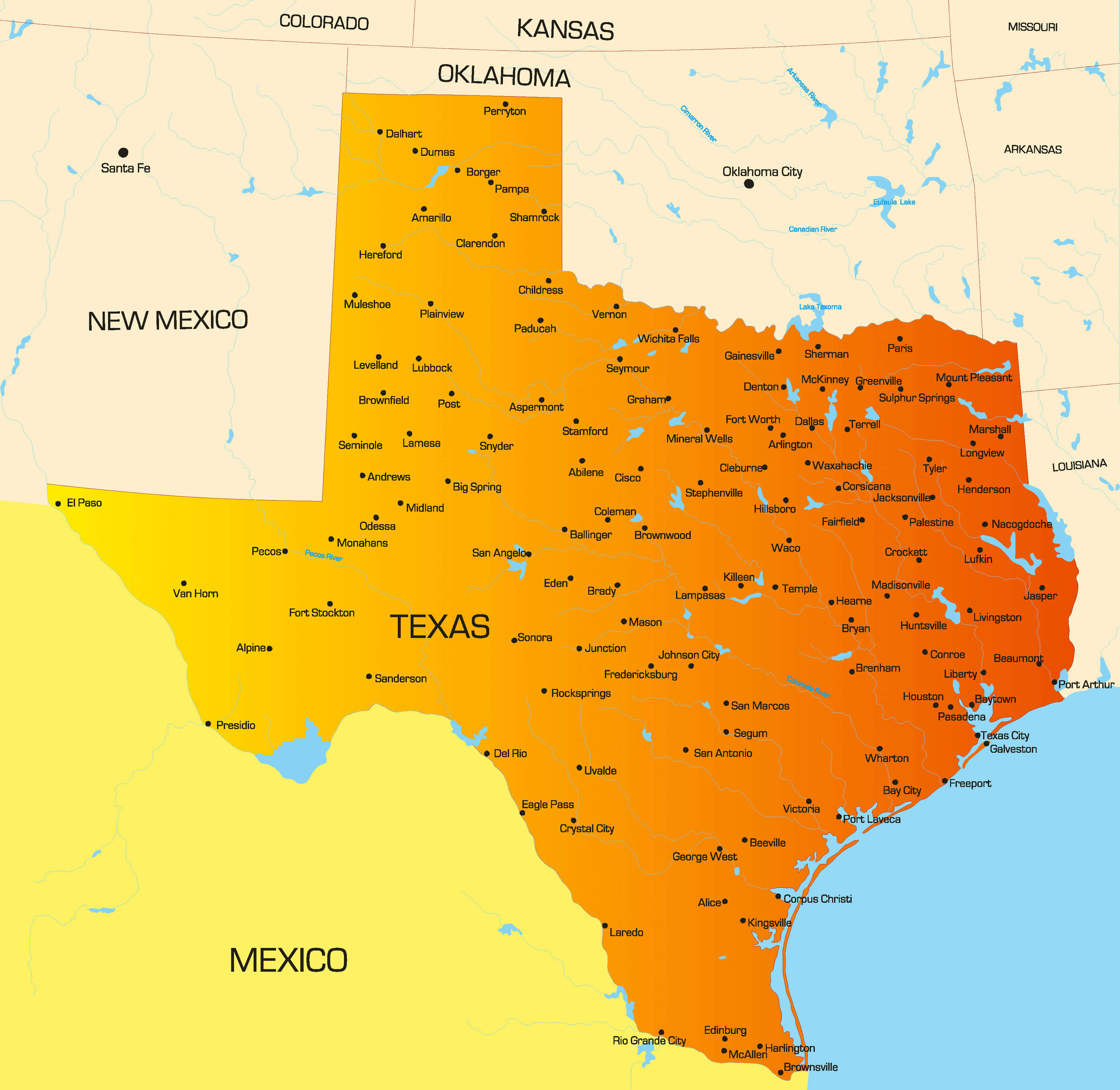
Gang presence across Texas isn't distributed evenly; it concentrates heavily in major metropolitan centers and vital transit corridors. Urban hubs like Houston, Dallas, San Antonio, and Austin record higher concentrations of documented activity due to population density and access to interstate highways.
Harris County, encompassing Houston, historically reports some of the highest concentrations of gang members and multi-jurisdictional task force investigations in the state. Major transit routes running north from the border cities of El Paso, Laredo, and the Rio Grande Valley serve as primary logistical arteries for illicit contraband, connecting regional distributors to national markets.
Law enforcement agencies monitor these movements through collaborative intelligence sharing platforms, such as the Texas Joint Crime Information Center, allowing municipal police and state troopers to track shifting alliances and emerging turf disputes.
Cartel Connections and Transnational Operations
A defining characteristic of modern Texas gang dynamics is the direct relationship between domestic groups and Mexican cartels. Transnational criminal organizations rely on established street and prison gangs to manage local distribution, collection, and enforcement networks north of the international border.
These partnerships generate substantial revenue through human trafficking, wholesale narcotics distribution, and retail-level street sales. Because these enterprises generate high levels of cash and contraband, state and federal task forces focus heavily on disrupting financial pipelines and communication channels between prison yards and the streets.
Law Enforcement Strategies and Tracking Tools
Combating organized criminal networks requires a multi-layered approach involving local police departments, federal agencies, and state investigators. The Texas DPS Criminal Investigations Division targets high-threat offenders and dismantles command structures rather than solely focusing on low-level street arrests.
- Intelligence Databases: Secure platforms allow authorized officers to input identifiers, tattoos, and association markers to track gang mobility across county lines.
- Task Force Operations: Multi-jurisdictional teams combine resources to target specific criminal enterprises, reducing the footprint of violent robbery rings and drug distribution cells.
- Community Outreach: Prevention programs work with at-risk youth in urban centers to provide alternatives to gang recruitment and delinquency.
For official updates and public safety bulletins, residents can consult resources provided through the Texas Department of Public Safety and federal overviews via the U.S. Department of Justice.
Frequently Asked Questions
What defines a Tier 1 gang in Texas?
Tier 1 status is assigned by law enforcement based on overall statewide strength, level of committed violence, structural organization, and direct involvement in transnational criminal activities like cartel partnerships.
Are Texas prison gangs active outside of correctional facilities?
Yes. Many prominent groups, such as the Texas Mexican Mafia and Tango Blast cliques, maintain active street operations, directing criminal enterprises and drug distribution networks long after individual members are released from custody.
How do law enforcement agencies track gang movement?
Agencies utilize shared intelligence databases, confidential informants, wiretaps, and cross-jurisdictional task forces to monitor the evolution, leadership changes, and territorial shifts of criminal groups.
Which Texas regions experience the highest concentration of gang activity?
Major urban centers—particularly Harris County (Houston), Dallas County, and Bexar County (San Antonio)—historically record the highest densities of documented gang members and related criminal offenses.


