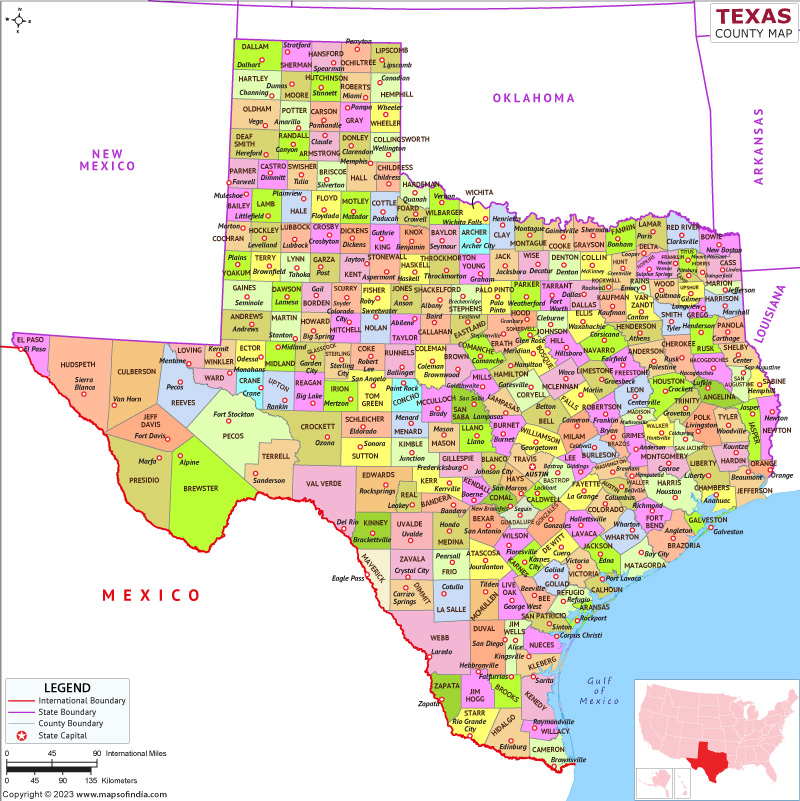
Texas is dominating the national technology landscape through massive investments in artificial intelligence infrastructure, semiconductor fabrication, and energy grid modernization. Rather than relying solely on traditional software hubs, the state is anchoring its growth in physical tech, advanced manufacturing, and power-dense data centers that drive the modern economy.
This surge relies on a combination of favorable regulatory policies, massive capital allocation, and an influx of engineering talent moving into metropolitan corridors like Austin, Dallas-Fort Worth, and Houston. Understanding how this ecosystem operates requires looking past general economic hype and examining the specific industrial sectors, infrastructure projects, and engineering bottlenecks shaping the region.
The Infrastructure Engine: Data Centers and Power
The physical footprint of modern computing requires unprecedented amounts of electricity and real estate. North Texas alone has seen unprecedented construction activity, with commercial real estate reports tracking hundreds of megawatts of data center capacity actively under development.
This rapid expansion changes how regional power grids operate. Developers aren't just plugging into existing municipal lines anymore. They're partnering directly with energy providers to build dedicated microgrids and leverage everything-to-grid technologies that stabilize local distribution networks. As reported in detailed reports by TechCrunch, the implications are worth noting.
- Grid Integration: Facilities now incorporate localized battery storage systems to handle peak computational loads without triggering brownouts for residential neighborhoods.
- Mechanical Constraints: The primary bottleneck isn't land availability or software engineering talent; it's the supply chain for heavy mechanical trades, chillers, and high-voltage transformers.
- Geographic Distribution: While Austin remains the software capital, data center investments concentrate heavily in North Texas and rural West Texas, where land costs are lower and renewable energy access is high.
Semiconductor Manufacturing and Foundational Hardware
While software gets the headlines, silicon fabrication anchors the region's industrial depth. Companies are pouring billions into massive 300mm cleanroom facilities across the state. This localized production mitigates global supply chain vulnerabilities that disrupted tech hardware production earlier in the decade.
Texas Instruments and other major manufacturers are expanding analog and embedded processing capacity to support the soaring demand from automotive, industrial, and enterprise data center clients.
- Analog Resilience: Analog chip supply outside of traditional overseas markets has faced constraints, making Texas-based fabrication plants crucial for global automotive and industrial automation.
- The Talent Pipeline: Engineering programs at institutions like The University of Texas at Austin and Texas A&M University supply a steady stream of specialized material scientists and semiconductor process engineers directly to these plants.
For instance, when a major automotive manufacturer needs specialized power management chips for electric vehicle powertrains, local fabrication hubs cut delivery timelines from months to weeks. This proximity reduces logistical friction for hardware startups building physical AI and robotics products.
Clean Energy Innovation and Industrial Decarbonization
Energy innovation in the state extends far beyond traditional oil and gas. The region leads the nation in utility-scale solar and wind deployment, which now serves as a primary draw for technology companies aiming to power energy-intensive operations with zero-carbon sources.
At the same time, traditional energy service firms are pivoting their subsurface expertise toward geothermal energy extraction and industrial water treatment technologies. This crossover leverages decades of local engineering experience in drilling and fluid dynamics, applying it directly to next-generation climate infrastructure.
- Water Management: Advanced water recycling systems deployed in the Permian Basin reduce industrial freshwater consumption by treating flowback water for repeated use in local operations.
- Direct Air Capture: Early-stage pilot projects are testing direct air capture units powered by localized solar installations, turning West Texas open land into testing grounds for carbon removal technologies.
Common Strategic Mistakes in Regional Tech Expansion
Companies rushing to establish a presence in the region frequently stumble by underestimating local operational realities. Avoiding these pitfalls saves engineering teams months of delay.
- Ignoring Permitting Timelines: Assuming that business-friendly regulations mean instant zoning approval for industrial construction leads to severe project delays. Power connection approvals require extensive coordination with local utilities.
- Neglecting Supply Chain Localization: Sourcing mechanical and electrical components from overseas vendors defeats the purpose of relocating to a regional manufacturing hub. Building local vendor networks is essential.
- Overlooking Climate Realities: Designing facilities without accounting for extreme summer heat loads results in cooling failures and unexpected efficiency losses. Infrastructure must be engineered for extreme thermal stress from day one.
Frequently Asked Questions
Which Texas cities are driving the current tech growth?
Austin remains the primary hub for software development and venture capital, but Dallas-Fort Worth leads in enterprise data center construction and telecommunications. Houston dominates energy tech, life sciences, and aerospace engineering innovations.
How is the state handling the massive electricity demand from new tech sectors?
Utilities and private developers are investing heavily in grid modernization, co-located renewable energy generation, and battery storage systems. Facilities are increasingly required to provide their own backup power solutions or participate in demand-response programs.
Are tech startups moving away from Silicon Valley to Texas?
Many venture-backed startups and established tech giants have established secondary headquarters or primary operations in the state. The primary drivers are lower operating costs, favorable tax structures, and access to top-tier engineering talent from local universities.
What role do local universities play in this industrial growth?
Institutions like The University of Texas at Austin and Texas A&M University partner directly with private enterprise to fund research centers, supply specialized graduates, and commercialize academic patents in artificial intelligence and materials science.



