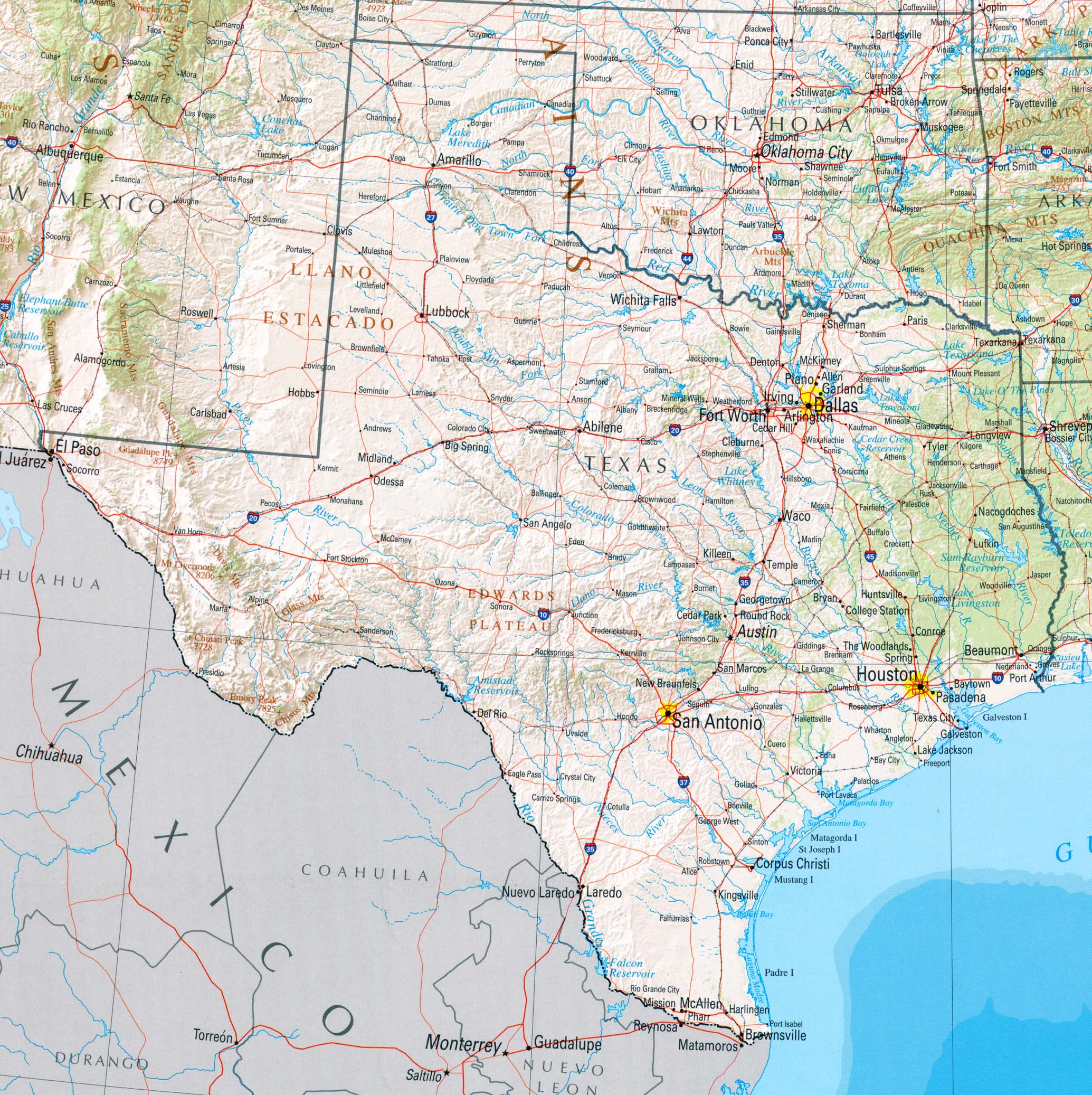
Texas operates on its own cultural clock, shaping how millions approach labor, leisure, and daily community life. From the early morning bustle of corporate hubs in Dallas and Austin to the sprawling ranch lands of West Texas, the Lone Star State exerts an outsized pull on the broader American rhythm. Understanding this unique environment requires looking past the well-worn clichés of cowboy hats and oil derricks to examine the economic models, social frameworks, and daily habits driving modern Texas.
The state's influence on American life stems from a deliberate mix of low regulation, rapid population growth, and a fiercely independent civic identity. While coastal metros traditionally set national trends in media and policy, Texas provides an alternative blueprint—one centered on corporate relocation, real estate expansion, and a distinct blend of Southern and Southwestern traditions. This piece breaks down the mechanics of Texas culture, examining how work, recreation, and community interact in America's second-largest state.
The Economic Engine: Work Culture in the Lone Star State
Work in Texas is defined by scale, speed, and structural independence. The absence of a personal state income tax creates an immediate financial incentive that draws workers and corporations alike from high-tax states like California and New York. This fiscal framework fuels a business climate built on rapid expansion, light zoning in many suburban zones, and a corporate preference for private-sector agility over public-sector oversight.
Corporate migration has transformed major cities into distinct economic powerhouses. Austin operates as a software and hardware innovation hub, often dubbed Silicon Hills. Houston anchors global energy markets, healthcare via the Texas Medical Center, and aerospace engineering. Meanwhile, Dallas-Fort Worth serves as a central nexus for logistics, finance, and telecommunications.
- Corporate Relocations: Major headquarters shifting to Texas have normalized a fast-paced corporate culture that blends Southern hospitality with high-stakes commercial ambition.
- Cost of Living Realities: While median home prices in Austin or Dallas have risen significantly, they historically track lower than comparable coastal markets, altering expectations around household space and commuting times.
- Workforce Diversity: The labor pool is heavily influenced by a dynamic demographic shift, featuring a large and growing Hispanic population that shapes local commerce, construction, and professional services.
Despite the corporate modernization visible in glass skyscrapers, a blue-collar ethos persists. Trades, manufacturing, and energy extraction maintain high cultural currency. The value placed on self-reliance means that independent contracting, small business ownership, and entrepreneurial ventures enjoy broad social approval.
The Rhythm of Play: Recreation and Leisure
When work stops, the Texas approach to leisure emphasizes wide-open spaces, competitive sports, and culinary traditions that demand time and patience. Unlike regions where recreation is often privatized or confined to indoor fitness clubs, Texan play frequently spills outdoors, leveraging the state's diverse geography—from the pine forests of the East to the rugged canyons of Big Bend.
High school and collegiate sports function as secular religions across the state. Friday night football games in small towns draw entire communities, while Saturday matchups at institutions like the University of Texas at Austin or Texas A&M draw massive crowds and galvanize local social calendars. Tailgating culture here is an elaborate culinary and social ritual, setting a high standard for communal gathering.
Food is another primary vehicle for leisure. Central Texas barbecue requires overnight smoking methods using post oak, turning outdoor cooking into an all-day social event. Concurrently, Tex-Mex cuisine—a distinct fusion of Mexican and regional American ingredients—defines casual dining from border towns to suburban strip malls.
- Outdoor Pursuits: Weekend culture often involves lake boating on Travis or Conroe, hunting leases in the Hill Country, or navigating state parks like Palo Duro Canyon.
- Live Music Landscapes: Austin earned its reputation as the Live Music Capital of the World, but cities like Fort Worth and Lubbock maintain vibrant independent scenes rooted in country, blues, and rock.
- Festivals and Fairs: Events like the State Fair of Texas draw millions, anchoring seasonal traditions that celebrate agriculture, local craftsmanship, and community pride.
Social Fabric and Community Identity
The social architecture of Texas relies on a paradox: an explicit celebration of rugged individualism paired with deep-seated local community support. When natural disasters or economic shifts occur, local volunteer networks mobilize with notable speed, reflecting a cultural expectation that neighbors aid neighbors without waiting for bureaucratic directives.
This identity is reinforced by historical awareness. The narrative of the Texas Revolution, independence, and frontier survival is taught early and referenced often, giving residents a shared symbolic vocabulary.
- Civic Pride: Displaying the state flag is common across commercial and residential properties, symbolizing a distinct regional allegiance that often supersedes standard national patriotism.
- Suburban Growth: The explosive growth of master-planned communities around major metros has created new micro-cultures where families trade dense urban living for larger square footage and community amenities.
- Cultural Crosscurrents: The blending of Anglo, Tejano, German, and African American heritages creates a multifaceted cultural texture that influences architecture, language cadence, and local customs.
Common Misconceptions About the Texas Lifestyle
Popular media often flattens Texas into a monolithic caricature. Addressing these misconceptions clarifies how residents actually navigate daily life.
- Myth: Everyone lives on a ranch or farm. In reality, over 85 percent of Texans reside in major urban and suburban corridors, experiencing a lifestyle centered around corporate parks, highway commuting, and master-planned subdivisions.
- Myth: The climate is identical everywhere. Texas spans multiple distinct ecological zones. The humid Gulf Coast bears little resemblance to the dry heat of El Paso or the pine-shaded rolling hills of East Texas.
- Myth: Traditionalism excludes modern tech. While historical preservation is prized, cities like Austin and Dallas house some of the nation's most advanced technology incubators and biotechnology research facilities.
Frequently Asked Questions
Why do people keep moving to Texas?
Economic opportunity remains the primary driver. The absence of a personal state income tax, a continuous supply of corporate job openings, and relatively accessible housing markets compared to the Northeast and West Coast make the state an attractive destination for relocation.
How does Texas culture differ from the Deep South?
While Texas shares historical ties to Southern agriculture and hospitality, its culture is heavily influenced by Southwestern, Western, and Mexican traditions. The proximity to the border, the legacy of cattle ranching, and the dominance of dry western terrain create an identity distinct from states east of the Mississippi River.
Is Texas affordable for average wage earners?
Affordability varies significantly by location. While rural areas and smaller cities offer a lower cost of living, high-demand metropolitan zones like central Austin, Dallas, and parts of Houston have seen substantial property value increases, tightening budgets for median-income households.
What industries drive the modern Texas economy?
Beyond traditional oil and natural gas extraction, the modern economy relies heavily on technology, aerospace, logistics, finance, healthcare, and renewable energy sectors, particularly wind and solar power generation across the state's vast plains.


