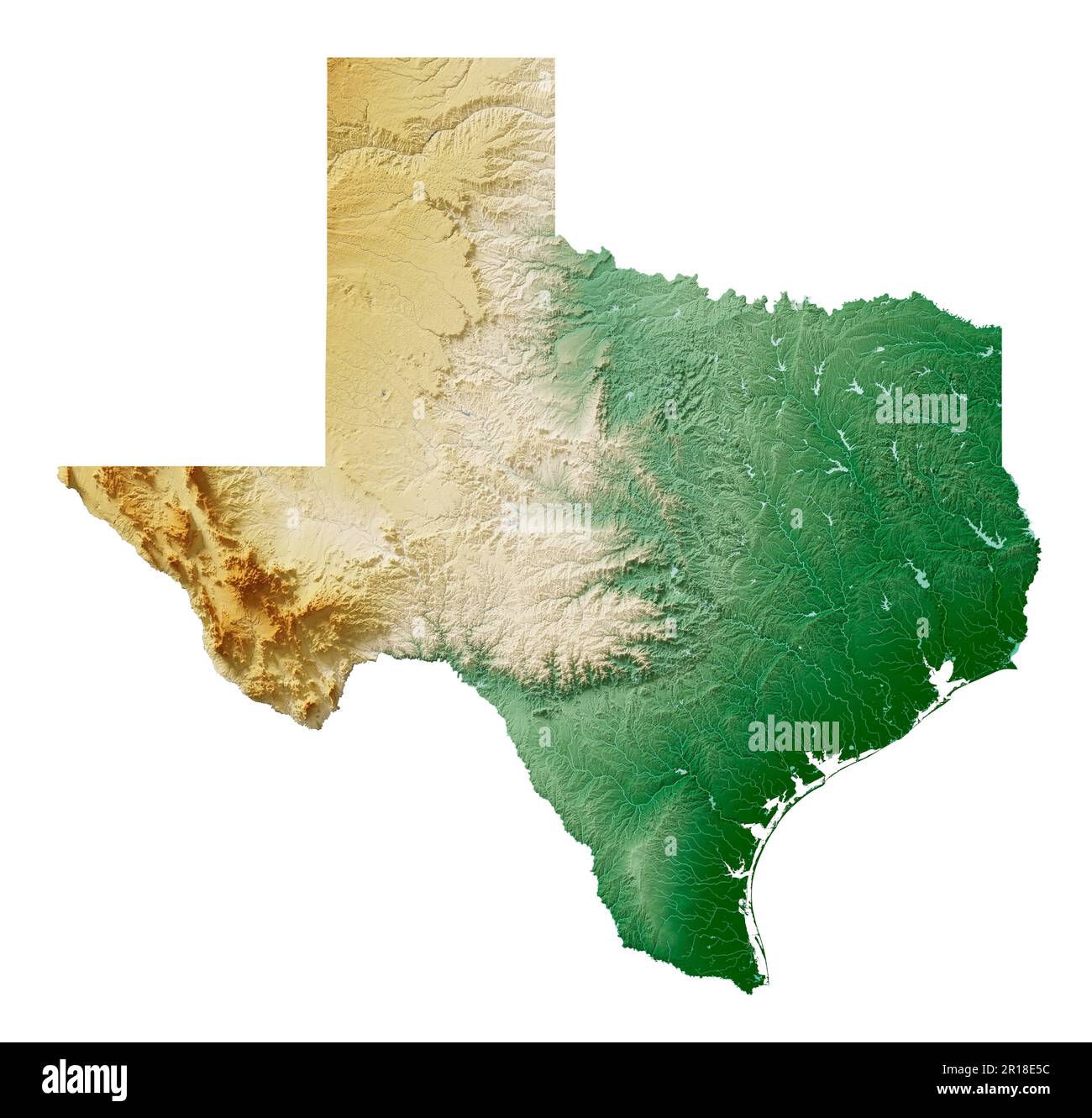
When people look into Texas emergency infrastructure, they often hit a wall of acronyms. Among them, the Texas Civil Support Team (CST) stands out as a specialized unit operating away from the everyday public eye. Far from being an abstract riddle, the CST is a highly trained military-interagency asset deployed to handle complex, high-consequence public safety threats across the Lone Star State.
Understanding how this unit fits into the broader safety architecture requires looking past vague online speculation. The CST operates primarily as a specialized chemical, biological, radiological, nuclear, and high-yield explosive (CBRNE) response force. Funded and structured to support local civil authorities, this unit bridges the gap between everyday law enforcement and specialized federal defense mechanisms.
What is the Texas Civil Support Team?
The official designation for this unit in Texas is the 6th Civil Support Team (CST), part of the Texas Military Department. Established to provide rapid identification and assessment of hazardous materials during domestic incidents, the unit consists of full-time National Guard personnel.
They don't patrol highways or respond to routine traffic accidents. Instead, they deploy at the request of local emergency responders—such as municipal fire departments, police agencies, or county officials—when an incident exceeds local hazard mitigation capabilities.
- Core Mission: Support civil authorities during domestic CBRN incidents.
- Deployment Window: Capable of mobilizing an advanced echelon quickly to evaluate severe threats.
- Jurisdiction: Operates statewide across Texas, collaborating seamlessly with federal agencies like the FBI and local emergency management.
Operational Framework and Core Capabilities
The utility of the CST lies in its advanced technical equipment and specialized training. When local authorities encounter an unknown substance, an abandoned industrial lab, or a suspicious package, standard field tests have limitations. That's where the CST steps in with mobile analytical laboratories and survey sections designed to operate safely in contaminated hot zones.
Hazard Characterization and Identification
The unit's survey section utilizes specialized monitoring equipment to detect chemical warfare agents, biological pathogens, and radiological signatures. They provide presumptive hazard identification inside contaminated areas and manage proper sample collection while maintaining strict chain-of-custody protocols.
Decontamination and Medical Support
Operating in hazardous environments requires rigorous safety controls. The CST establishes technical and emergency decontamination corridors, preventing cross-contamination between hot and cold zones. They work alongside local emergency medical services to ensure that responders exposed to dangerous materials receive immediate clinical evaluation.
High-Profile Event Support
Beyond crisis response, the unit provides standing security support for major public gatherings in Texas. For instance, the 6th CST routinely assists with background radiation mapping, remote air monitoring, and mobile detection equipment during large-scale events like sports championships and major political inaugurations.
Common Misconceptions About Texas Public Safety Units
Online commentary often paints specialized military and civil defense units with an air of mystery, leading to persistent myths. Clarifying these points helps paint an accurate picture of state public safety operations.
- Myth: The CST has routine law enforcement powers. In reality, they do not conduct criminal arrests or traffic stops. They operate entirely in a support capacity for civil lead agencies.
- Myth: They deploy autonomously without local request. The CST cannot self-dispatch to an incident. They act only when local authorities request state assistance through established emergency frameworks like the State Operations Center.
- Myth: They only handle large-scale wartime scenarios. While trained for catastrophic events, the unit regularly dispatches small strike teams to investigate localized threats, such as industrial chemical spills, suspicious white powder letters, or abandoned hazardous containers.
How Emergency Requests Work in Texas
When a local jurisdiction faces a hazard it cannot manage, it doesn't just call the military directly. Texas uses a structured escalation pathway to maintain clear lines of command and accountability.
- Local Discovery: Local first responders arrive at a scene and identify an unknown chemical, biological, or radiological threat that overmatches local equipment.
- Local Escalation: The Incident Commander requests state-level assistance through regional emergency channels or the Texas Division of Emergency Management (TDEM).
- State Coordination: The State Operations Center evaluates the resource request and authorizes the deployment of specialized assets like the CST.
- Joint Operations: The CST arrives on-site, integrates with the Unified Command structure, performs hazard identification, and advises local leaders on mitigation strategies.
Frequently Asked Questions
Who commands the Texas Civil Support Team?
The unit is managed under the authority of the Texas Military Department and the Governor of Texas, operating with both state and federal oversight to ensure rapid readiness for domestic emergencies.
Are CST members full-time personnel?
Yes, unlike traditional National Guard units that drill part-time, CST personnel serve in a full-time active Guard/Reserve status because maintaining proficiency in complex CBRN detection requires constant training and equipment maintenance.
How does the public request CST assistance?
Private citizens cannot directly request a CST deployment. All requests must originate from authorized local civil authorities, emergency management coordinators, or law enforcement agencies managing an active incident.
Do CST units work outside of Texas?
While their primary focus is the Lone Star State, civil support teams can coordinate across state lines or assist federal authorities under specific mutual aid compacts and national defense frameworks when formally authorized.



