Landing Texas CDL oilfield jobs gives you access to some of the highest-paying commercial driving roles in North America. While standard over-the-road freight often caps out at modest yearly wages, hauling crude, water, or frac sand across the Permian Basin frequently clears six figures. If you hold a Class A license and want to maximize your earning power, understanding the specific types of oilfield hauls, precise licensing requirements, and daily operational realities will help you secure the right position.
The Texas energy sector relies entirely on commercial motor vehicles to transport water, drilling mud, chemicals, and extraction equipment. Because these operations run around the clock, driver demand remains steady. However, this work demands more physical exertion, stricter safety protocols, and longer hours than standard dry van or refrigerated freight hauling.
Major Types of Texas CDL Oilfield Driving Jobs
Not all oilfield hauling jobs involve the same equipment or daily routines. Choosing the right niche depends on your experience level, endorsements, and willingness to handle manual labor at well sites.
Frac Sand Hauling
Frac sand transport utilizes pneumatic trailers to deliver millions of pounds of proppant to active well completion sites. You'll load sand at regional terminals and blow it into silo storage units on location.
- Earnings range from $3,000 to $4,000 per week during peak drilling seasons.
- The work involves managing heavy hoses, climbing the trailer catwalks, and monitoring pressure gauges in dusty environments.
Crude Oil Transport
Crude oil haulers pull tanker trailers, moving liquid petroleum from stock tanks at production wells directly to pipeline injection stations or refineries.
- This position requires both a Tanker (N) and Hazardous Materials (H) endorsement, often combined as the X endorsement.
- Because you're hauling flammable liquids, safety standards are intensely rigorous, and mistakes carry severe federal penalties. Pay scales sit between $3,200 and $4,200 weekly.
Water Hauling
Water transport is often considered the entry point for commercial drivers entering the oil patch. You'll move fresh water for drilling operations or produced saltwater away from wells using vacuum or straight-tank trucks.
- Weekly compensation averages $2,800 to $3,500 due to heavy overtime hours.
- Expect to hook up and unhook heavy hoses multiple times a day in remote, muddy, or dusty conditions.
Heavy Equipment and Rig Moving
Moving specialized drilling rigs, masts, and oversized oilfield machinery requires specialized lowboy trailers and multi-axle configurations.
- This represents the highest-paying tier of oilfield trucking, with experienced drivers clearing $3,500 to $5,000+ per week.
- You'll need exceptional backing skills, wide-load permitting knowledge, and the ability to secure complex, heavy cargo safely.
Core Requirements to Drive in the Texas Oil Patch
Energy companies and dedicated motor carriers enforce stricter hiring criteria than standard dry van fleets because well sites present extreme environmental hazards.
You must possess a valid Commercial Driver's License, typically Class A, alongside specific endorsements depending on your cargo. Most carriers require you to be at least 23 years old for insurance purposes, though some hire at 21 with clean motor vehicle records.
Safety compliance is non-negotiable. Employers check your Commercial Driver's License Information System report thoroughly. Drug and alcohol testing is mandatory under Department of Transportation regulations, and most oilfield employers enforce strict zero-tolerance pre-employment hair follicle testing.
Furthermore, you need a current DOT medical card. Physical endurance matters just as much as paperwork; you'll regularly climb ladders, drag heavy hoses through caliche mud, and work in 100-degree West Texas summer heat.
Pay Structures and Earning Potential
Oilfield driving compensation rarely follows standard per-mile models. Most companies use structured hourly pay with robust overtime multipliers, percentage-of-revenue splits, or flat rate pay per completed load.
Because many drivers log 70 to 80 hours per week, gross annual earnings for company drivers frequently land between $140,000 and $200,000. Independent owner-operators who contract their trucks to oilfield service providers can gross significantly higher figures, though they absorb steep commercial diesel, maintenance, and specialized oilfield insurance expenses.
Many Permian Basin employers sweeten initial offers with sign-up incentives ranging from $5,000 to $15,000, paid out incrementally across your first several months of employment.
Common Operational Challenges
Before transitioning to the oil patch, you should weigh the physical and lifestyle trade-offs against the financial upside.
- Severe Schedule Demands: Shifts often start at odd hours, and you might work 12 to 14 hours a day on rotating schedules.
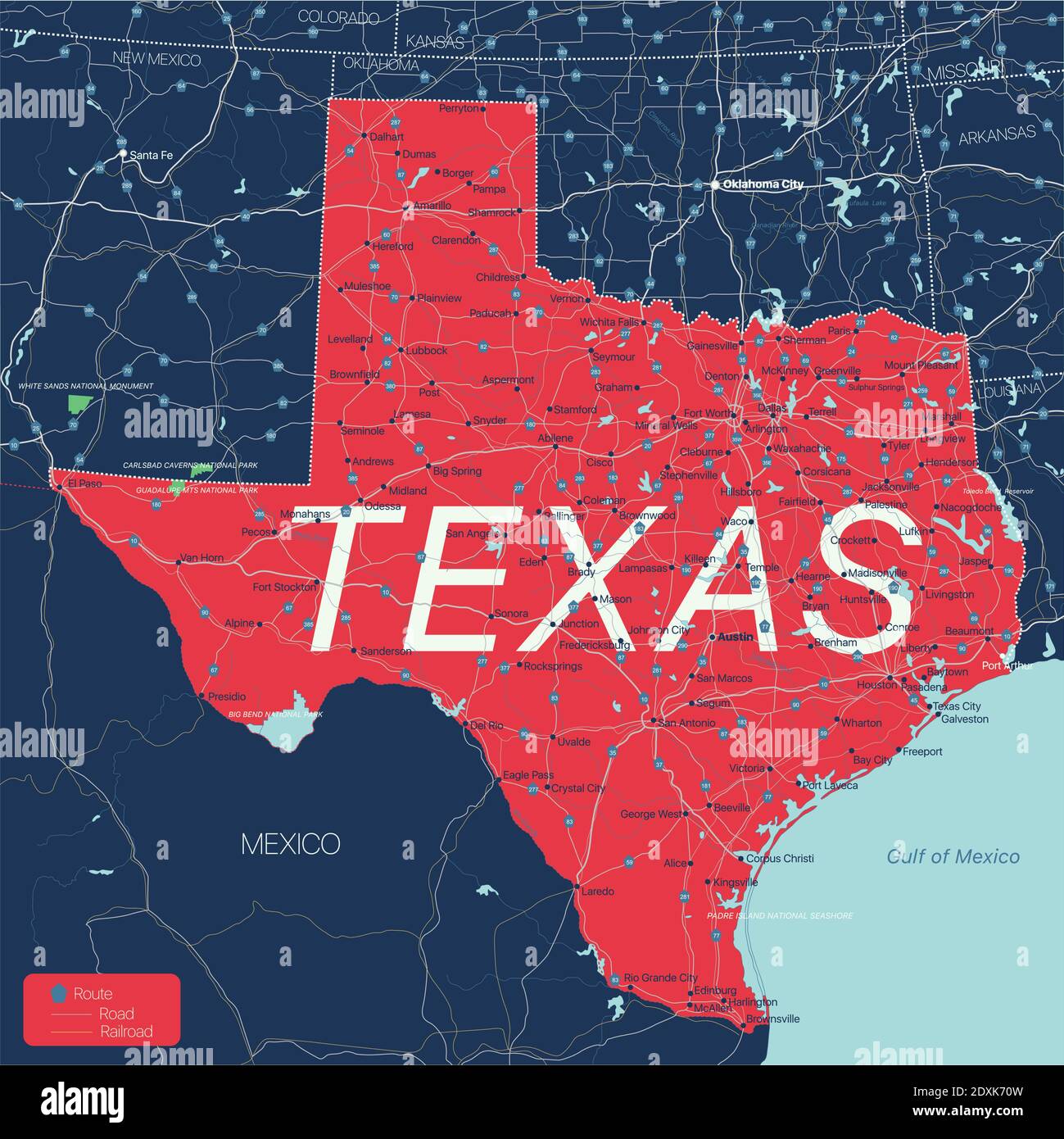
- Remote Locations: Major operations cluster around Midland, Odessa, Pecos, and Karnes City. Housing in these hub cities can be expensive or scarce, though many employers provide man-camp lodging or housing allowances.
- Wear and Tear: Caliche roads, fine dust, and corrosive produced water put intense mechanical stress on trucks, requiring daily pre-trip inspections to prevent roadside breakdowns.
To research current safety regulations, review guidelines maintained by the Federal Motor Carrier Safety Administration. You can also explore state-specific economic data through the Texas Workforce Commission to track active drilling permits and regional hiring trends.
Frequently Asked Questions
Do I need prior oilfield experience to get hired?
Not necessarily. While premier heavy haul positions demand years of specialized experience, many water hauling and frac sand companies hire drivers with zero oilfield background as long as you possess a clean driving record and a valid Class A CDL with proper endorsements. Companies typically provide structured on-the-job training for site safety.
What endorsements are most important for Texas oilfield jobs?
The Tanker (N) endorsement is essential for water and crude hauling. If you plan to move crude oil or specific oilfield chemicals, you must also secure your Hazardous Materials (H) endorsement. Combining them into an X endorsement makes you instantly eligible for the highest-paying liquid transport roles.
How are oilfield drivers usually paid?
Unlike long-haul freight paid by the mile, oilfield drivers are predominantly paid by the hour (with standard overtime rates after 40 hours) or receive a flat percentage split of the revenue generated per load. This structure directly rewards you for hustle and turnaround speed at the well site.
What is the lifestyle like for an oilfield truck driver?
Expect long hours, demanding physical environments, and schedules tied directly to active drilling completions. Many drivers choose a rotation schedule, such as working intensive multi-week stretches followed by scheduled days off, while others live locally in West Texas for the duration of their employment contract.