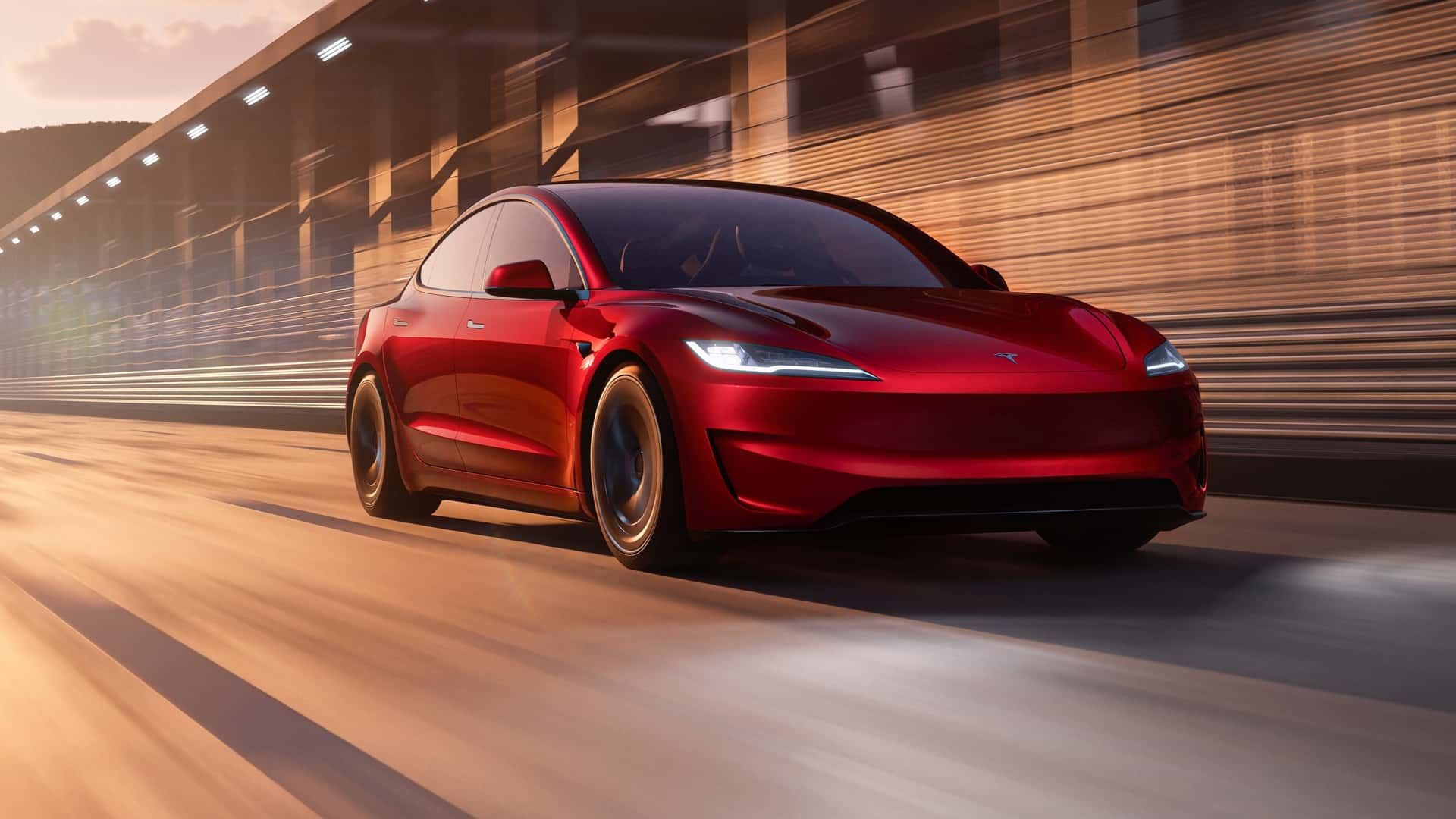
If you're making the switch from a gas-powered vehicle to an electric one, old habits die hard. You might catch yourself wondering when the dashboard will flash a reminder for your next fluid service. The short answer is simple: Tesla oil change requirements do not exist because electric vehicles don't use internal combustion engines.
Without hundreds of moving parts grinding together inside a block of cylinders, you can permanently cross engine oil changes off your vehicle chore list. Yet, eliminating motor oil doesn't mean your car is entirely maintenance-free. Shifting from gas to electric changes what upkeep looks like, replacing messy fluid flushes with software updates, brake checks, and thermal system management.
Why Electric Motors Skip the Oil Pan
Internal combustion engines rely heavily on engine oil to lubricate metal components under extreme heat and pressure. Pistons, camshafts, and crankshafts demand a continuous supply of clean oil to prevent catastrophic friction.
Tesla vehicles use electric motors with a radically simpler design. A typical Tesla drive unit features just one moving part: the rotor. Because there are no reciprocating pistons, timing belts, or spark plugs, there's no combustion chamber requiring high-temperature lubrication.
Electricity flows into the stator, creating a rotating magnetic field that spins the rotor. Power transfers directly to the wheels through a single-speed gearbox. Because of this streamlined engineering, you never need to visit a quick-lube shop for an oil change.
What Replaces the Maintenance Schedule?
Even though you won't change engine oil, your vehicle still requires routine attention. According to official guidelines from Tesla Vehicle Maintenance, cars require servicing for other vital systems:
- Brake Fluid Health: Teslas use regenerative braking, which uses the electric motor to slow the car down and recapture energy. Because physical brakes are used less often, brake fluid can absorb moisture over time. Tesla recommends testing brake fluid every two years and replacing it if necessary.
- Cabin Air Filters: Just like standard cars, Teslas pull outside air through a cabin filter. Over time, dust, pollen, and road grime clog this filter. Replacing it every two to three years keeps your interior air clean.
- A/C Desiccant Bag: The air conditioning system features a desiccant bag that absorbs moisture. Depending on your model, this component typically needs replacement every few years to protect the climate control system.
- Tire Rotation and Alignment: Instant torque from electric motors can wear down rear or front tires faster than traditional cars. Rotating your tires every 6,250 miles (or sooner if you notice uneven tread wear) extends tire life significantly.
Fluid Management in an Electric Powertrain
While engine oil is entirely absent, other fluids play a critical role in keeping your vehicle running smoothly.
Coolant Loops
Teslas use advanced thermal management systems to keep the high-voltage battery pack and drive units within optimal temperature ranges. Coolant pumps circulate fluid through these systems to prevent overheating during fast charging or heavy acceleration. While these coolants are designed to last for a long time, they must be inspected periodically by a qualified technician.
Gearbox Fluid
Certain drive units contain a small amount of specialized transmission or gearbox fluid to lubricate the reduction gears. Unlike engine oil, which breaks down rapidly from combustion byproducts and extreme heat, this fluid is engineered to last much longer. However, high-mileage vehicles may eventually require a fluid check or replacement according to specific service bulletins.
Common Misconceptions About EV Upkeep
Transitioning to an electric vehicle often sparks confusion. Let's clear up a few persistent myths floating around online forums and parking lots.
- Myth: Electric cars never need any fluids serviced. As noted, brake fluid, windshield washer fluid, and thermal coolants still demand regular checks.
- Myth: Maintenance is entirely DIY-unfriendly. While you can't change oil in your driveway, you can easily top off washer fluid, check tire pressure, and replace cabin air filters yourself.
- Myth: Servicing must happen at a traditional dealership. Because there are fewer mechanical failure points, you don't need frequent dealership touchpoints. Many minor fixes and diagnostics happen over-the-air via software updates.
For a deeper look into how engineering differences affect ownership costs, check out the US Department of Energy Alternative Fuels Data Center.
Frequently Asked Questions
Do Teslas ever need transmission service?
No. Teslas use a fixed-gear transmission with very few moving parts, eliminating the complex multi-speed transmissions found in gas cars that require regular fluid flushes and clutch replacements.
How often should I rotate my Tesla tires?
You should rotate your tires every 6,250 miles or immediately if you notice a 2/32-inch or greater difference in tread depth between tires. Rear-wheel-drive and dual-motor configurations wear rubber differently, making regular rotations vital.
What happens if I ignore brake fluid replacement?
Over several years, brake fluid absorbs water from the air. This lowers the boiling point of the fluid and can lead to spongy pedal feel or reduced braking efficiency during emergency stops.
Are brakes more expensive to maintain on an electric car?
Generally, no. Because regenerative braking handles a large portion of slowing the car down, brake pads and rotors experience far less wear and tear than those on traditional vehicles, often lasting well over 100,000 miles.


