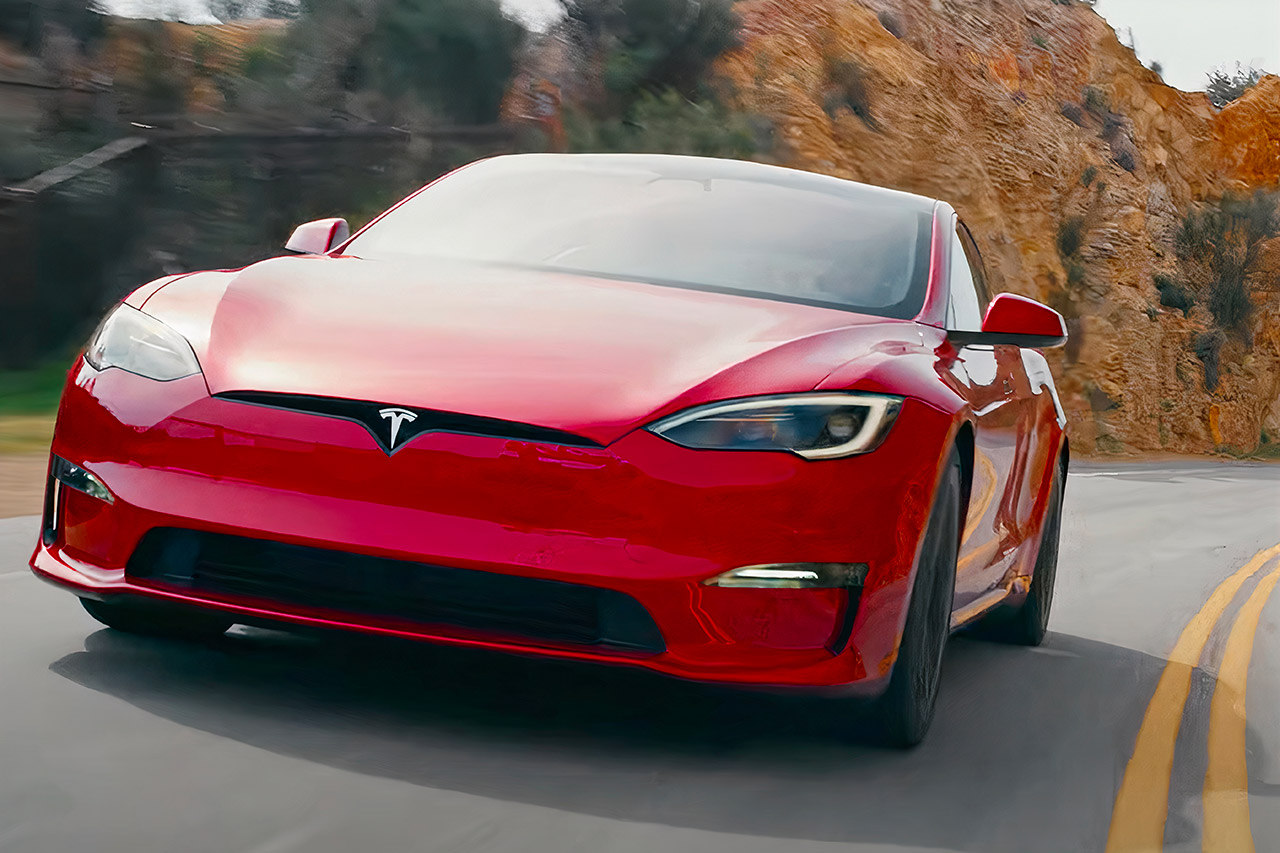
If you're hunting for a Tesla Model S Plaid for sale in Australia, you'll run into a hard wall. Tesla officially cancelled all right-hand-drive production for the Model S and Model X, wiping out local order books and refunding prospective buyers. You can't walk into a local showroom or hop online to order a factory-fresh, right-hand-drive Plaid model.
The tri-motor flagship sedan remains strictly left-hand drive for markets like North America and select European regions. Because Australia mandates right-hand-drive configurations for standard vehicle registration outside of specific rare import schemes, finding or owning a Model S Plaid locally requires navigating complex personal import regulations, engineering conversions, or settling for alternative high-performance electric vehicles available through official channels.
Why the Model S Plaid Isn't Sold in Australia
Tesla's decision to drop right-hand-drive production came down to global manufacturing volume and engineering overhead. The Model S and Model X represent a small fraction of Tesla's global sales compared to the high-volume Model 3 and Model Y. Re-engineering the complex interior layout, steering assembly, and safety cage for a declining right-hand-drive market segment didn't make financial sense for the company.
When Tesla pulled the plug on existing orders, affected customers received deposit refunds alongside a minor credit toward a Model 3 or Model Y. That left local enthusiasts who wanted flagship acceleration with an empty space in their garages. You can check the current official lineup on the Tesla Australia website to see what performance variants remain locally supported. For further background on the matter, in-depth analysis can be read at The New York Times.
Private Imports and Left-Hand-Drive Realities
Can you privately import a left-hand-drive Model S Plaid from the United States and register it in Australia? The path is narrow, expensive, and filled with regulatory hurdles.
Australia's federal vehicle standards and state-based registration laws generally prohibit driving left-hand-drive vehicles on public roads unless they meet specific criteria.
- The 25-Year Rule: Vehicles older than 25 years can be imported under specific historic schemes without meeting full Australian Design Rules (ADRs). Since the Model S Plaid debuted production recently, it won't qualify under this rule for decades.
- Specialist and Enthusiast Vehicle Scheme (SEVS): High-performance or rare vehicles can sometimes enter via SEVS, but they usually require rigorous compliance pathways and local modification approvals.
- State-Specific LHD Laws: States like New South Wales and Victoria permit left-hand-drive registration only for vehicles that are typically over 30 years old, though some specialized exemptions exist for unique personal relocations or diplomatic use.
Importing a left-hand-drive car and trying to convert it to right-hand drive introduces another financial shock. Because Tesla's dashboard assembly, wiring harnesses, and structural aluminum castings are built specifically for left-hand-drive configurations, an aftermarket conversion requires custom fabrication that often voids factory warranties and costs tens of thousands of dollars.
Official Performance Alternatives in Australia
If you want blistering acceleration without importing a left-hand-drive grey-market vehicle, local buyers look toward factory-backed alternatives.
The Tesla Model 3 Performance provides a practical, right-hand-drive option with sports handling, track modes, and rapid 0-100 km/h times that rival traditional supercars. While it lacks the sheer output of the 1,020-horsepower tri-motor Plaid setup, it comes with full local warranty support, Supercharger network integration, and standard servicing access through Tesla's domestic service centers.
Buyers can also explore high-performance electric offerings from legacy luxury brands and newer EV manufacturers that build factory right-hand-drive variants for the local market. Checking vehicle specifications and safety ratings through the ANCAP safety authority helps compare how these locally available performance EVs stack up against imported benchmarks.
Common Mistakes When Chasing Rare EVs
Many prospective buyers run into trouble when trying to secure discontinued or overseas-only electric vehicles.
- Ignoring compliance costs: Assuming a car can be shipped into the country without a pre-approved import permit leads to vehicles being held or seized at customs ports.
- Overlooking high-voltage servicing: Even if an imported Plaid lands safely in Australia, local Tesla service centres may refuse to work on left-hand-drive variants due to parts availability and regional configuration differences.
- Underestimating shipping rules: Maritime carriers enforce strict regulations regarding lithium-ion battery transport, often requiring specific state-of-charge limits before a vehicle clears export.
Frequently Asked Questions
Can I convert a left-hand-drive Tesla Model S Plaid to right-hand drive?
Physically altering the steering rack, dashboard, and pedal box requires extreme structural modification. Because of complex wiring and integrated electronics, professional conversion houses rarely touch modern Teslas, making it financially unviable.
Are there any grey-import Tesla Model S Plaid cars registered in Australia?
A small number of personal imports or special-purpose vehicles may exist under strict, limited-use permits, but mass registration for everyday road use is virtually impossible due to state vehicle standards.
Will Tesla ever bring the updated Model S back to Australia?
Tesla hasn't indicated any plans to reverse its decision. As long as the Model S remains left-hand-drive only for global markets, local buyers won't see factory-supported right-hand-drive versions in showrooms.
What is the fastest Tesla you can buy new in Australia?
The Tesla Model 3 Performance serves as the premier high-acceleration option currently delivered directly to local customers with full factory backing.



