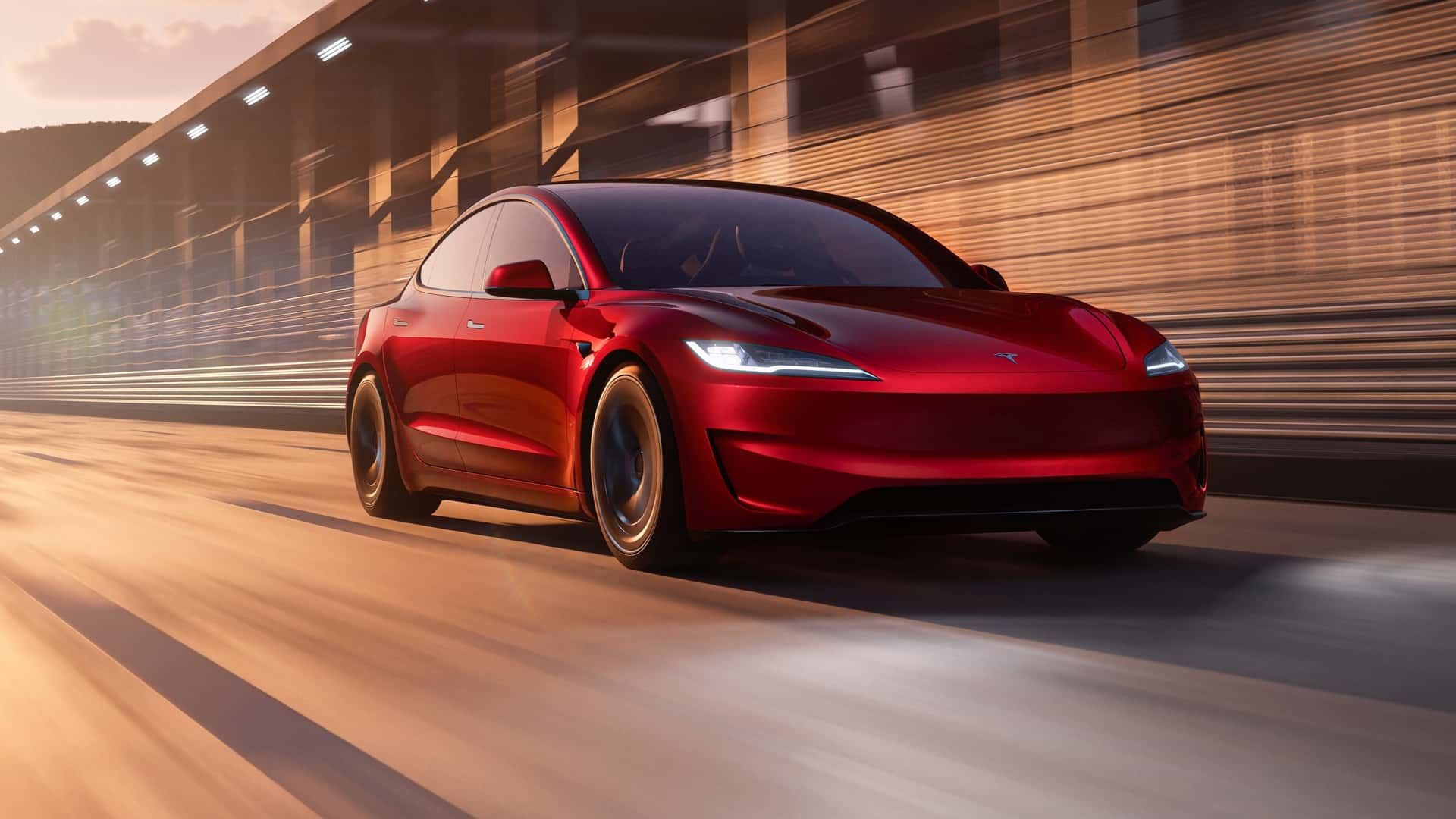
Setting up reliable home charging changes how you live with an electric vehicle. Instead of making weekly stops at public fuel or charging stations, you wake up every morning with a full battery. For a Tesla Model 3, mastering home charging means understanding your hardware choices, electrical requirements, and daily habits that preserve battery health over hundreds of thousands of miles.
Most owners rely on Level 2 equipment installed in a garage or driveway. While a standard wall outlet works in an emergency, it's too slow for daily commuting needs. Choosing the right hardware and getting the installation right the first time avoids costly electrical upgrades and ensures fast, safe overnight power delivery.
Understanding Your Home Charging Choices
Tesla provides two primary proprietary options for home setups: the Tesla Wall Connector and the Mobile Connector. Third-party Level 2 chargers are also widely available, but native Tesla hardware integrates directly with vehicle software and handles high amperages reliably.
The Tesla Wall Connector is a hardwired unit mounted directly to your garage wall or exterior surface. It delivers up to 11.5 kW (48 amps at 240V), which adds roughly 44 miles of range per hour of charging. It requires a dedicated 60-amp circuit breaker and professional installation. This setup suits drivers with long daily commutes or households sharing a charger between multiple electric vehicles.
The Mobile Connector is a portable cord that plugs into a standard 120V household outlet or a 240V NEMA 14-50 outlet. When plugged into a 240V outlet, it operates at 32 amps and adds about 30 miles of range per hour. This setup offers a balance of cost and performance without needing a hardwired wall unit.
Level 1 charging uses the standard 120V adapter plugged into a regular wall outlet. It adds only 3 miles of range per hour. A full battery recovery from near zero takes over two days, making this option useful only for low-mileage drivers or temporary use.
Electrical Requirements and Panel Capacity
Before buying a hardwired charger or high-output outlet, you need to know what your home electrical panel can handle. The Model 3's onboard charger accepts up to 48 amps. However, you don't have to run your charger at maximum speed.
Many homes have 100-amp or 200-amp service panels. An electrician can run a load calculation based on National Electrical Code (NEC) standards to determine available capacity. If your panel is near its limit, a licensed professional can configure a hardwired Wall Connector to draw a lower amperage—such as 32 amps or 24 amps—which reduces strain on your home wiring while still charging the car overnight.
Common installation steps include:
- Hiring an electrician to inspect your main service panel and proposed mounting location.
- Obtaining local electrical permits to ensure compliance with building codes.
- Running dedicated conduit and heavy-gauge copper wiring from the panel to the charging spot.
- Mounting the unit securely and testing the circuit under load.
Total installation costs typically range from $500 to $1,500 for standard labor and wiring, depending on the distance between your panel and the garage. If your home requires a complete service panel upgrade, expect an additional expense. You can review US Department of Energy guidelines on EV charging for broader technical recommendations on residential infrastructure.
Optimizing Charging Speeds and Daily Routines
Maximizing your charging setup goes beyond raw amperage. Managing when and how you charge protects battery longevity and lowers monthly utility bills.
Most electric utilities offer time-of-use (TOU) electricity pricing. Electricity costs significantly less during late-night and early-morning hours when grid demand drops. You can use the Tesla mobile app or the car's touchscreen interface to schedule charging to begin automatically during off-peak hours—for example, starting at midnight and finishing before your morning commute.
Battery chemistry in the Model 3 performs best with consistent daily habits. For daily driving, set your vehicle's charge limit to 80% or 90% via the Tesla app. Charging to 100% daily increases internal stress on the lithium-ion cells. Reserve full 100% charges for days when you're embarking on a long road trip.
Common Home Charging Mistakes to Avoid
Avoiding simple setup errors prevents equipment failure and unexpected repair bills.
- Skipping permits: Unpermitted electrical work can violate local ordinances and void homeowner insurance policies if an electrical fault occurs.
- Using extension cords: Never plug your EV or Mobile Connector into a standard household extension cord. High continuous current draw generates dangerous heat levels, posing a severe fire hazard.
- Ignoring wire gauge sizing: Using undersized wire for high-amperage circuits causes voltage drop and dangerous overheating. Always use professional-grade copper wiring matched to your breaker size.
- Neglecting weatherproofing: If you mount an outdoor charger, verify its NEMA rating. The Tesla Wall Connector is rated for indoor and outdoor use, but standard outlets require weatherproof enclosures with while-in-use covers.
Frequently Asked Questions
Can I install a Tesla Wall Connector myself?
While handy homeowners can physically mount the unit, the electrical wiring and breaker connection must comply with local electrical codes. Hiring a licensed electrician ensures safety, passes required inspections, and validates equipment warranties.
Do I need a special plug for a Tesla Model 3?
If you use a Tesla Wall Connector, it is hardwired directly into a circuit breaker without a plug. If you use a Mobile Connector for faster speeds, you need a 240V NEMA 14-50 outlet, which resembles a heavy-duty appliance outlet.
How much does it cost to charge a Model 3 at home?
Charging costs depend entirely on your local utility rates. If you pay $0.12 per kWh and drive a Model 3 with a roughly 75 kWh battery, filling it from empty costs about $9.00. Driving 1,000 miles per month typically adds $30 to $50 to a home electricity bill, which is far cheaper than gasoline.
Will home charging damage my car's battery?
No. Home AC charging is gentle on the battery pack compared to frequent DC fast charging. Following Tesla's recommended daily charge limits prevents premature capacity degradation over the vehicle's lifespan.


