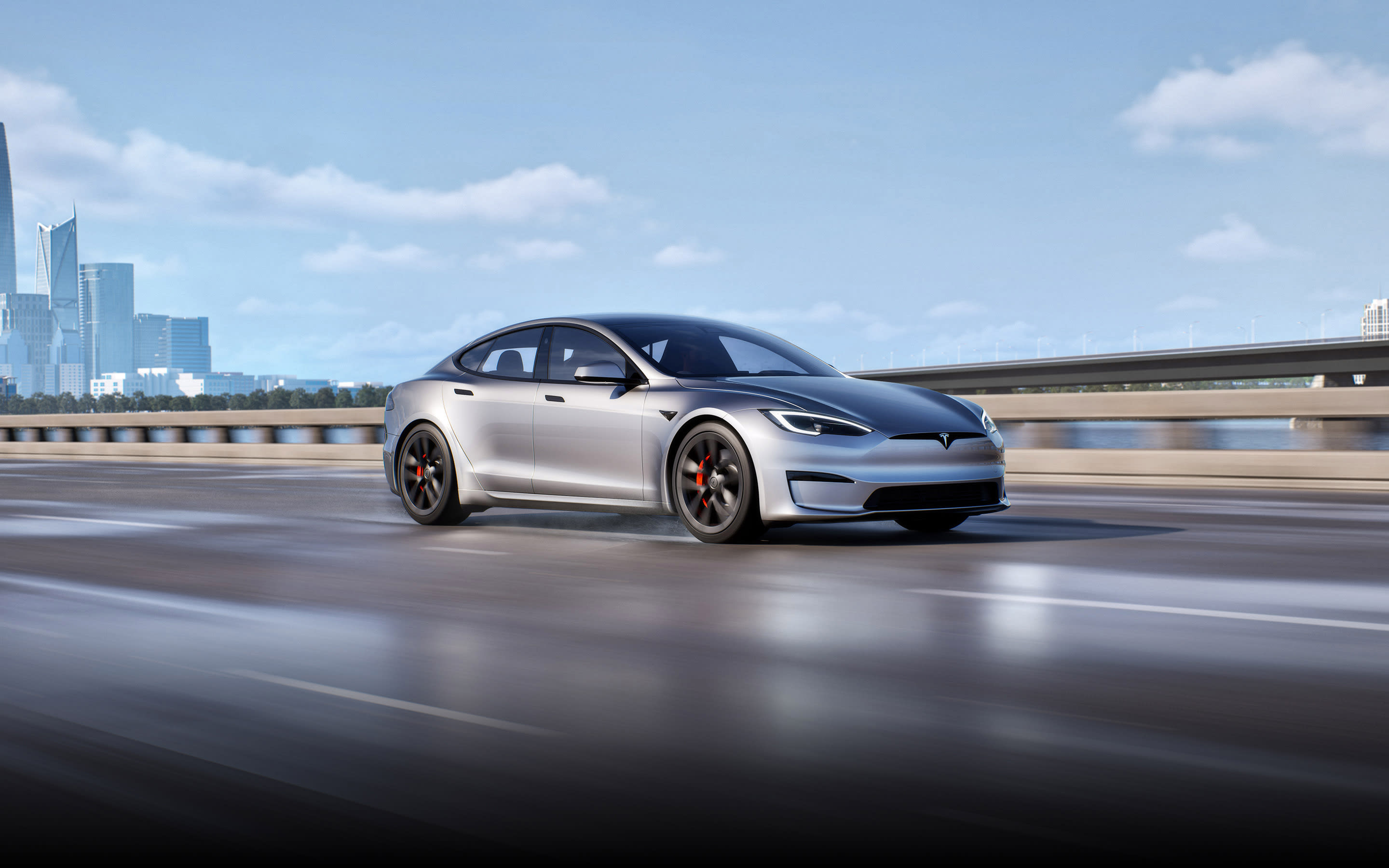
When buyers talk about a cheaper electric vehicle from Tesla, they usually mean the long-rumored entry-level hatchback widely dubbed the Model 2. While the company has never officially cataloged a vehicle under that exact nameplate, market demand for an accessible sub-$30,000 EV remains massive. Instead of a direct shrunken sedan, Tesla's next-generation platform focuses on manufacturing efficiency to hit lower price tiers without sacrificing core software ecosystems.
Current industry tracking shows that the affordable vehicle strategy has evolved into a compact vehicle architecture rather than a traditional hatchback. Production updates, factory adjustments, and shifting timelines mean buyers need realistic expectations about pricing, manufacturing schedules, and what features will actually ship.
Understanding the Tesla Model 2 Cost and Pricing Realities
Pricing speculation has hovered around the $25,000 mark for years, driven by early investor presentations and Elon Musk’s long-term master plan goals. Achieving that threshold requires radical shifts in automotive manufacturing, including large unboxed assembly processes and next-generation battery cost reductions.
Current market conditions and raw material costs suggest an initial launch price closer to $30,000 if the platform debuts as an independent compact model. Tariffs, local supply chain constraints, and the inclusion of standard safety suites also push base manufacturing costs upward. Buyers should anticipate that early production runs will favor higher-trim variants before bare-bones budget models hit volume scale.
Manufacturing and Production Timelines
Timelines for Tesla's next-generation compact platform have shifted multiple times. Initial projections pointed toward mid-decade production, but factory retooling and the prioritization of autonomous ride-hailing platforms like the Cybercab altered corporate focus.
Manufacturing is expected to scale across existing facilities, including gigafactories in Shanghai, Texas, and Berlin, to take advantage of established logistics networks. Bringing a brand-new vehicle platform to volume production requires months of pilot testing, regulatory approvals, and supply chain hardening, making a widespread consumer rollout a gradual, multi-region process.
Design Expectations and Platform Architecture
The architecture underpinning Tesla's upcoming entry-level vehicle relies on a streamlined assembly philosophy. Traditional car manufacturing builds vehicles piece by piece on a linear conveyor belt; Tesla's unboxed process sub-assembles large sections simultaneously before joining them.
- Footprint: Expect a compact crossover or hatchback profile measuring roughly 4.28 meters in length, optimizing interior space while keeping exterior dimensions tight for urban driving.
- Interiors: Minimalist layouts will dominate, removing traditional instrument clusters in favor of a central touchscreen interface that handles climate, navigation, and entertainment.
- Powertrain: Single-motor rear-wheel-drive configurations will likely serve as the entry-level standard to maximize efficiency and control production expenses.
Battery Technology and Range Estimates
Range anxiety remains a primary hurdle for budget-conscious electric vehicle buyers. To hit lower price points while maintaining practical utility, Tesla relies heavily on lithium iron phosphate (LFP) chemistry and refined 4680 cell formats.
LFP batteries cost less to produce, offer superior thermal stability, and degrade more slowly over time than traditional nickel-cobalt chemistry. However, energy density remains lower, meaning the base model will likely offer an estimated range between 230 and 270 miles per charge. For daily commuting and city driving, this range satisfies standard use cases without paying for oversized battery packs.
Frequently Asked Questions
Is the Tesla Model 2 officially confirmed by Tesla?
Tesla does not use the "Model 2" designation officially. Executives have referred to upcoming lower-cost vehicle programs as next-generation compact platforms, while enthusiasts apply the Model 2 moniker to fill out the brand's naming scheme.
How much will the budget Tesla actually cost?
While early goals targeted a $25,000 price point, inflation, battery supply shifts, and standard equipment packages mean a realistic starting price will likely land closer to $30,000 before applicable tax incentives.
Will the compact Tesla support Full Self-Driving?
The new platform is designed to be flexible, supporting both traditional human-driven configurations and autonomous ride-hailing hardware, depending on regional regulatory approval and software packages.
Should I wait for the budget Tesla or buy a Model 3 now?
If you need a vehicle immediately, waiting carries uncertainty due to shifting production schedules. Refreshed versions of the Model 3 Highland offer immediate availability, mature build quality, and established tax credit eligibility.



