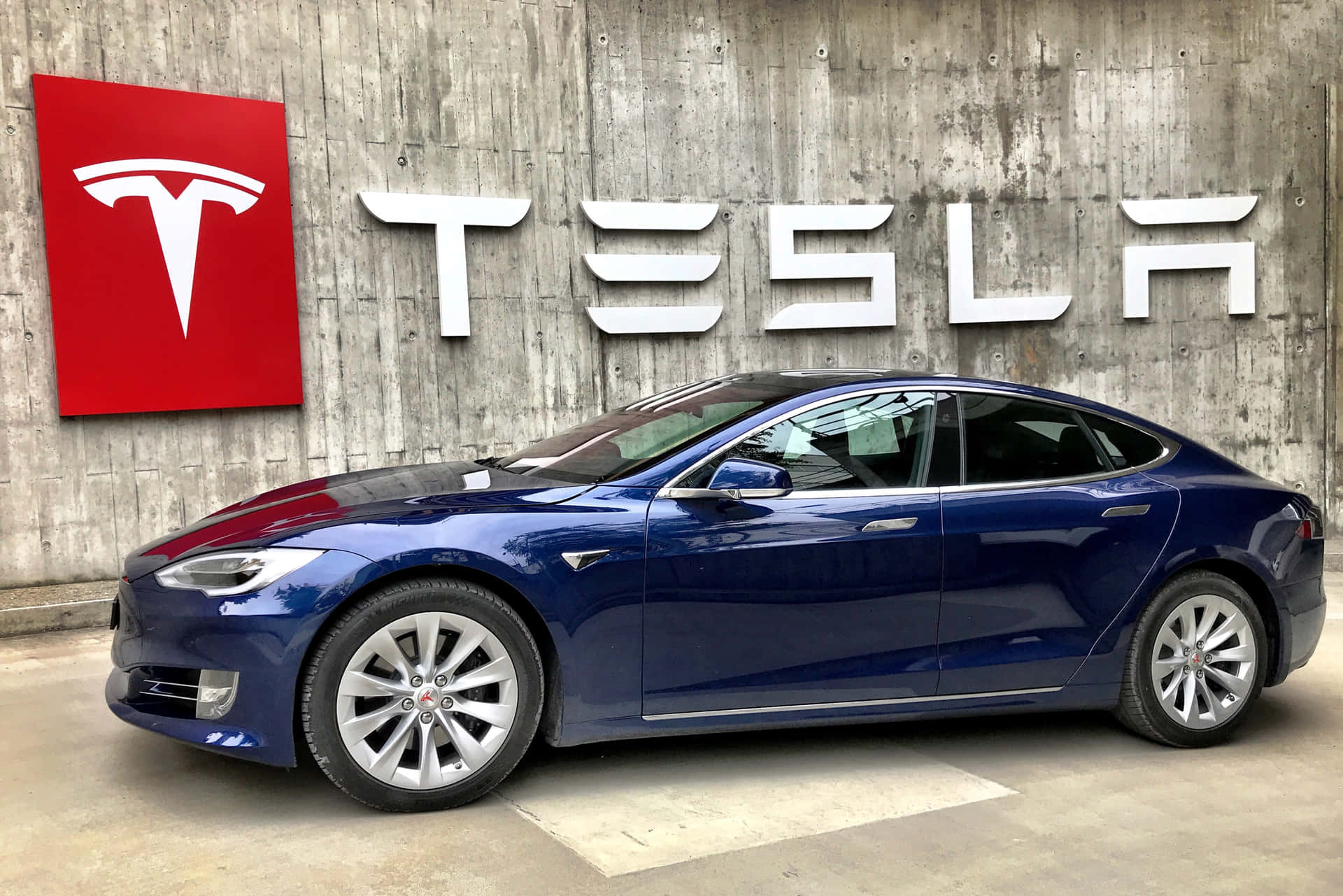
Navigating electric vehicle market leadership requires looking past public hype and examining core corporate communications. Tesla investor relations provides a direct window into how a high-growth manufacturer scales vehicle production, manages energy storage, and finances long-term technological bets. Understanding this disclosure ecosystem helps you track operational efficiency, capital allocation, and cash flow generation without relying on superficial market noise.
Publicly traded corporations must follow strict reporting guidelines, but Tesla structures its reporting package to highlight non-traditional performance indicators. Beyond standard net income and revenue figures, the company emphasizes automotive gross margins excluding regulatory credits, vehicle delivery volumes, and energy deployment metrics. Knowing how to parse these primary documents allows you to evaluate operational health and sustainable competitive advantages in the transport and energy sectors.
Decoding Quarterly Shareholder Letters
The quarterly shareholder letter acts as the executive summary of operational performance. Instead of waiting for lengthy regulatory filings, you can scan these concise updates for immediate metrics on production capacity, operating expenses, and free cash flow generation.
When you read a shareholder letter, focus on the operating margin trends rather than headline revenue growth alone. High capital expenditure requirements for factory expansions mean that short-term cash flow fluctuations are normal. Look closely at the production versus delivery delta; a wide gap signals inventory accumulation or logistics bottlenecks that tie up working capital.
- Automotive Gross Margin: Track this metric excluding regulatory credit sales to gauge core manufacturing efficiency.
- Operating Cash Flow: Monitor whether cash generation scales organically with vehicle delivery volume increases.
- Capital Expenditures: Evaluate investments in new Gigafactories, autonomous driving research, and energy storage infrastructure.
SEC Filings and Financial Statements
Quarterly Form 10-Q and annual Form 10-K filings provide audited financial depth that shareholder letters omit. These documents contain the detailed balance sheet, income statement, and statement of cash flows required for rigorous fundamental analysis.
Pay attention to the notes accompanying the financial statements. This is where management details debt obligations, warranty reserves, and restructuring costs. For a comprehensive overview of historical performance and governance, review official disclosures directly through the U.S. Securities and Exchange Commission.
Balance Sheet Resilience
Assessing debt maturity profiles and liquidity reserves prevents surprises during industry downturns. Review cash and cash equivalents against upcoming debt repayments and operational liabilities. A strong cash position ensures the company can fund research and development cycles independently without unfavorable credit market conditions.
Supply Chain and Inventory Metrics
Inventory turnover ratios reveal how efficiently raw materials convert into finished vehicles. In a capital-intensive manufacturing business, stagnant inventory ties up valuable capital and increases storage overhead. Compare raw material growth rates against projected delivery volumes to spot potential supply chain friction early.
Impact Reports and Sustainable Strategy
Modern corporate evaluation extends beyond traditional financial statements into environmental and social governance metrics. Tesla publishes detailed impact reports that quantify greenhouse gas emissions avoided through electric vehicle and solar energy adoption, alongside supply chain sourcing transparency.
Reviewing these disclosures helps you understand lifecycle emissions, battery recycling initiatives, and raw material sourcing ethics. You can access these sustainability disclosures directly on the Tesla Investor Relations Portal. These documents provide essential context for long-term investors tracking regulatory compliance risks and shifting consumer preferences toward sustainable supply chains.
Common Analytical Mistakes to Avoid
Many market participants misinterpret high-growth industrial data by focusing on isolated metrics. Avoiding these analytical pitfalls ensures a balanced perspective on corporate valuation and operational capability.
- Ignoring Energy Storage Growth: Treating Tesla solely as an automotive manufacturer ignores the rapidly scaling Megapack and energy storage segment, which often carries distinct margin profiles.
- Overweighting Regulatory Credits: Relying on quarterly net income figures that depend heavily on zero-emission vehicle credit sales can mask underlying core manufacturing profitability.
- Disregarding Capital Intensity: Failing to factor in continuous plant retooling and factory ramp-up costs leads to unrealistic short-term free cash flow expectations.
Frequently Asked Questions
Where can I find official financial earnings releases?
Official earnings releases, webcast links, and regulatory filings are hosted directly on the investor relations website. You can also sign up for email alerts to receive press releases immediately upon publication.
Why do analysts separate automotive gross margin with and without regulatory credits?
Regulatory credits represent government-mandated payments from other manufacturers. Excluding them reveals the true operational profitability of building and selling vehicles in a competitive open market.
How do energy storage deployments impact overall financial performance?
The energy storage segment involves deploying utility-scale battery systems like Megapacks. This business diversifies revenue streams away from consumer vehicle cycles and often benefits from different seasonal demand patterns.
What is the purpose of the annual impact report?
The impact report measures sustainability performance, lifecycle carbon offsets, supply chain labor practices, and recycling milestones to provide transparency for stakeholders focused on environmental metrics.



