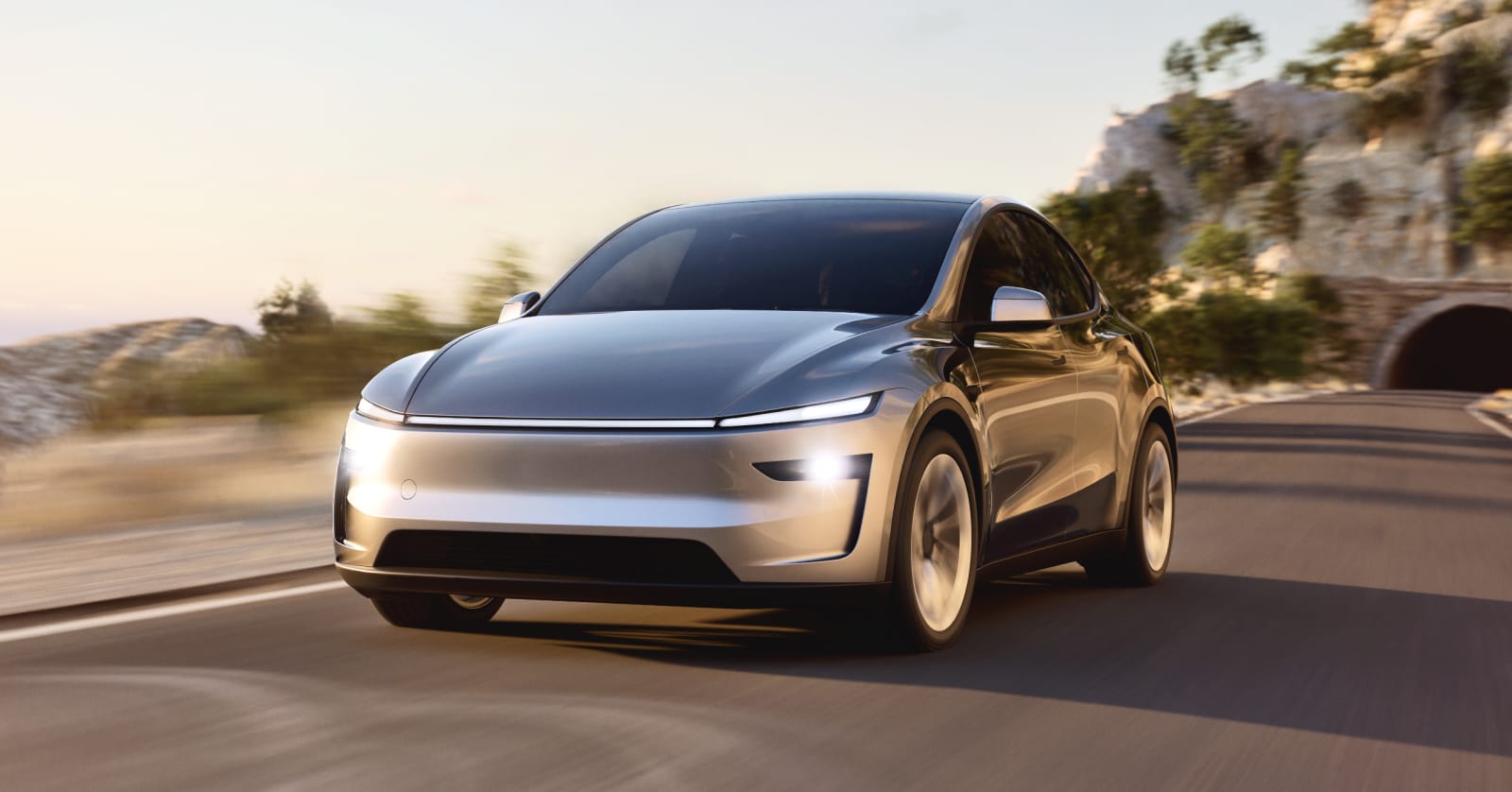
Gigafactory Texas spans over ten million square feet of floor space on a 2,100-acre plot in Travis County, operating as Tesla's corporate headquarters and primary U.S. manufacturing hub. Built as a multi-billion-dollar bet on localized, high-volume electric vehicle production, the facility houses vehicle assembly lines, structural battery cell manufacturing, and massive casting machines under one roof. It builds the Model Y crossover and the stainless-steel Cybertruck, serving as the blueprint for how modern automotive production is scaled from the ground up.
Understanding what happens inside this sprawling campus requires looking past the corporate hype and examining the physical layout, production processes, and workforce logistics. This facility isn't just an assembly plant; it's a vertically integrated ecosystem designed to compress supply chains and slash manufacturing costs.
Inside the Layout and Architecture of Giga Texas
The physical scale of the Austin plant defies traditional automotive design. Rather than spreading operations across disconnected buildings, Tesla consolidated stamping, casting, general assembly, and battery production into a single linear structure often called the "Cyberfactory."
- The Giga Press Zone: Massive IDRA casting machines stamp massive single-piece front and rear underbody sections of vehicles out of molten aluminum. This process eliminates hundreds of traditional robotic welds and complex stamped parts.
- The General Assembly Line: Running down the central spine of the building, the line merges battery packs directly into the vehicle's structural floor, turning the energy storage unit into a core load-bearing member of the car.
- The Central Paint Shop: Positioned strategically to feed painted bodies directly into the final trim and assembly lines without requiring external logistics or long transit loops.
By housing these sequential steps under one continuous roof, logistics waste drops significantly. Parts don't travel across states or multiple county lines; they move from one bay to the next via automated guided vehicles and overhead conveyors.
Vehicle Production Lines: Model Y and Cybertruck
Production inside the factory focuses heavily on high-demand, high-margin vehicle lines. The facility serves distinct roles for different models in the lineup.
Model Y Volume Manufacturing
The factory produces hundreds of thousands of Model Y units annually, primarily supplying the Eastern and Central United States. Utilizing structural battery packs and front/rear mega-castings, these lines achieve a high build rate per square foot compared to older legacy plants like Fremont.
Cybertruck Assembly Hub
Giga Texas is the exclusive home of the Cybertruck. Building an electric truck with an ultra-hard stainless-steel exoskeleton required custom tooling, unique laser-cutting stations, and specialized robotic welding cells that hadn't been deployed at scale in the automotive industry before. Workers and engineers had to design entirely new protocols for handling thick exterior panels that don't stamp like traditional stamped steel.
The 4680 Battery Cell Integration
A core pillar of the Austin strategy is localizing battery cell production. The facility integrates 4680 battery cell manufacturing lines designed to supply structural packs directly to the vehicle lines.
Producing cells on-site minimizes reliance on overseas supply chains and cuts transportation costs for heavy energy storage modules. While scaling the dry-electrode manufacturing technique for these cells proved difficult during initial launch phases, ongoing engineering iterations focus on ramping output to match vehicle assembly rates.
Workforce, Logistics, and Regional Impact
Operating a manufacturing hub of this size requires a massive labor force. Employment at the site surpassed 16,000 workers, ranging from robotics technicians and automation engineers to logistics coordinators and quality control specialists.
The facility relies heavily on rail connections linked to major freight lines, allowing raw materials to enter the property and finished vehicles to depart via rail car directly to regional distribution hubs across North America. This rail integration reduces highway truck congestion around Travis County and accelerates delivery times to dealerships and direct-to-consumer buyers.
Common Misconceptions About Giga Texas
- Myth: The factory is completely automated. While robotics handle heavy lifting, welding, and material transport, thousands of human operators manage quality assurance, final trim adjustments, and complex line maintenance.
- Myth: All vehicles built here use 4680 cells. Production runs utilize a mix of cell formats depending on the specific model variant, regional battery supply agreements, and chemistry requirements.
- Myth: The facility only builds cars. Beyond vehicle manufacturing and corporate offices, the campus serves as a testing ground for automated manufacturing software and factory-floor AI integration.
Frequently Asked Questions
How large is Gigafactory Texas?
The main building spans over 10 million square feet of floor area situated on a 2,100-acre site along the Colorado River in Austin, Texas.
Which vehicles are currently built at Giga Texas?
The factory primarily builds the Model Y crossover and the Cybertruck, alongside ongoing preparations for next-generation vehicle platforms.
Why did Tesla choose Austin for this factory?
Austin offered central geographic positioning in the United States, favorable local tax incentives, access to a deep local engineering talent pool, and proximity to major interstate and rail transit corridors.
Does Giga Texas manufacture its own batteries?
Yes, the facility includes dedicated production lines for manufacturing Tesla energy storage and 4680-type cylindrical battery cells intended for integration into structural vehicle packs.



