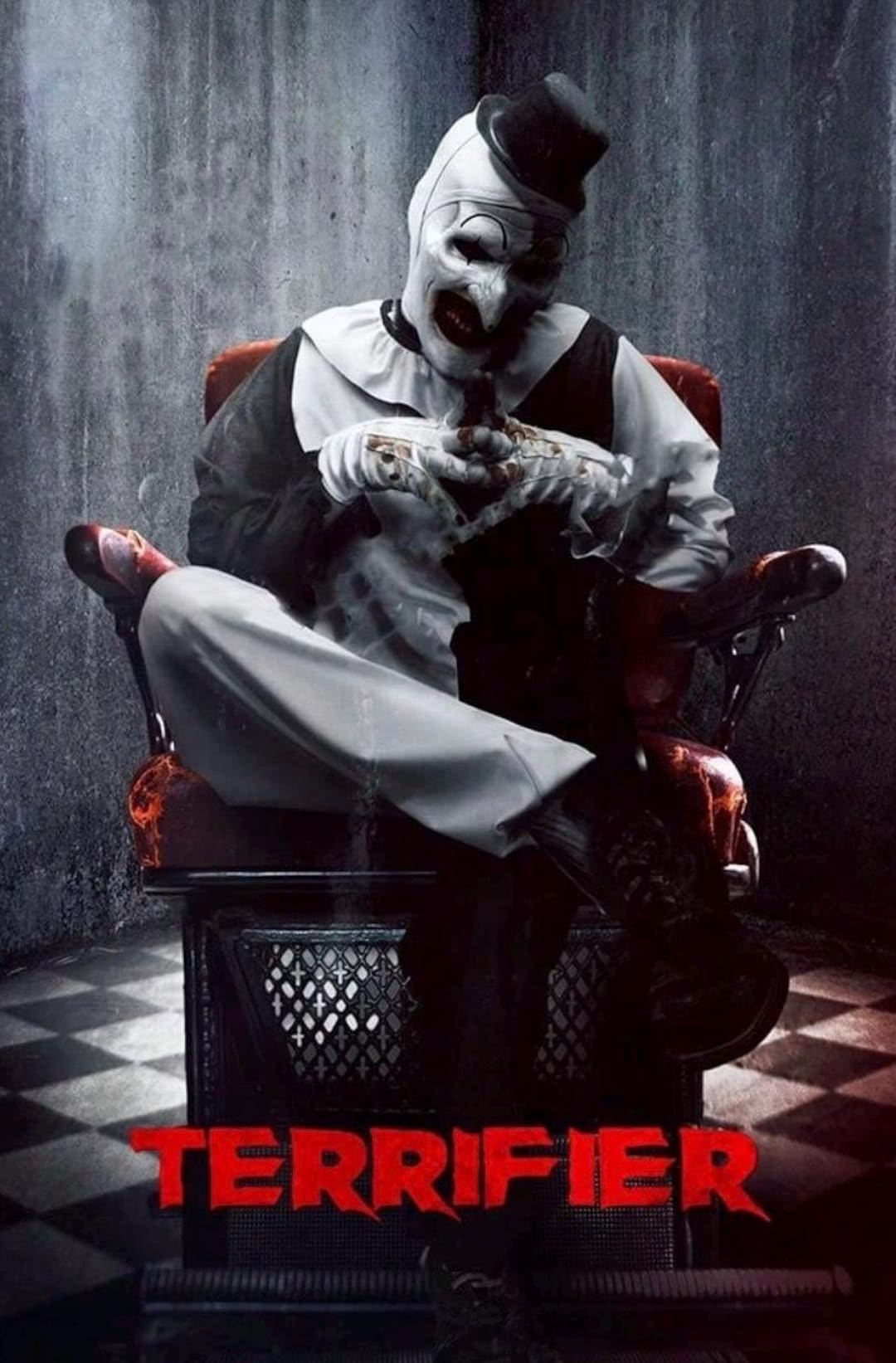
You shouldn't let your teenager watch Terrifier without knowing what's inside. This 2016 slasher film earned a reputation for extreme, uncompromised violence. When your teenager asks to watch it because of social media hype, you need clear facts to make an informed choice. We'll break down the content, the psychological impact, and how to talk about extreme media.
The primary keyword for this topic is The Terrifier 1 Parents Guide, which addresses whether this unrated slasher movie is suitable for adolescents. Search intent here is purely informational and protective. Parents want to know the specific content triggers—like gore, sadism, and language—so they can set household media boundaries. Many online summaries skip practical enforcement steps, leaving parents guessing about how to handle curious teens.
Content Breakdown: What is Inside Terrifier
Terrifier follows Art the Clown as he terrorizes people on Halloween night. Unlike supernatural horror movies that rely on ghosts, this film focuses entirely on human-perpetrated torture and butchery.
The movie features intense, prolonged scenes of physical mutilation. You won't find standard cinematic jump scares here. Instead, the director builds tension around drawn-out, sadistic cruelty. If your child struggles with blood, gore, or depictions of severe physical trauma, this film will cross their personal boundaries quickly.
Language in the script includes frequent profanity and harsh insults. There are also brief references to sexual content and nudity, though physical violence remains the dominant theme throughout the runtime.
Why Teens Seek Out Extreme Horror
Teens often want to watch extreme films for social validation. Friends talk about these movies online, and platforms like TikTok or YouTube feature clips that make the violence look shocking or funny. It's a rite of passage for many adolescents to test their emotional limits.
Curiosity about taboo subjects naturally peaks during teenage years. When a movie gets labeled as too intense to watch, it instantly becomes magnetic. You can't just say no without explaining the context, or your teen might seek it out behind your back.
Assessing Your Child's Readiness
Every teenager processes scary media differently. A mature seventeen-year-old might watch a slasher film as a technical display of special effects makeup. A younger or more sensitive teen might experience lingering anxiety, sleep issues, or intrusive thoughts.
Check these three indicators before making a decision:
- Look at past reactions to mild horror or thriller films. If standard PG-13 thrillers cause nightmares, extreme slashers aren't a safe step.
- Evaluate their ability to separate fantasy from reality. Do they understand practical effects and makeup, or do depictions of injury cause genuine distress?
- Notice if they can talk through media constructively or if they obsess over disturbing imagery.
For official guidance on media ratings and content descriptors, check the Motion Picture Association or the Common Sense Media database for age-appropriate breakdowns.
Practical Steps for Setting Media Boundaries
You need clear rules that don't invite endless arguments. Start by setting boundaries well before a movie night begins. If you decide to allow mature viewing, watch the movie together so you can pause and discuss what's happening on screen.
Don't rely solely on streaming service filters. Many platforms list unrated horror in standard libraries without adequate content warnings. Check independent review sites that detail specific triggers scene by scene.
If your teen insists on watching horror, redirect them toward creative, suspenseful alternatives that don't rely on gratuitous torture. Movies like Coraline or Monster House offer eerie atmospheres and spooky storylines without the graphic carnage.
Common Mistakes Parents Make
Parents often make mistakes when handling controversial media requests. Avoid these common traps to keep communication open:
- Banning the film outright without explanation, which triggers rebellion and secretive viewing habits at friends' houses.
- Mocking your teenager's curiosity, which shuts down future conversations about media or mental health concerns.
- Overreacting to fictional violence while ignoring real-world digital safety risks like cyberbullying or harmful online communities.
- Forgetting to check physical media or digital rentals before handing over device controls.
Frequently Asked Questions
Is Terrifier rated R?
The original Terrifier movie was actually released unrated due to the extreme nature of its violence. Most streaming platforms and digital storefronts restrict it to adult audiences only.
Why is Art the Clown so popular with teens?
Short-form video clips turn the character into a viral meme. Teens see the visual style without witnessing the full context of the brutal scenes, making the character look quirky rather than horrifying.
What should I do if my child already watched it in secret?
Stay calm and ask open-ended questions about how they felt during the movie. Reassure them that feeling disturbed is a normal reaction to graphic content, and help them process any lingering stress.
Are there milder horror alternatives for teens?
Yes. Many films deliver great scares through suspense and mystery. Look for PG-13 psychological thrillers or classic monster movies that build tension without explicit gore.



