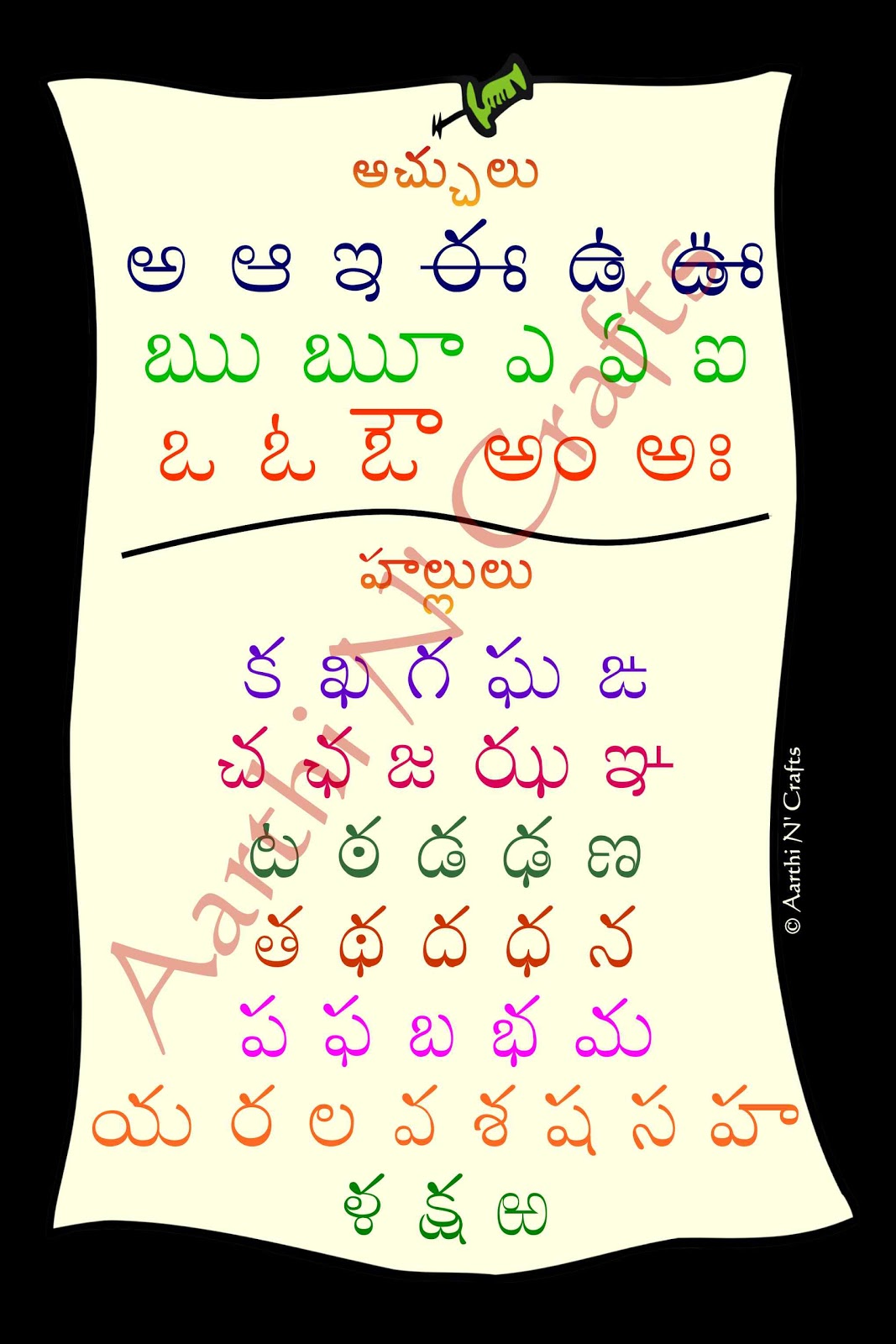
The Dallas-Fort Worth metroplex is home to one of the most vibrant and rapidly expanding Telugu diasporas in North America. For tens of thousands of families living across Frisco, Plano, Irving, and Carrollton, staying connected to roots thousands of miles away depends heavily on the traditional lunisolar timeline. The Telugu calendar in Dallas functions as much more than a tracker of dates; it acts as the primary anchor for community gatherings, religious observances, and massive cultural celebrations that keep heritage alive in Texas.
Coordinating traditional events across different time zones requires precision. While astronomical calculations originate in Andhra Pradesh and Telangana, local community leaders adjust observances to fit Central Standard Time and weekend schedules so that families can participate fully. Whether it is marking the arrival of Ugadi in spring or organizing grand bathukamma and Dasara festivities in autumn, the local calendar bridges the gap between ancient traditions and modern American lifestyles.
Understanding the Telugu Lunisolar System in Dallas
The traditional Telugu calendar combines solar movements with lunar phases, creating a system where festival dates shift every year relative to the Gregorian calendar. Months begin with the new moon (Amavasya) or full moon (Pournami) depending on the regional tradition followed.
For residents in Dallas, tracking these shifts requires consulting specialized local panchangams. Because the International Date Line and time zone differences shift specific tithis (lunar days), an event falling on a Tuesday morning in India might begin late Monday night in Texas. Local temples and cultural organizations regularly publish adjusted timings to help families perform pujas during the exact auspicious windows (muhurthams).
- Chaitra Shukla Paksha: Marks the beginning of the new year with Ugadi.
- Shravana Maasam: Dedicated to Goddess Lakshmi and family prosperity, featuring Varalakshmi Vratam.
- Kartika Maasam: A holy month filled with Deepam lighting, Karthika Somavaralu, and outdoor community picnics.
Major Cultural Celebrations Anchored by the Calendar
Several cornerstone festivals dictate the rhythm of social life for the Dallas Telugu community. These events transform local community halls, temples, and suburban parks into extensions of villages in Godavari or Rayalaseema districts.
Ugadi: The Telugu New Year
Ugadi serves as the cultural reset button for the community. Families wake up before sunrise, clean their homes, and draw intricate rangolis at their entryways. The day centers around consuming the traditional Ugadi Pachadi, a unique mixture of six distinct tastes—sweet, sour, salty, bitter, tangy, and spicy—representing the diverse experiences of the year ahead. In Dallas, local associations organize mega-cultural programs featuring classical dance recitals, literary discussions, and musical concerts featuring artists flown in from Hyderabad.
Varalakshmi Vratam and Shravana Masam
During the monsoon-aligned month of Shravana, the community observes numerous fasts and prayers. Varalakshmi Vratam stands out as a major household celebration where married women gather to pray to Goddess Lakshmi for the health and well-being of their families. Homes fill with the scent of jasmine flowers and freshly prepared prasadam like bobbatlu and Paramannam. Temples across the DFW area see massive foot traffic, with volunteers organizing community kumkum archana sessions.
Bathukamma and Dasara
Autumn brings the state festival of Telangana, Bathukamma, to life across North Texas. Women arrange vibrant, colorful seasonal flowers in concentric layers into conical shapes, singing traditional folk songs and moving in rhythmic circles around the floral stacking. This is closely followed by Dasara celebrations, where community groups stage the Ramayana and organize grand get-togethers. The scale of these events in suburban parks demonstrates how deeply the diaspora values passing these traditions to children born and raised in Texas.
How Local Associations and Temples Keep Traditions Alive
Maintaining a connection to the calendar takes organized effort. The Dallas-Fort Worth area boasts active community bodies like the Telugu Association of North Texas (TANTEX) and Austin-style regional networks that coordinate large-scale public events.
Temples in Plano, Irving, and other hubs serve as community epicenters. They distribute physical and digital panchangams, host weekly devotional classes, and conduct mass celebrations for events like Maha Shivaratri, Sri Ramanavami, and Vinayaka Chavithi. When a festival falls on a working weekday—such as a Thursday Vinayaka Chaturthi—local temples often host weekend community celebrations to ensure maximum participation without compromising professional and school obligations.
Common Challenges in Practicing Traditions Abroad
Following a traditional calendar thousands of miles from its origin point presents unique hurdles for expatriate families.
- Time Zone Confusion: Determining exact fasting start times and ending periods (parana) requires converting Indian Standard Time to Central Standard Time accurately.
- Weekday Observances: Many key vratams and pujas fall on standard working days, forcing families to balance career commitments in corporate offices with religious rituals.
- Sourcing Authentic Materials: Finding specific seasonal flowers, leaves (like mango leaves or specific grass varieties for pujas), and ritual items can require long drives to specialized ethnic grocery stores in the metroplex.
Practical Steps for Following the Calendar in Dallas
Families moving to the area or looking to engage deeper with the community can adopt a structured approach to stay aligned with cultural events.
- Secure a Local Panchangam: Download digital panchangapps or acquire printed calendars specific to North American time zones to avoid timing errors during major fasts.
- Connect with Regional Networks: Register with local Telugu associations to receive newsletters detailing upcoming cultural meetups, youth language classes, and festival schedules.
- Engage with Neighborhood Temples: Establish a relationship with a nearby Hindu temple to participate in group pujas, which often provide prasadam and community support during major festivals.
- Plan Weekend Adaptations: Coordinate flexible celebrations with family and friends by shifting large feasts or social gatherings to the nearest weekend while keeping core prayers tied to the authentic date.
For more details on community gatherings and regional programs, you can explore the Telugu Association of North Texas or check local listings on Eventbrite Dallas.
Frequently Asked Questions
How do Dallas residents adjust festival dates for the time zone difference?
Most families rely on panchangams calculated specifically for North American longitudes and latitudes. When a tithi begins late in the evening in India, it often translates to morning or afternoon in Dallas, shifting the primary puja window accordingly.
Where are the largest Telugu community gatherings held in Dallas?
Major events, concerts, and cultural festivals take place in rented community centers, high school auditoriums, and large Hindu temples situated across Frisco, Plano, Irving, and Garland.
Are Telugu calendar apps accurate for use in Texas?
Yes. Modern digital panchangam applications allow users to set their precise geographic location to Dallas, automatically converting planetary positions, sunrise times, and moonrise data to Central Time.
How do working parents manage fasting days that fall on weekdays?
Many working professionals perform morning pujas before heading to their jobs, keeping partial fasts during the day, and completing evening rituals or breaking fasts with family members once everyone returns home.



