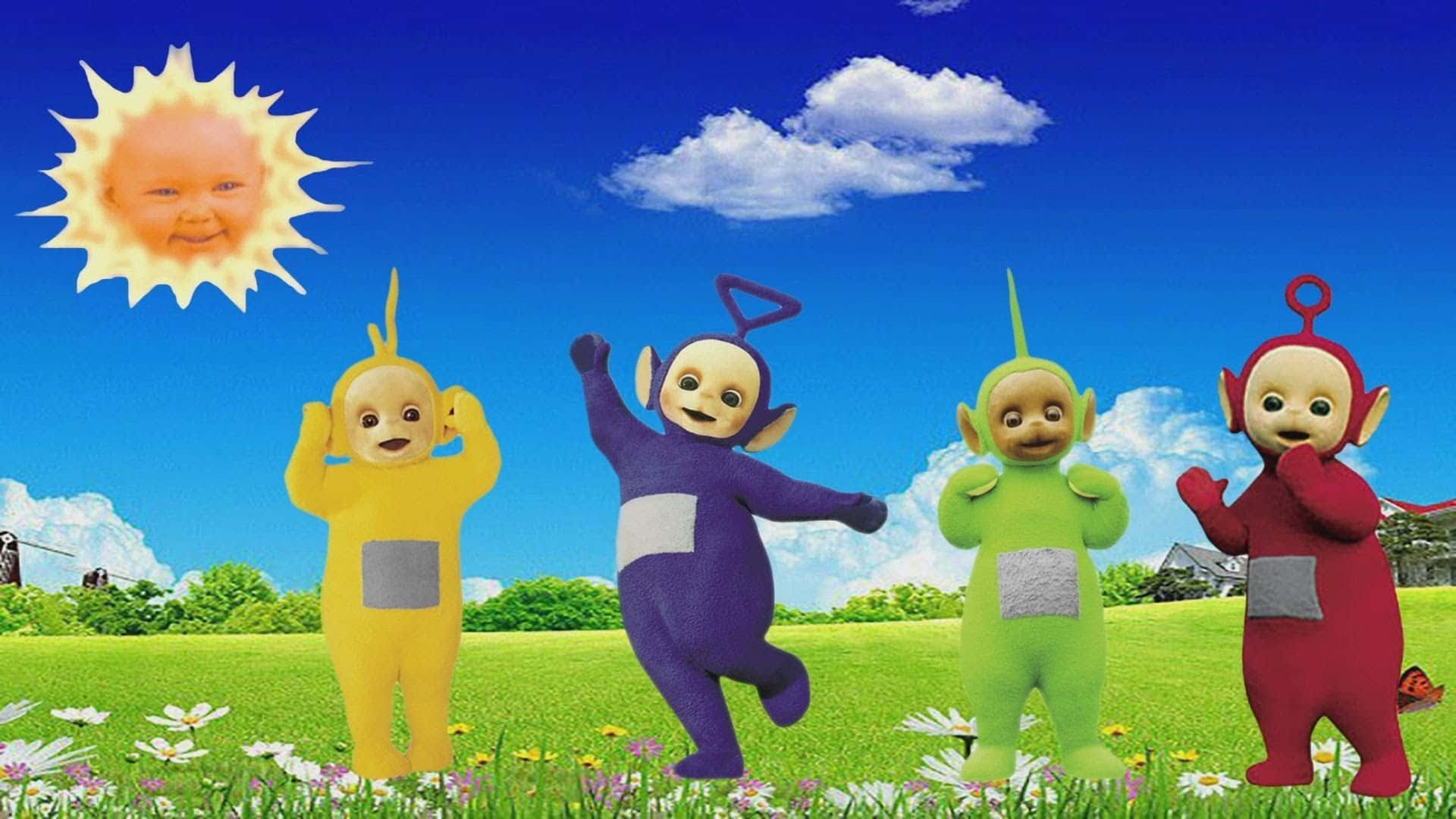
When the bright green hills of Teletubbyland first flashed across television screens in the late nineties, millions of children tuned in every day. Behind the colorful, plush costumes and high-tech belly screens stood a dedicated group of physical performers and voice actors. Understanding who brought Tinky Winky, Dipsy, Laa-Laa, and Po to life requires looking past the oversized suits to see the real artists who shaped a global preschool phenomenon.
The original series relied heavily on physical theater, heavy costume management, and precise coordination. The suits were massive, often trapping stifling heat, which meant the performers had to navigate complex choreography inside heavy fur-covered frames while listening to audio cues through hidden earpieces.
The Original Four: Meet the Actors Inside the Suits
Bringing the core crew to life required performers with backgrounds in dance, mime, and theater. Because the characters communicated in simple phrases and expressive movements, body language carried the entire performance.
Tinky Winky: Dave Thompson, Mark Heenehan, and Simon Shelton
The purple, handbag-carrying eldest Teletubby was initially played by comedian and actor Dave Thompson during the first series. Thompson left the production early on due to creative differences regarding how the character was interpreted. Following his departure, Mark Heenehan stepped in briefly, before Simon Shelton took over the role for the majority of the original run. Shelton, a trained ballet dancer and choreographer, brought a graceful physical presence to Tinky Winky, helping solidify the character's iconic status. Shelton passed away in 2018, leaving behind a legacy recognized by nostalgic fans worldwide.
Dipsy: John Simmit
The green, cow-patterned hat-wearing Teletubby with the straight antenna was played by John Simmit. Simmit was a stand-up comedian and DJ when he auditioned for the role. He injected a distinct swagger and comedic timing into Dipsy, making him stand out as the coolest member of the group. Off-screen, Simmit has continued his career in entertainment as a comedian, music producer, and promoter.
Laa-Laa: Nikky Smedley
The yellow, ball-loving Teletubby was brought to life by Nikky Smedley. Smedley was working as a professional dancer when she saw a tiny classified advertisement looking for people willing to dance inside animal costumes. Her background in movement allowed Laa-Laa to express boundless joy, empathy, and high-energy playfulness. After her time on the show wrapped, Smedley transitioned into television choreography, direction, and working with children's media development.
Po: Pui Fan Lee
The small, red, scooter-riding youngest Teletubby was played by Pui Fan Lee. Lee brought a youthful, eager personality to Po, who spoke in a soft voice and loved jumping around Teletubbyland. Unlike some of her co-stars, Lee remained heavily visible in British children's television after the show ended, notably presenting on the BBC children's block CBeebies and starring in other early-childhood programming like Show Me Show Me.
Supporting Cast and Iconic Voice Roles
While the main four characters drove the narrative, the world of Teletubbyland featured several recurring secondary characters and voice actors who defined the surreal atmosphere.
- The Sun Baby: In the original series, the giggling infant opening and closing every episode was played by Jess Smith. Smith was just nine months old when her grandfather made her laugh by looking off-camera with a teddy bear. For years, her identity remained a fun piece of pop culture trivia until she publicly confirmed her role as an adult.
- The Noo-Noo: The vacuum cleaner that zipped around the home dome cleaning up messes was operated physically on set, with vocal effects provided by various sound designers, including Mark Dean.
- The Narrators: The reassuring voice guiding viewers through the episodes differed by region. In the United Kingdom, actor Tim Whitnall narrated the gentle story segments, while American audiences heard the voice of Rolf Saxon.
The Technical Challenges of Filming
Working inside the Teletubbies costumes was physically demanding. The suits stood over nine feet tall in some cases, weighing significantly more than standard wardrobe items.
Performers couldn't see directly ahead through the faces of the characters; instead, they relied on tiny monitors placed inside the chests of the suits, viewing the world through low-resolution camera feeds. Filming took place in a specially planted Warwickshire field where real rabbits and heavy machinery had to coexist with the cast under tight broadcasting schedules.
Evolution in the Reboot Era
When the franchise returned to television screens via a modern revival, a fresh generation of physical performers stepped into the iconic roles to introduce the characters to a digital-age audience.
- Tinky Winky was played by Jeremiah Krage.
- Dipsy was played by Nick Kellington.
- Laa-Laa was played by Rebecca Hyland.
- Po was played by Rachelle Beinart.
This newer iteration incorporated modern elements like the Tubby Phone and updated digital visual effects while preserving the gentle pacing and tactile feel that made the original run a household staple tracked by cultural archives like the British Film Institute.
Frequently Asked Questions
Did the actors actually speak inside the costumes?
No. The dialogue and vocalizations heard on screen were recorded separately during post-production voice sessions. Inside the heavy suits, performers focused entirely on physical movement, choreography, and timing while listening to audio tracks through integrated earpieces.
Why did the original Tinky Winky actor leave the show?
Dave Thompson departed the series due to creative differences with the production company regarding how the character's persona should be portrayed. The production team wanted a specific childlike innocence, which led to a mutual decision to part ways before Mark Heenehan and later Simon Shelton took over the role.
Who owned the famous red scooter?
Po's scooter belonged to the character within the show's narrative, but physical props were managed by the prop department, with multiple backup scooters built to withstand heavy outdoor usage during rigorous shooting days in the grass fields.
Are the original episodes still broadcast today?
Yes. The original series continues to air through syndication and streaming platforms worldwide, maintaining a steady cross-generational fanbase that spans nostalgic adults and new waves of young children.


