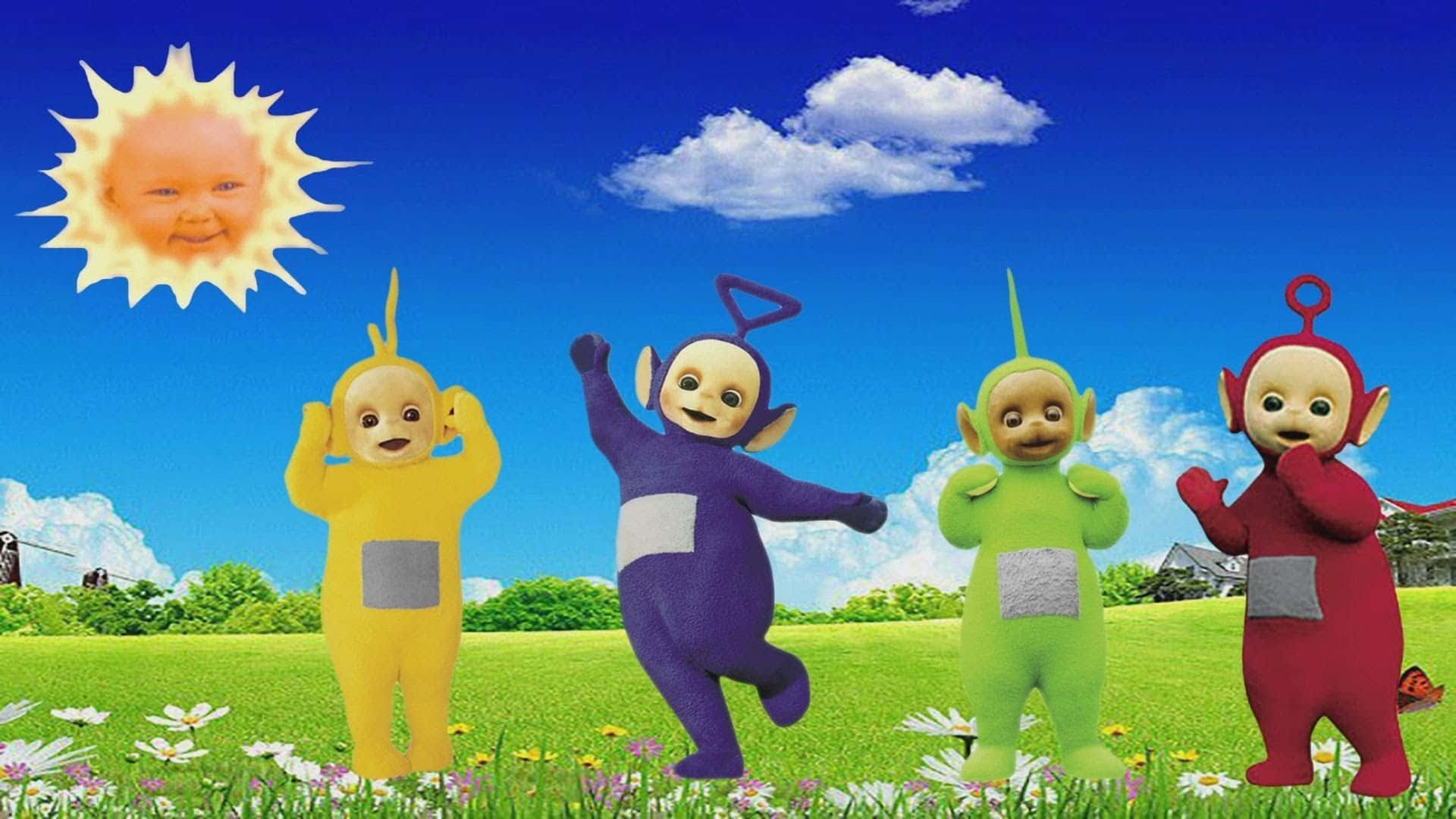
When the BBC broadcast the first episode of Teletubbies in March 1997, media critics didn't know what to make of four giant, colorful creatures wandering a surreal green hill with television screens on their bellies. Created by Anne Wood and Andrew Davenport through Ragdoll Productions, the show targeted young toddlers using repetition, bright primary colors, and gentle sounds. Beneath the simple exterior lay a complex production feat involving massive costumes, physical endurance, and a cast of performers who gave life to characters that would eventually span multiple generations.
Understanding why these characters endure requires looking past the nostalgia and examining the human cast inside the heavy suits, the rigorous production constraints, and how the original team handled global fame, controversy, and a major revival decades later.
The original cast inside the suits
Bringing Tinky Winky, Dipsy, Laa-Laa, and Po to life wasn't just a matter of voice acting. The performers spent hours inside heavy, airtight suits under scorching studio lights or out on a windy Warwickshire farm. Because the characters were scaled to look like toddlers next to real rabbits, the costumes had to be immense—ranging from 8 to 10 feet tall.
- Tinky Winky: The largest and oldest of the group, notable for his purple color, triangular antenna, and red handbag. He was originally played by Dave Thompson, a comedian who left the show in 1997 due to creative differences. Mark Heenehan stepped in briefly, followed by Simon Shelton, a trained ballet dancer and choreographer whose background helped give Tinky Winky his graceful, sweeping movements.
- Dipsy: The lime-green second Teletubby, known for his straight, dipstick-shaped antenna and his cow-print top hat. Dipsy was played by John Simmit, a stand-up comedian and DJ who brought a distinct swagger and stubborn streak to the character.
- Laa-Laa: The yellow, sweet-natured third Teletubby with a curly antenna and an obsession with her large, bouncy orange ball. Nikky Smedley, a dancer and choreographer, portrayed Laa-Laa, injecting maternal warmth and high-energy playfulness into her movements.
- Po: The smallest, red Teletubby with a circular antenna shaped like a bubble-blowing wand. Po was played by Pui Fan Lee, an actress who later became a prominent presenter on CBeebies. Po often spoke a mix of English and Cantonese for counting and rode a blue-and-pink scooter.
Physical challenges and behind-the-scenes realities
The scale of the production created logistical hurdles that modern children's television rarely encounters. The suits were hot, heavy, and difficult to ventilate. Early versions lacked internal seating, meaning performers had to be unzipped and hoisted out of their costumes during long breaks. For the 2015 revival, producers implemented upgrades, including hidden collapsible seats inside the costume bases so actors could rest between takes without removing the heavy gear.
The set itself was an engineering trick. The interior of the Tubbytronic Superdome was built inside Twickenham Studios as a massive inflatable tent. At the end of every shooting day, the air pumps were turned off, and the entire dome collapsed onto the floor until the next morning. Exterior shots were filmed on a private farm in Warwickshire, which eventually saw so many trespassing fans trying to catch a glimpse of the set that the landowners dug a massive pond over the iconic rolling hills to deter sightseers.
Cultural impact and controversies
Few preschool shows attracted the level of intense public scrutiny that Teletubbies faced at its peak. In 1999, high-profile media figures and commentators argued that Tinky Winky's traits—his purple color, triangular antenna, and habit of carrying a red bag—sent improper cultural signals. Creators like Anne Wood pushed back firmly, pointing out that the character was simply a gender-neutral toddler exploration of joy and dress-up play.
Despite the noise, the show's merchandising juggernaut sold tens of millions of videos worldwide, and its catchphrases became global shorthand for early childhood television. Even law enforcement agencies noted its cultural saturation; in the early 2000s, applicants to specialized branches of the Metropolitan Police were tested on their knowledge of the four character names as part of a general awareness assessment.
The 2015 revival and passing the torch
When BBC Worldwide commissioned a revival series in 2015, the production team faced the challenge of updating a 90s classic for high-definition screens without losing the handmade texture that made the original work.
New performers stepped into the suits:
- Nick Kellington took over as Dipsy.
- Jeremiah Krage assumed the role of Tinky Winky.
- Rebecca Hyland played Laa-Laa.
- Rachelle Beinart played Po.
The reboot also introduced modern elements, such as the Tubby Phone and the Tiddlytubbies—eight baby characters living in a dedicated nursery wing of the dome. Original costume designers were brought out of retirement to ensure the physical proportions and tactile feel matched audience expectations from two decades prior.
Frequently asked questions
Who was the baby in the sun at the beginning of the show?
The giggling infant rising over the horizon was Jess Smith, who was nine months old when her health visitor recommended her to the production team. Her identity remained largely private until she publicly revealed her role years later while studying dance at university.
How tall were the Teletubbies in real life?
Because the costumes were built to oversized toddler proportions, the actors worked inside massive shells. Tinky Winky stood roughly 10 feet tall, Laa-Laa stood 8 feet 6 inches, Dipsy reached 8 feet, and Po was about 6 feet tall.
Who voiced the Voice Trumpets?
The bizarre periscope-like speakers that rose from the ground to issue commands or sing nursery rhymes were voiced by various actors across the run, including toy designer and performer Toyah Willcox, actor Jim Broadbent, and presenter Fearne Cotton.
Why did the original Tinky Winky actor leave the show?
Dave Thompson, the stand-up comedian who played Tinky Winky for the first series, parted ways with Ragdoll Productions in 1997 after producers decided his interpretation of the character did not align with the specific toddler-like behavior they wanted to project. He was replaced by Simon Shelton.


