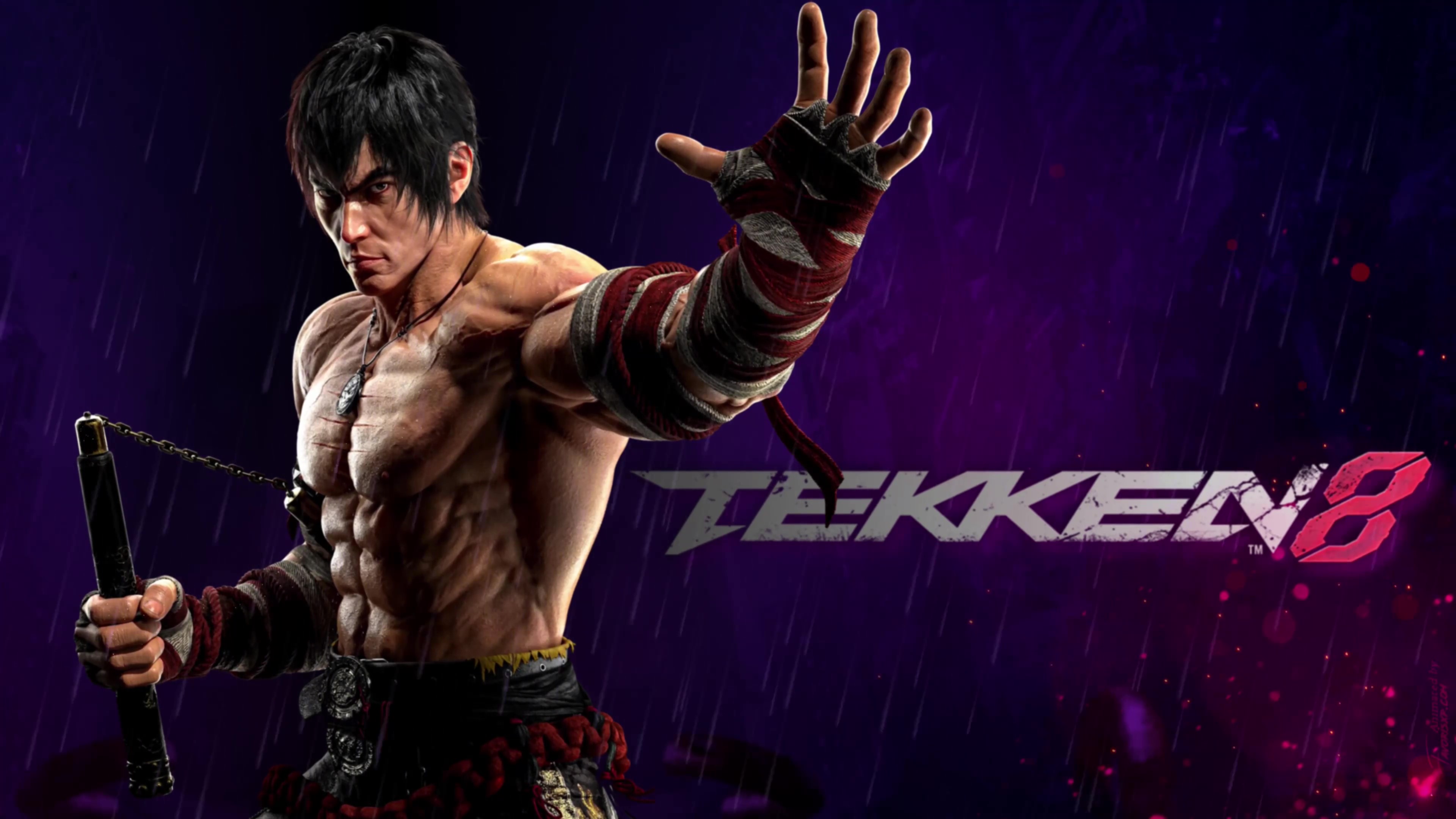
Released by Namco in 1995 for arcades and ported to the PlayStation in 1996, Tekken 2 arrived at a pivotal time for the arcade industry. While its predecessor established 3D fighters as a viable commercial threat to sprite-based giants like Street Fighter II, this sequel refined the physics, expanded the roster, and laid foundational mechanics that shaped the entire franchise.
If you're looking to understand how this 32-bit classic evolved beyond a simple graphical update, you'll find that its changes to movement, character differentiation, and sound design created a distinct competitive identity. Let's break down how the game functioned, why its roster mattered, and what it left behind for modern sequels.
Core Gameplay Mechanics and Engine Upgrades
The original Tekken felt stiff, relying on block-heavy fundamentals and rigid movement. Tekken 2 introduced a smoother engine running on Namco System 11 hardware, altering how physical space and momentum worked in a 3D plane.
Fluid Movement and Sidestepping
While true full-axis sidestepping didn't hit its stride until later entries, this sequel experimented heavily with background and foreground evasion. Characters could shuffle or duck under specific high attacks with greater reliability.
- Backdashes: Recovery frames on backdashes were tweaked, allowing players to create spacing traps.
- Jumping Physics: Air recovery options were introduced, letting players minimize the devastating punishment of getting caught mid-air.
Command Throws and Reversals
The introduction of universal and character-specific command grabs changed neutral play. Grapplers like King gained multi-part throw chains that required precise break inputs, forcing opponents to react quickly. Meanwhile, defensive specialists like Paul Phoenix and Jinpachi's predecessors refined parry and reversal timings, turning defense into an immediate offensive threat.
Expanding the Iron Fist Roster
The roster ballooned from 17 fighters to over 25 playable characters, introducing fan favorites that defined the series' lore. Instead of simple palette swaps, Namco gave new combatants distinct martial arts disciplines.
* Jun Kazama: Introduced fluid aikido-based striking and defensive parries.
* Baek Doo San: Brought rapid-fire taekwondo kicks and string pressure.
* Roger and Alex: Added humorous, unconventional kangaroo and raptor hitboxes.
* Devil / Angel: Provided transformed variants with projectile lasers and flight mechanics.
The narrative stakes also shifted. Kazuya Mishima moved into a villainous primary antagonist role, setting up the tragic generational conflict with Heihachi Mishima and introducing the supernatural lore surrounding the Devil Gene.
Sound Design and Atmospheric Identity
A major reason the sequel resonated so deeply in smoky arcades was its audio-visual presentation. Sound designer Yoshie Arakawa and the sound team crafted two distinct soundtracks—the arcade synth-rock tracks and the arranged PlayStation CD tracks.
The stage music didn't just play in the background; it mirrored the environmental hazards and lighting. Stages featured dynamic elements like muddy floors, dark dojos, and rooftop rain effects that pushed the PlayStation hardware to its limits during home ports. The iconic announcer voice, heavy bass drops on counter-hits, and distinct bone-crunching sound effects gave hits a visceral weight that competitors struggled to match.
Common Misconceptions About the Meta
Many modern players look back at retro fighters through rose-tinted glasses, assuming older balance was pure. In reality, the meta was notoriously volatile.
- The Unbalanced Boss Encounters: Fighting Devil or Kazuya at the end of the arcade ladder often involved dealing with frame data that heavily favored the CPU, leading to cheap laser spam.
- Infinite Combos: Certain characters possessed infinite block-stuns or wall loops that casual players couldn't escape without deep knowledge of frame traps.
- Clone Roster Criticism: While characters like Jack-2 and Prototype Jack or Lee Chaolan and Marshall Law shared base skeletons, their frame data differences were frequently misunderstood by casual players who wrote them off as simple clones.
For those interested in exploring historical arcade hardware and preservation efforts, resources like StrategyWiki's Tekken 2 Guide offer granular move lists and frame data breakdowns.
Frequently Asked Questions
Can you play Tekken 2 on modern hardware?
Yes. Namco has re-released the game multiple times through backwards compatibility features on the PlayStation 3, PlayStation Portable, and as part of classic emulation bundles on modern PlayStation Plus tiers.
How did Tekken 2 differ from the original game?
It featured pre-rendered character models, smoother frame rates, double the audio quality via CD-format arrangements, and a massive roster expansion that introduced characters like Jun Kazama and Baek Doo San.
Was Tekken 2 balanced for competitive play?
By modern esports standards, no. It suffered from high-tier dominance, unavoidable throw loops, and unbalanced character matchups, though it established the foundational framework for competitive tournament play that Tekken 3 later perfected.



