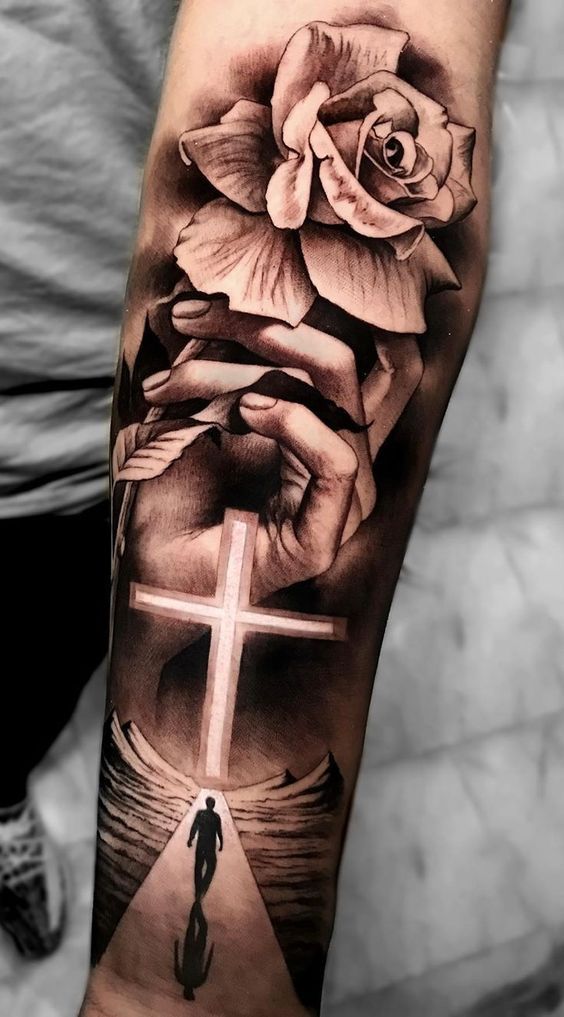
Getting a new piece of body art is exciting, but feeling completely wiped out the next day can catch you off guard. If you're experiencing chills, body aches, and fatigue after a long session in the chair, you might be dealing with tattoo flu. This short-term immune response happens because your body perceives the extensive needle punctures as a major injury, triggering system-wide inflammation as it works to repair the skin.
While it isn't an actual viral infection, the physical stress of prolonged needling, combined with dehydration or lack of sleep, can leave you feeling genuinely sick. Knowing what's happening beneath your skin helps you distinguish a normal immune reaction from a dangerous bacterial infection.
What Causes Tattoo Flu?
Your skin is your body's primary protective barrier. When a tattoo machine punctures that barrier thousands of times per minute, white blood cells rush to the site to fight off perceived foreign intruders and heal the trauma. This heavy immunological workload doesn't stay localized in your arm or leg; it floods your entire system with inflammatory signals.
Several distinct triggers make this systemic reaction more likely:
- Extended session times: Sitting for four or five hours straight forces your body to process a massive amount of physical trauma all at once.
- Large surface areas: Solid blackwork, dense shading, or massive back pieces demand a much larger healing effort than a tiny line-art symbol.
- High-stress placements: Areas with thin skin and close proximity to bone, such as ribs, feet, or the spine, create intense physiological stress.
- Pre-existing fatigue: Walking into a shop while sleep-deprived, under-nourished, or dehydrated leaves your immune system ill-prepared for the shock.
Spotting the Signs: Symptoms and Timeline
Most people notice the onset of symptoms anywhere from 24 to 48 hours after their appointment. The reaction usually peaks quickly and resolves within a few days as your body adapts to the healing process.
Recognizable signs include:
- A mild, low-grade fever that stays under 101 degrees Fahrenheit.
- Persistent fatigue that makes you want to sleep for twelve hours straight.
- Muscle aches and joint soreness that mimic a strenuous gym workout.
- Mild chills or waves of feeling cold in a normal room.
- Swollen lymph nodes nearest to the tattooed limb, signaling active immune engagement.
If your symptoms last longer than three days, or if your fever spikes sharply, you might be looking at a localized infection rather than a standard immune response. For detailed guidance on identifying skin pathogens, the Mayo Clinic Health System offers extensive resources on wound management and bacterial risks.
How to Recover Safely at Home
Managing this temporary reaction requires treating your body much like you would handle a standard viral bug. Give your system the raw materials it needs to repair tissue without adding extra stress.
- Prioritize sleep: Your body rebuilds damaged skin cells and calms systemic inflammation primarily during deep rest.
- Hydrate aggressively: Drink water constantly throughout the day to replace fluids lost during long sessions and support cellular repair.
- Eat nutrient-dense meals: Choose whole foods rich in protein and vitamins to fuel your immune cells.
- Avoid alcohol: Drinking alcohol thins the blood, increases swelling, and severely compromises your body's ability to fight off opportunistic bacteria.
According to safety guidelines published by the U.S. Food and Drug Administration, maintaining strict hygiene during the initial healing window prevents secondary complications that can turn a simple skin reaction into a medical emergency.
Common Mistakes to Avoid
When you're feeling miserable on the couch, it's easy to make mistakes that delay healing or worsen inflammation.
Don't panic and apply harsh medicated creams to the whole area right away. Over-moisturizing a fresh tattoo suffocates the tissue and traps heat. Stick strictly to the thin layer of aftercare ointment recommended by your artist.
Another frequent error is taking heavy doses of non-steroidal anti-inflammatory drugs without food. If your stomach is already sensitive or nauseated from the post-tattoo crash, harsh medications can cause severe gastric distress. Eat a solid meal first, and consult a pharmacist if you aren't sure which pain relievers are safe to use alongside your specific medical history.
Finally, resist the urge to scratch or pick at the peeling skin. Breaking the barrier prematurely invites environmental pathogens directly into healing layers.
Frequently Asked Questions
Can I work out while experiencing tattoo flu?
It's best to skip the gym until your fever breaks and your energy levels return. Sweating introduces bacteria to open micro-wounds, and elevated heart rates increase swelling around the fresh ink.
Is tattoo ink toxicity responsible for the fever?
While rare allergic reactions to specific pigments like red or yellow can happen, standard post-tattoo malaise is driven by surgical trauma and immune response rather than chemical poisoning.
When should I see a doctor immediately?
Seek medical care if you notice pus draining from the site, red streaks spreading away from the tattoo, severe throbbing pain, or a high fever that continues to climb past 72 hours.
Can I prevent it before my next session?
Yes. Eat a heavy meal containing complex carbohydrates and proteins an hour before your appointment, drink a full bottle of water, and ensure you get a solid night of rest beforehand.



