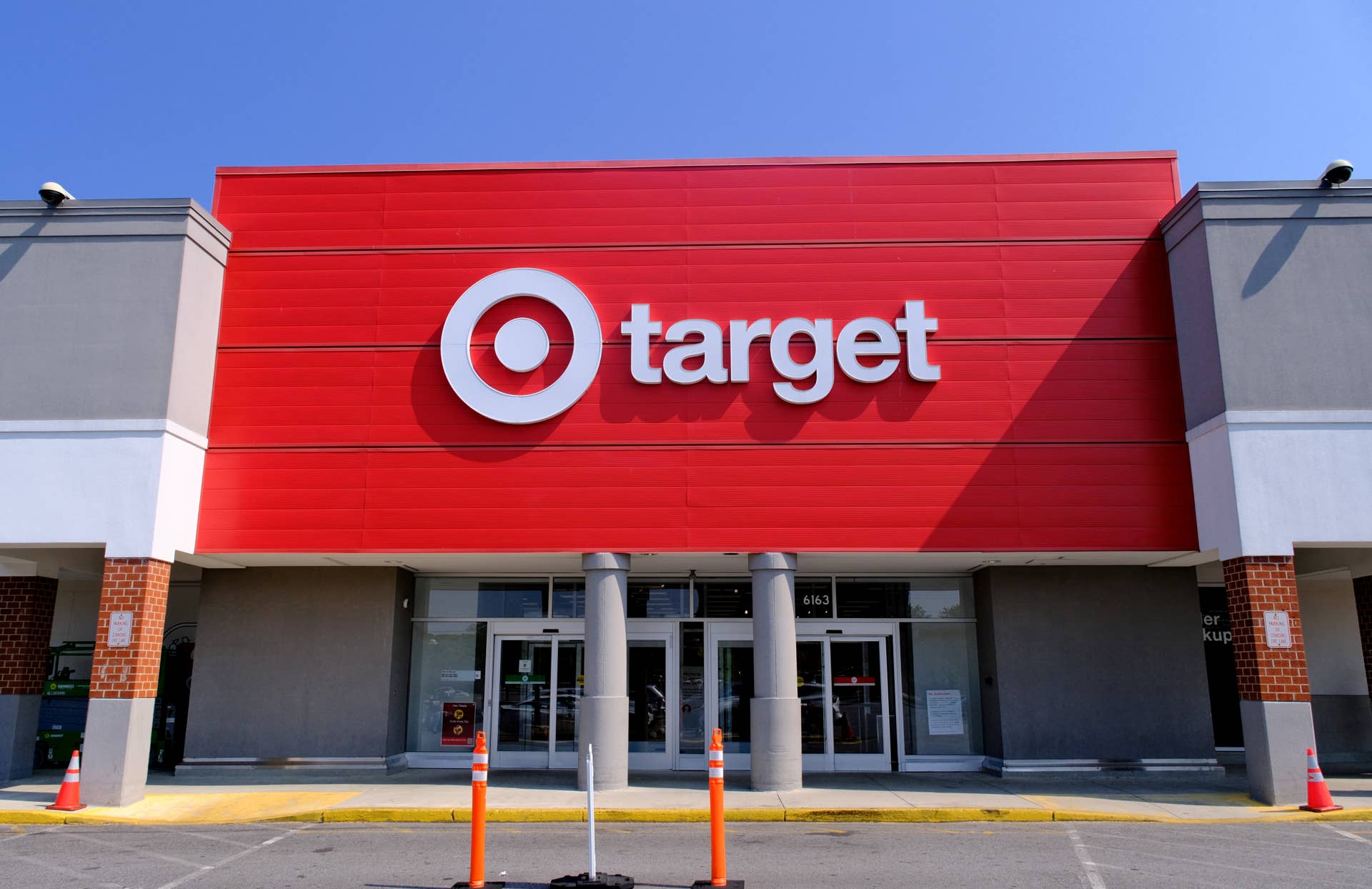
Target has evolved far past a simple place to pick up household staples. For many young adults, walking down the bright red aisles isn't a chore; it's an intentional experience. People talk about getting "lost in the moment" there, wandering past home decor displays and seasonal collections without a strict schedule. That cultural footprint didn't happen by accident.
The retail giant cracked a specific code for modern shoppers by blending accessible pricing with trendy, design-forward collaborations. If you want to understand why this specific big-box retailer commands such fierce loyalty among college students and young professionals, you have to look past the marketing and examine the physical store layout, digital convenience, and curated product lines.
The Psychology of the Bullseye Layout
Store design dictates how long you linger. Target structures its floor plans with wide, polished concrete aisles and high-contrast signage that reduces visual clutter compared to traditional discount warehouses.
This layout encourages exploration. When you walk in, you aren't funneled immediately into heavy grocery aisles. Instead, you encounter seasonal displays, beauty bars, and limited-edition apparel collaborations.
- The Front-Cap Hook: Displays rotate weekly, creating a sense of urgency and discovery.
- Lighting Strategy: Warm, balanced overhead lighting avoids the harsh fluorescent glare common in older supermarkets.
- Neighborhood Zoning: Distinct sections for home goods, tech accessories, and apparel flow into one another smoothly.
These architectural choices lower cognitive load. When your environment feels clean and intentional, you relax, browse longer, and enjoy the physical act of shopping rather than rushing through a to-do list.
Curated Partnerships and Limited Drops
Mass retail used to mean generic white-label goods. Target disrupted that model decades ago by partnering with high-end designers like Missoni, Lilly Pulitzer, and Proenza Schouler, making premium aesthetics accessible on an entry-level budget.
For young adults living in their first apartments or navigating tight post-grad budgets, these limited-edition home decor drops and fashion collaborations fill a distinct gap. You can style a minimalist living room or curate a capsule wardrobe without spending boutique prices.
This strategy relies on scarcity and community hype. When items sell out within hours online or in-store, it turns a routine errand into a cultural event shared across TikTok and Instagram.
Blending Digital Convenience with Physical Discovery
E-commerce made shopping efficient, but it stripped away spontaneity. Target solved this by integrating digital tools directly into the physical trip.
Using the Target app, shoppers can check local aisle inventory, scan barcodes for digital coupons, and use Drive Up or Order Pickup without ever leaving their car. According to Target Corporate, digital fulfillment channels account for a massive share of total sales, proving that convenience matters just as much as ambiance.
When you do choose to walk the aisles, features like self-checkout lines and mobile wallet integration keep friction low. You get the tactile thrill of browsing physical goods combined with the frictionless speed of digital checkout.
Common Pitfalls When Shopping Target
It's easy to enter with a budget and leave with a cart full of items you didn't plan to buy. The environment is engineered to encourage discovery, which can strain a tight budget if you aren't careful.
- The Dollar Spot Trap: Grabbing small $1 to $5 items near the entrance adds up quickly at checkout.
- Impulse Home Decor: Falling in love with seasonal throw pillows or seasonal kitchenware that you don't actually need.
- Skipping App Coupons: Failing to check the app for Circle rewards before paying means leaving money on the table.
Setting a firm list or using order pickup for essential items helps you avoid the "lost in the moment" trap when you're trying to watch your spending.
Frequently Asked Questions
Why do young adults prefer Target over traditional department stores?
Target bridges the gap between affordability and trend-conscious design. Traditional department stores often feel dated or transactional, whereas Target cultivates an aesthetic, lifestyle-focused shopping environment.
What is Target Circle and how does it work?
Target Circle is a free loyalty program that gives members automated deals, personalized perks, and a percentage back on eligible purchases, alongside community-voting options for local charity donations.
How does Target's pickup service work?
You can order items via the mobile app or website, and an employee will bring them directly to your car trunk within a couple of hours, completely free of charge.
Why do certain designer collaborations sell out so fast?
Target produces limited quantities of high-end designer collections to create exclusivity, driving high demand among trend-conscious shoppers looking for affordable luxury.


: Complete Survey Guide and Rewards](https://www.simpleeverydaymom.com/wp-content/uploads/2023/10/Pilgrim-Photo-Craft-for-Thanksgiving-image-559x1024.jpg)