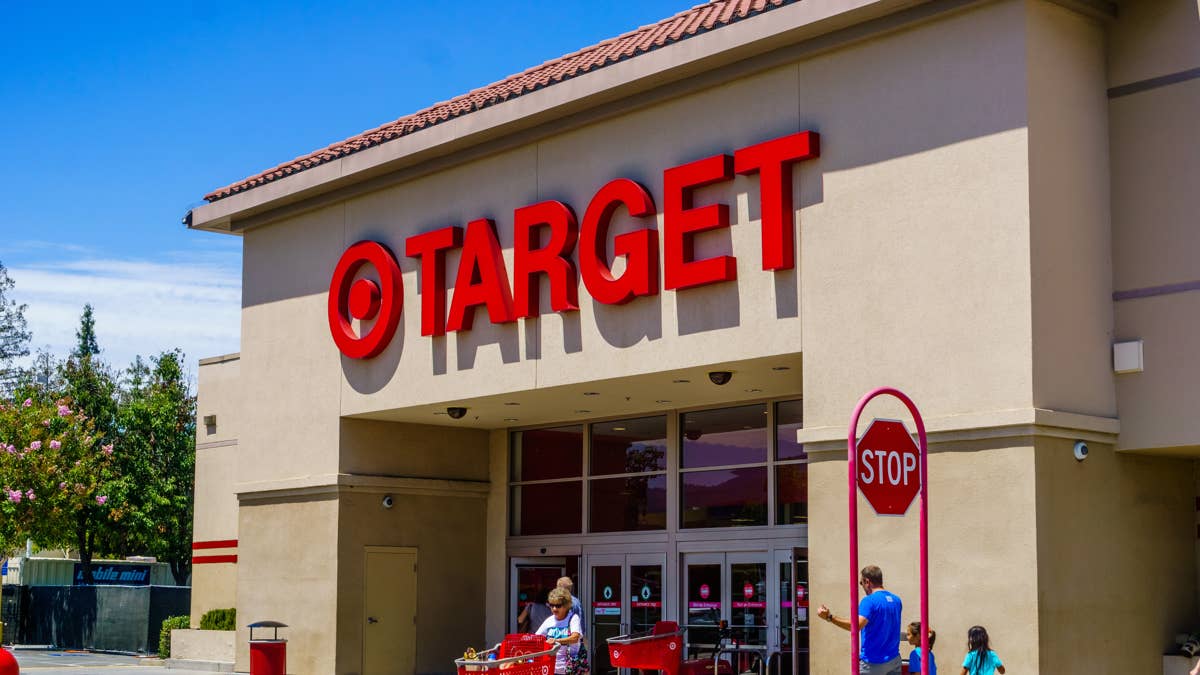
Target corporation doesn't operate brick-and-mortar retail stores in Germany or anywhere else in Europe. Despite persistent internet rumors, speculative blog posts, and misread filings, the Minneapolis-based retail giant remains strictly focused on its domestic North American footprint. If you're wondering whether you can pick up designer collaborations or owned-brand home goods at a local German shopping center, the short answer is no.
The confusion around a potential Target European expansion usually stems from overlapping company names, cross-border vendor partnerships, or wishful thinking from retail analysts. Let's look at why this rumor keeps circulating, how Target actually handles international operations, and what its true strategic priorities look like today.
Why People Think Target Is Coming to Germany
Rumors regarding a German storefront launch usually pop up on social media or automated SEO content farms. These pieces often mix up several distinct business realities:
- Name Confusion: Germany has several unrelated businesses and brands that use similar names or imagery, leading consumers to draw false conclusions about U.S. retail entry.
- Global Supply Chains: Target sources thousands of products from European manufacturers, and participates in international vendor accelerator programs, but these B2B connections don't translate to consumer-facing retail outlets.
- Third-Party Shipping: International shoppers often use package-forwarding services to buy items from Target's website, creating a false impression of an active local footprint.
Major American retailers like Walmart previously spent billions trying to break into the German market, only to retreat after struggling with local labor laws, fierce discount competition from domestic giants like Aldi and Lidl, and strict regulatory environments. Target's leadership team has studied these failures and consistently chosen to concentrate capital on domestic growth, digital fulfillment, and supply chain optimization inside North America.
Target Real Strategy: Domestic Focus and Digital Priorities
Instead of chasing risky physical expansions across the Atlantic, Target's corporate strategy centers on strengthening its domestic positioning. The company generates over $100 billion in annual revenue, but nearly all of its physical retail infrastructure stays anchored in the United States.
When Target allocates capital, it invests heavily in features that protect its core market share against competitors like Walmart and Amazon:
- Store Renovations: Billions of dollars go toward remodeling hundreds of domestic stores, updating floor plans, and optimizing inventory handling.
- Owned Brands: Proprietary labels like Threshold, Cat & Jack, and Good & Gather generate high margins and give shoppers unique products they can't find elsewhere.
- Fulfillment Infrastructure: Turning existing stores into local delivery hubs allows the company to handle same-day pickup and drive-up orders efficiently.
Rather than building stores abroad, Target expands its reach through digital marketplaces and tech investments. You can explore official corporate updates and financial reports directly on the Target Corporate Site.
How European Retail Giants Operate
If you live in Germany, your retail landscape looks very different from the American big-box model. The German market is dominated by deeply entrenched discounters and hypermarket chains that operate on razor-thin margins and high-volume grocery sales.
- The Discounters: Companies like Aldi Süd, Aldi Nord, and Lidl command massive market share by offering private-label goods in streamlined, no-frills stores.
- The Hypermarts: Groups like Kaufland and Edeka cover large-format shopping needs, combining extensive food selections with household goods.
- Specialized Home & Fashion: Chains like IKEA, TK Maxx, and local fashion retailers fill the mid-market design niche that Target occupies in the U.S.
Because German consumers are notoriously price-sensitive when it comes to groceries and basic household items—while also having access to robust domestic discount alternatives—an incoming American department store chain would face an uphill battle to capture meaningful market share. You can read more about broad retail dynamics and economic indicators through the European Commission Internal Market Pages.
Common Mistakes in Retail Expansion Analysis
Many amateur market analysts misunderstand how large retailers scale. When looking at foreign market rumors, keep these pitfalls in mind:
- Confusing Sourcing with Selling: Buying products from European factories doesn't mean a brand plans to open storefronts in those countries.
- Ignoring Regulatory Barriers: European labor laws, strict zoning regulations, and packaging waste laws (such as Germany's Verpackungsgesetz) require massive localization efforts that many foreign retailers underestimate.
- Misinterpreting Tech Partnerships: Cross-border software or incubator partnerships are frequently misreported as physical retail expansion plans.
Target's leadership understands that international brick-and-mortar retail requires localized scale to succeed. Without an existing distribution network in Europe, launching stores from scratch would drain capital without guaranteeing a return.
Frequently Asked Questions
Can I order from Target if I live in Germany?
Target ships primarily to U.S. addresses and select U.S. territories. While you can use third-party package forwarding services to send items to Germany, shipping costs and international customs fees make this expensive and impractical for everyday shopping.
Does Target own any stores in Europe?
No. Target does not operate any physical retail locations, fulfillment centers, or consumer-facing websites in Europe.
Why did Walmart fail in Germany if Target is so successful?
Walmart struggled in Germany because it failed to adapt to local consumer habits, misjudged real estate and labor costs, and ran into fierce price wars with established domestic discounters like Aldi. Target has avoided repeating these expensive mistakes by keeping its footprint focused on North America.
Will Target ever expand to the European market?
There are no public plans or indications from Target's executive leadership suggesting an upcoming expansion into Europe. The company remains focused on domestic store growth, digital fulfillment, and expanding its high-margin owned-brand portfolio.


