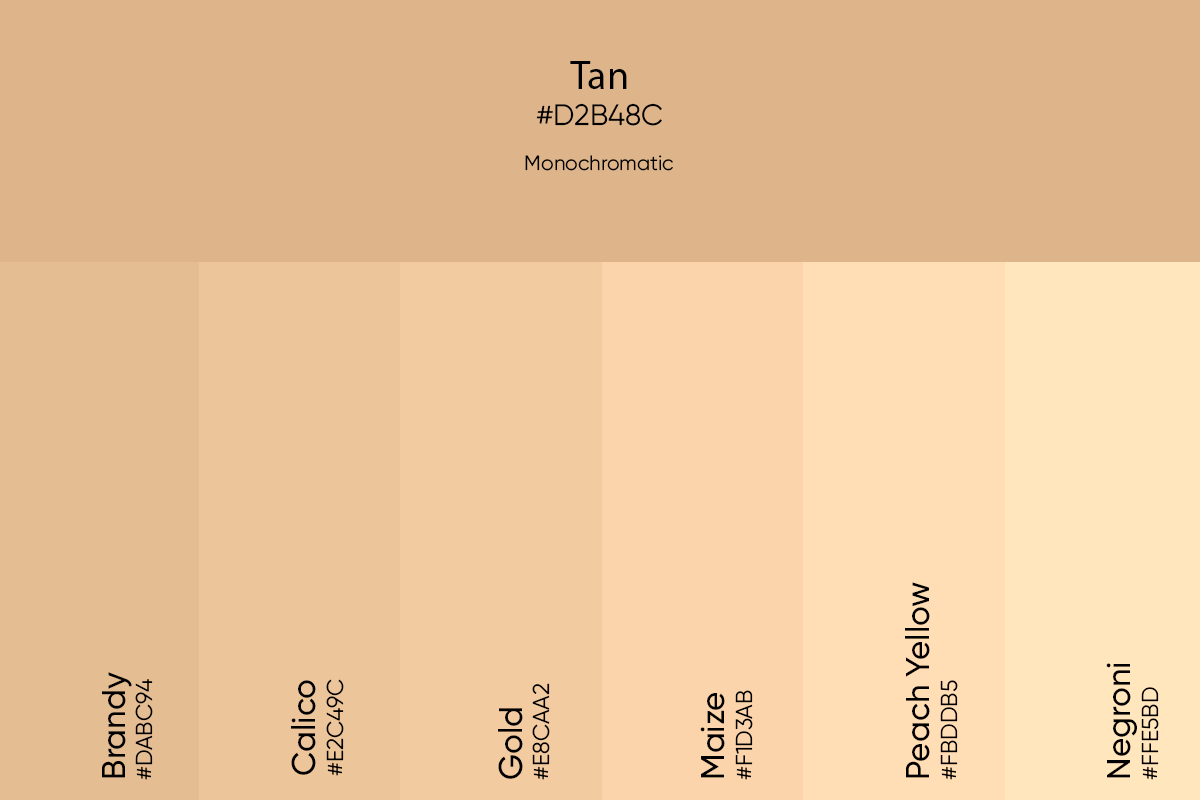
Choosing a name for a new dog can feel overwhelming, especially when you want something that matches their unique coat. If your new furry friend has a coat of warm gold, sandy beige, soft fawn, or rich tan, finding a name that celebrates their coloring is a fun way to start your life together. Whether you brought home a Labrador Retriever, a Pug, a Chihuahua, or a mixed-breed rescue, the right name should roll off the tongue easily and fit your dog's personality.
Tan dog names span several distinct visual and cultural inspirations, drawing from nature, food, metals, and everyday vocabulary. Instead of settling for a generic moniker, you can look closely at your dog's specific shade—from pale oatmeal to deep caramel—to find a title that feels completely natural.
Understanding Search Intent and Naming Strategy
When people search for dog naming guides, they aren't just looking for a random list of words. They want inspiration categorized by theme, sound, and syllable count so they can test how a name sounds when calling their puppy across the room. Dogs respond best to names with one or two syllables, sharp consonant sounds, and distinct vowels.
Naming your dog goes beyond aesthetics. It sets the tone for training, bonding, and daily communication. Let's break down the best categories for tan-coated dogs to help you narrow down your choices.
Nature-Inspired Tan Dog Names
The natural world offers an endless palette of warm, earthy tones. If your dog reminds you of sandy beaches, autumn leaves, or sunlit deserts, these nature-inspired names capture that organic warmth.
- Sandy: A timeless classic for any light brown or beige dog.
- Amber: Perfect for a dog with a warm, glowing reddish-tan coat.
- Autumn: Captures the rich, golden-brown hues of the fall season.
- Canyon: A rugged choice for an adventurous larger breed with reddish-tan fur.
- Desert: Simple and striking for a pale tan or fawn pup.
- Fawn: Ideal for smooth-coated breeds like Boxers or Chihuahuas.
- Hazel: Great for a dog with hazel eyes or a light brown coat.
- Honey: Sweet and warm, fitting for a friendly, golden-hued dog.
- Maple: Evokes the rich, warm color of tree sap and autumn syrup.
- Mesa: A strong, earthy name inspired by sun-baked landscapes.
- Pebble: Cute and quirky for a small, speckled tan puppy.
- Sahara: Evokes the vast, golden sands of the desert.
- Sienna: An earthy reddish-brown pigment that sounds refined and modern.
- Sunny: Perfect for an energetic dog with a bright, golden disposition.
- Timber: A robust choice for a sturdy dog with wood-toned fur.
- Wheat: Simple, wholesome, and fitting for pale yellow-tan coats.
- Willow: Soft and graceful for a gentle tan female dog.
- Woody: A classic, friendly name for an earthy brown dog.
Food and Spice Tan Dog Names
Food-inspired names are popular because they are familiar, affectionate, and often hint at warm, comforting colors and textures. From baking ingredients to favorite snacks, these options offer plenty of personality.
- Almond: Subtle and refined for a pale beige coat.
- Biscuit: A playful, affectionate name for a fluffy tan puppy.
- Butterscotch: Fun to say and accurate for a rich, golden-tan dog.
- Caramel: Rich and sweet, ideal for a deep golden-brown coat.
- Chai:* Short, snappy, and warm like spiced tea.
- Cinnamon: Great for a tan dog with reddish undertones.
- Cocoa: Classic for a warm brown dog, though versatile for tan mixes.
- Cookie: A universally loved name for a sweet-natured pup.
- Ginger: Perfect for a tan dog with spicy red or orange highlights.
- Graham: A cozy name inspired by graham crackers.
- Hazelnut: Sophisticated yet approachable for a medium brown dog.
- Latte: Ideal for coffee lovers with a light tan or cream-colored dog.
- Muffin: Endearing and sweet for a small, cuddly puppy.
- Nacho: Playful and fun for a spunky small breed.
- Nutmeg: A warm, speckled spice name for a textured tan coat.
- Peanut: Adorable for a tiny tan puppy or a goofy larger dog.
- Pretzel: Quirky and fun for a twisty, energetic hound.
- Toffee: Sweet, rich, and fitting for a glossy tan coat.
- Waffles: A fun, breakfast-themed name for a golden-tan dog.
- Wheatley: A charming spin on classic wheat tones.
Precious Metals and Minerals
If your dog's coat has a metallic sheen or a rich, expensive-looking warmth, mineral and metal names provide a touch of elegance.
- Brass: A sturdy, industrial name for a tough tan dog.
- Bronze: Deep and lustrous for a darker tan or brown dog.
- Copper: Vibrant and metallic, ideal for reddish-tan coats.
- Dune: Minimalist and striking, inspired by wind-swept sand dunes.
- Flint: A sleek, sharp name for a gray-tan dog.
- Goldie: A cheerful classic that never goes out of style.
- 鉱石 / Ore: (Use English equivalents like Iron or Clay instead for accessibility). Let's use Clay: Simple, earthy, and grounded.
- Topaz: A warm gemstone name for a treasured family pet.
- Amber (Repeated in spirit): Often grouped with gems for its warm glow.
Tips for Choosing the Right Name
Picking a name from a list is only the first step. You need to make sure the name works for you and your dog in everyday life. Here are a few practical rules to keep in mind.
- Keep it short: Dogs learn one- and two-syllable names much faster than longer ones. If you love a long name like Butterscotch, plan to use the nickname Scotch for daily training.
- Avoid confusion: Don't choose a name that sounds too similar to common household commands. For example, Ray sounds too much like "stay," which can confuse your puppy during obedience practice.
- Test it out loud: Say the name in different tones—firmly for a warning, happily for praise, and casually when calling them for dinner. If it feels awkward to say repeatedly, skip it.
- Give it a few days: You don't need to name your dog the second you walk through the door. Spending forty-eight hours observing their quirks, energy levels, and sleeping habits often reveals the perfect fit.
Common Mistakes When Naming a Dog
Many first-time owners make a few common missteps during the naming process. Avoiding these pitfalls saves you frustration later.
- Changing names too often: Once you pick a name, stick with it. Constantly changing what you call your dog delays the housebreaking and recall training process.
- Following fleeting trends: Pop culture references fade quickly. Choose something you will be happy yelling across a public dog park five years from now.
- Choosing names that are too complicated: A name should be easy for everyone in your household—including children and visiting family—to pronounce correctly.
For more insights on puppy development and positive reinforcement training, check out resources from the American Kennel Club or guidelines on animal welfare from the ASPCA.
Frequently Asked Questions
How long does it take a dog to learn their name?
Most puppies learn to recognize their name within a few days to a couple of weeks. You can speed up this process by pairing the name with a treat whenever they look at you upon hearing it.
Should I change my rescue dog's name?
Dogs are remarkably adaptable. If your rescue dog came with a name they already know and respond to, you can keep it. If the name is negative or you simply want a fresh start, changing it is completely fine with consistent positive reinforcement.
Are one-syllable names better than two-syllable names?
Two-syllable names are generally considered the sweet spot for canine hearing and recognition. One-syllable names work well too, provided they end with a hard consonant that grabs attention.
What if my dog doesn't respond to their new name?
If your dog ignores their name, you may be using it too often in negative contexts (like scolding). Reserve the name primarily for positive interactions, treats, and exciting activities so they build a joyful association with it.



