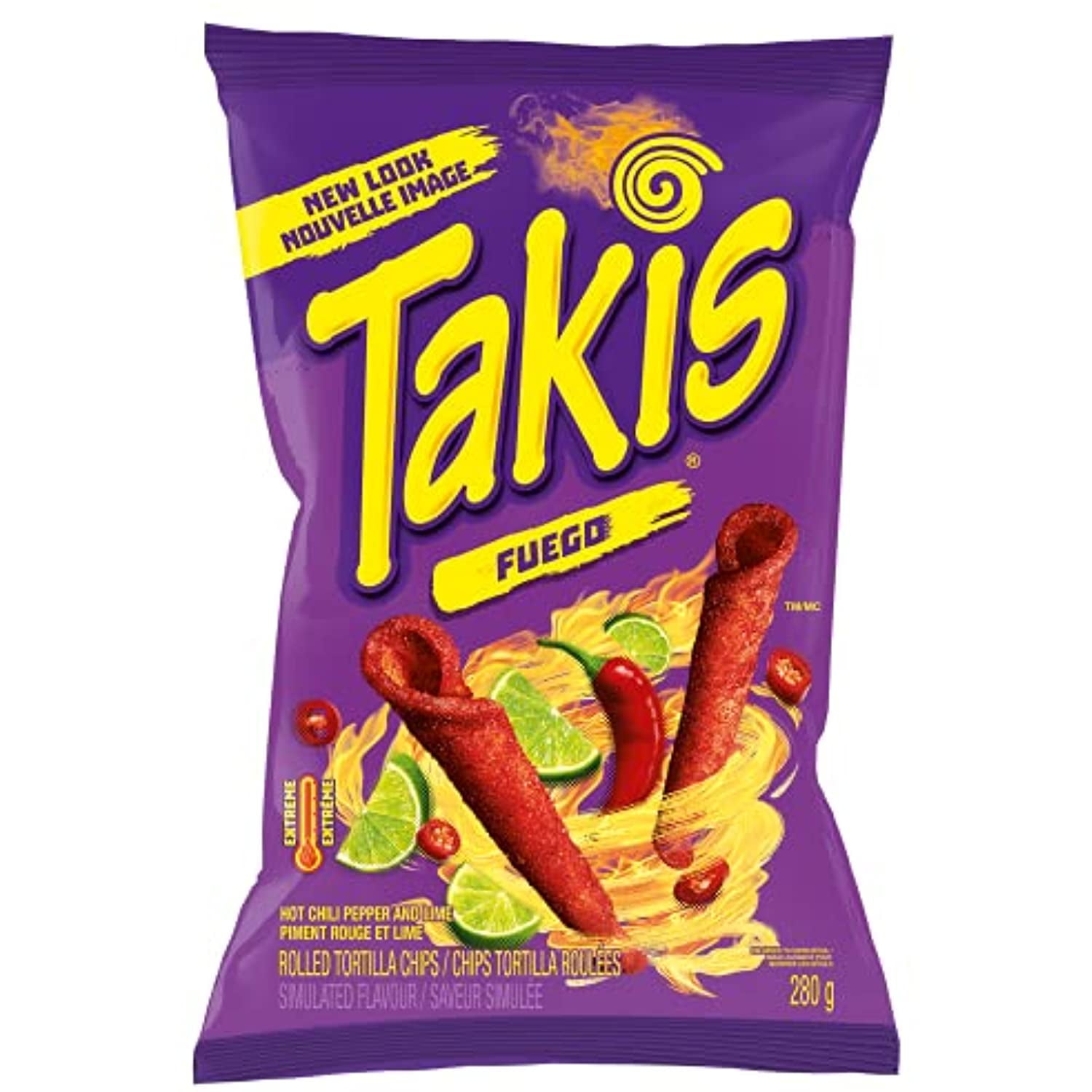
Walk down any school hallway or convenience store aisle, and you'll spot them: those bright purple bags emblazoned with jagged neon lettering. Takis Fuego aren't just another chip on the shelf. They've sparked a cultural wildfire, turning extreme heat and rolled-tortilla crunch into a massive global phenomenon. Invented in Mexico and scaled worldwide by Grupo Bimbo's snack subsidiary Barcel, these rolled corn snacks did something few traditional brands manage. They captured the imagination of digital-native consumers who treat snacking as an extreme sport.
The secret behind their dominance isn't just accidental hype. It's a calculated collision of intense chili-and-lime seasoning, a distinct rolled texture designed to hold maximum dust, and internet-fueled viral marketing. While traditional snack giants spent decades pushing subtle variations of cheddar and barbecue, Barcel leaned into sensory overload. Let's break down how a regional Mexican novelty turned into an international obsession.
From Mexican Bodegas to Global Shelves
Back in 1999, Barcel designed Takis in Mexico to mimic a traditional Mexican snack known as taquitos, but with an industrial twist. They wanted something crunchy, rolled tightly, and capable of holding heavy coats of chili powder. The original release wasn't an instant overnight success. It took years of regional testing before the brand found its footing among teenagers looking for affordable, high-impact flavor.
When Barcel introduced the Fuego flavor—a blistering blend of hot chili pepper and lime—everything clicked. Fuego became the flagship variant, driving expansion across the United States in the early 2000s. Convenience stores near high schools acted as ground zero. Kids didn't just eat them; they collected the empty bags, dared each other to finish full-size bags in one sitting, and shared their reactions online.
By the 2010s, distribution stretched far beyond North America. Retailers in Europe, Asia, and South America began stocking imported bags to satisfy demand driven by social media. What started as a niche experiment in Mexican manufacturing turned into a billion-dollar export engine.
Anatomy of a Flavor Explosion
Why do people crave Takis Fuego so intensely? It comes down to structural engineering and flavor pairing. Regular flat tortilla chips distribute seasoning evenly across a wide surface area. Takis use a rolled-up, cylindrical design that traps seasoning inside the folds and creases. When you bite into one, you get an concentrated blast of flavor right away.
The Fuego flavor profile relies on two primary drivers: capsaicin-driven heat and sharp citric acid. Unlike snacks that rely purely on salt or artificial cheese flavor, the chili-and-lime combination triggers multiple sensory receptors simultaneously.
- The Crunch: The dense, double-fried corn base provides a heavier crunch than standard tortilla chips, making the eating experience physical and engaging.
- The Heat: Chili peppers and paprika deliver a lingering burn that builds with every handful.
- The Tang: High levels of citric acid cut through the oil and corn, making your mouth water and compelling you to reach for another piece.
This specific trinity of texture, spice, and sourness creates a compulsive loop that standard potato chips struggle to match.
The Digital Fuel of Viral Marketing
Traditional television commercials didn't build the Takis empire. Instead, the brand scaled through organic internet culture. When short-form video platforms like Vine and later TikTok exploded, Takis Fuego found a natural home. Creators used the bright red-and-purple dust as a badge of honor, filming "one-chip challenges" and rating spice levels on camera.
High school students and college influencers turned the snack into a prop. The vibrant, unnatural red stain left on fingers and tongues became an instant meme format. Barcel didn't need to spend millions on glossy magazine spreads when their core audience was already generating millions of views reviewing, modifying, and obsessing over the product online.
Competitors watched in confusion as fans began creating fan-art, customized shoes painted to look like the packaging, and recipes incorporating crushed Fuego chips into chicken breading or macaroni and cheese. This grassroots devotion transformed a simple bag of corn chips into a lifestyle accessory.
Industry Shockwaves and Imitators
The runaway success of Takis Fuego forced the wider snack industry to rethink product development. Major legacy brands realized that younger demographics were losing interest in bland, uniform flavors. Walk down any supermarket snack aisle today, and you'll see shelves crowded with extra-flaming, rolled, and lime-infused tortilla chips from almost every major manufacturer trying to capture lightning in a bottle.
Yet, most imitators miss the mark. They either make the chip too thin—resulting in a soggy texture when coated in heavy lime powder—or they rely on chemical heat without the balancing acidity that makes Fuego addictive. Barcel's manufacturing process remains notoriously difficult to replicate precisely, protecting their market share even as supermarket shelves grow more crowded.
Frequently Asked Questions
What makes Takis Fuego different from regular tortilla chips?
Standard tortilla chips are flat and seasoned lightly with salt. Takis Fuego are tightly rolled corn taquitos fried to an extra-dense crunch and coated heavily in a blend of hot chili pepper and citric acid.
Are Takis Fuego extremely spicy?
They rank high on the commercial spice scale. While they won't compete with raw ghost peppers, the combination of concentrated chili powder and acidic lime creates a sharp, immediate burn that catches many casual snackers off guard.
Why do Takis leave your fingers red?
The bright red color comes from food colorings used in the heavy seasoning dust. Because the chips are rolled tightly, excess seasoning accumulates in the bag and transfers easily to hands during eating.
Can you use Takis Fuego in cooking?
Yes. Many home cooks crush Fuego chips into fine crumbs to use as a spicy breading for fried chicken, fish tacos, or baked mac and cheese crusts, adding both crunch and heat to savory dishes.



