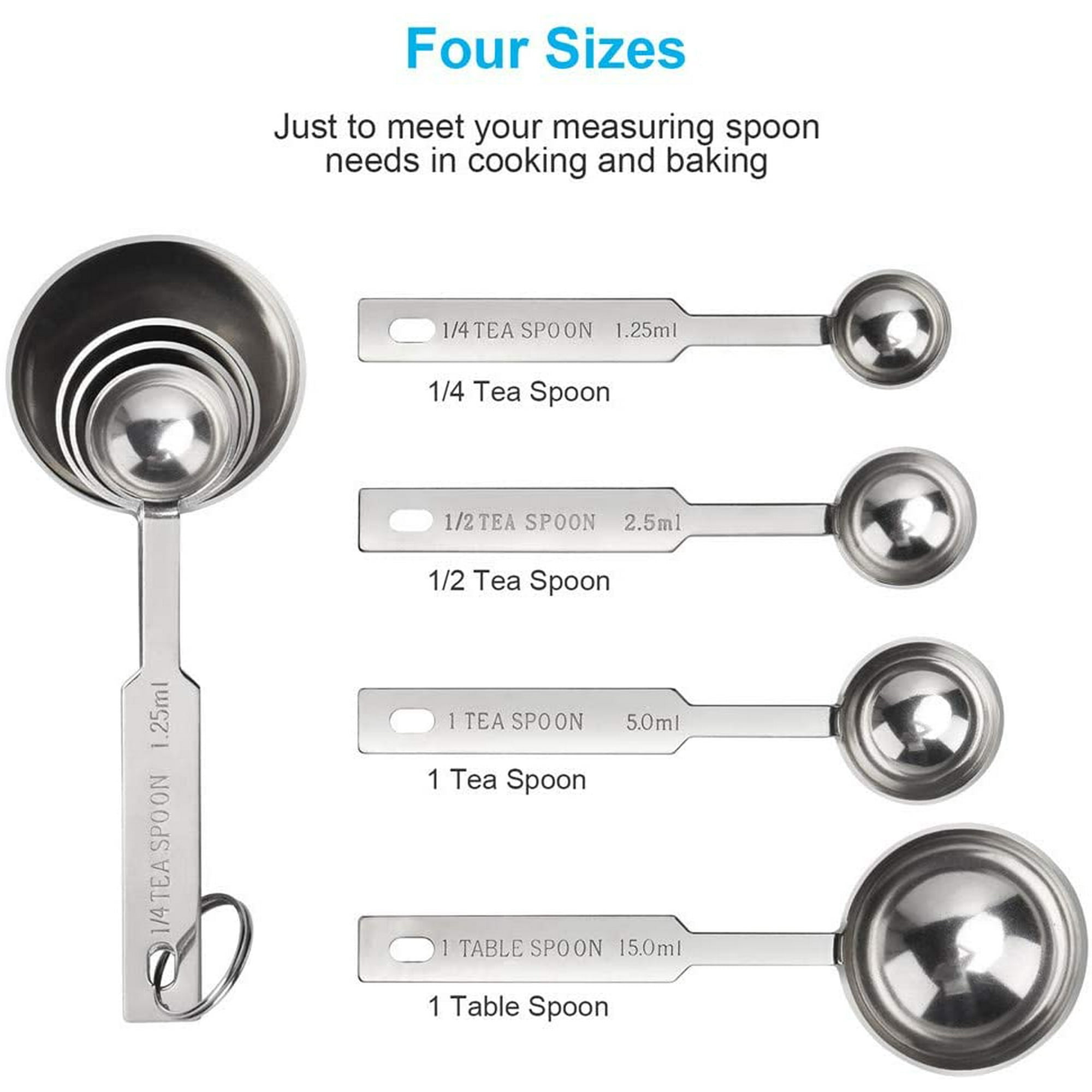
Converting tablespoons to ounces is one of those small kitchen tasks that trips up home cooks all the time. Two tablespoons equal one fluid ounce in the US system. Knowing this single fact saves you from scrambling through sticky recipe books with flour-covered hands.
Volume and weight measurements often get confused in the kitchen. When recipes call for ounces, they usually mean fluid ounces for liquids, but dry ingredients can complicate things quickly. Let's break down how to get your measurements right every single time.
The Basic Conversion Formula
The math behind US volume measurements is straightforward once you know the baseline numbers. One US tablespoon equals half of a US fluid ounce.
- 1 tablespoon = 0.5 fluid ounces
- 2 tablespoons = 1 fluid ounce
- 4 tablespoons = 2 fluid ounces
- 8 tablespoons = 4 fluid ounces
- 16 tablespoons = 8 fluid ounces (1 cup)
You don't need a calculator for these basic amounts. If a cocktail recipe calls for four tablespoons of simple syrup, you're looking at two fluid ounces. If you've got a stick of butter—which equals eight tablespoons—you're working with half a cup, or four fluid ounces.
Fluid Ounces vs. Weight Ounces
A major trap in cooking and baking is confusing fluid ounces with dry weight ounces. Fluid ounces measure volume, while standard ounces measure mass.
If you scoop a tablespoon of water, it weighs about half a fluid ounce. But if you scoop a tablespoon of packed brown sugar or all-purpose flour, the weight changes entirely because of ingredient density.
- Water: A tablespoon closely matches its fluid ounce equivalent in weight.
- Flour: A tablespoon of fluffy flour weighs significantly less than a fluid ounce of water.
- Honey or Molasses: These thick, heavy liquids weigh much more per tablespoon than water does.
When a baking recipe demands absolute precision, switch from measuring spoons to a digital kitchen scale. Measuring dry goods by weight eliminates the air pockets that mess up cup and tablespoon measurements.
International Measurement Differences
If you're cooking from a British, Australian, or European cookbook, your tablespoon math changes. Different regions use distinct standards for volume measurements.
United States Customary System
The standard US tablespoon is half of a US fluid ounce, based on the US gallon definition. Most recipes found online or in American cookbooks use this exact standard.
Imperial and Commonwealth Units
Older British recipes and some Commonwealth sources use the imperial tablespoon, which measures about 17.76 milliliters. That makes it roughly 0.60 US fluid ounces. While the difference is small, it adds up quickly in large batches of baking or canning.
Metric System
Many metric countries define a standard tablespoon as exactly 15 milliliters. Since a US fluid ounce is about 29.57 milliliters, one metric tablespoon equals roughly 0.51 US fluid ounces. If you're baking in these regions, you'll often see ingredients listed in grams rather than volume anyway, which is far more accurate.
Practical Kitchen Shortcuts
Kitchen disasters happen when you lose track of your measuring tools mid-recipe. Memorizing a few simple benchmarks keeps your workflow smooth.
- Three teaspoons equal one tablespoon. If you can't find your tablespoon, use your teaspoon three times.
- Two tablespoons equal one fluid ounce.
- Sixteen tablespoons fill a standard eight-ounce measuring cup.
When you're scaling a recipe up or down, write your math down before you start cooking. Doubling a recipe that calls for six tablespoons means you need twelve tablespoons, which equals six fluid ounces or three-quarters of a cup.
Common Conversion Mistakes to Avoid
Even experienced cooks make mistakes when converting measurements on the fly. Watch out for these common errors.
- Using dry cups for liquids: Liquid measuring cups feature a pour spout and extra headroom so you don't spill. Dry measuring cups are meant to be leveled off flat. Mixing them up ruins your ratios.
- Assuming all tablespoons are identical: Always check where your cookbook was published. An Australian tablespoon holds 20 milliliters, which is notably larger than a US tablespoon.
- Packing flour incorrectly: Scooping flour straight from the bag packs it down tightly, adding up to 30 percent more flour than the recipe intends. Always fluff your flour with a fork, spoon it into the measuring measure, and level it off with a knife.
Frequently Asked Questions
How many tablespoons are in one fluid ounce?
There are two tablespoons in one US fluid ounce.
Does 1 tablespoon of dry ingredients equal 1 fluid ounce?
No. Fluid ounces measure volume, while dry ingredients vary wildly in weight and density. A tablespoon of flour won't weigh the same as a tablespoon of water.
Are Canadian tablespoons the same as US tablespoons?
Canada officially uses the metric system for many packaged goods, but home recipes frequently follow US standards. However, older Canadian recipes might lean toward imperial measures, so check the publication source if you're baking something delicate.
What is the easiest way to measure sticky ingredients like honey?
Lightly coat your tablespoon with a tiny drop of neutral cooking oil before measuring honey or syrup. The sticky liquid slides right out without clinging to the spoon.



