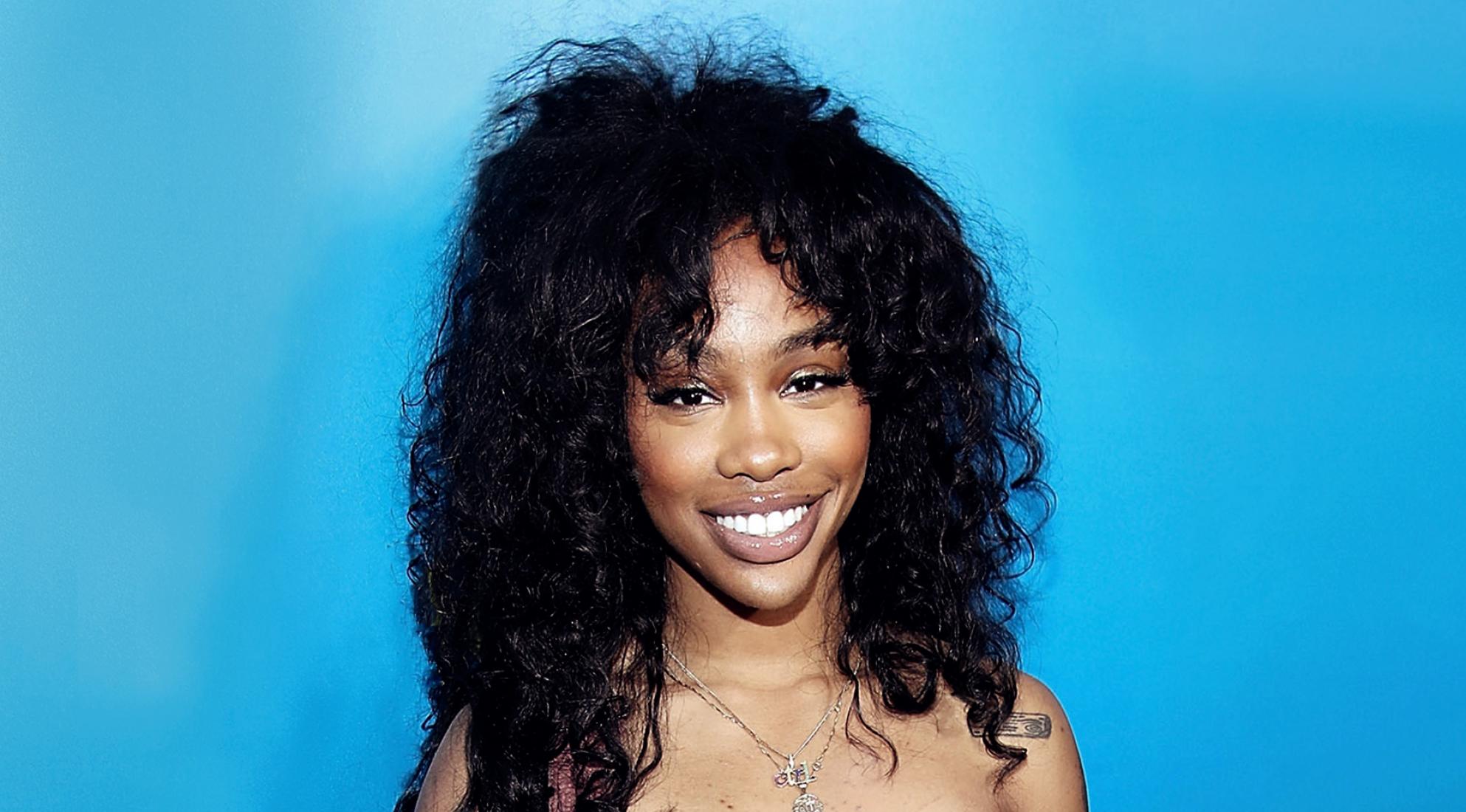
Modern rhythm and blues doesn't just sound different than it did two decades ago; it feels radically more exposed. At the core of this shift stands SZA, an artist who turned personal anxiety, romantic neurosis, and hyper-specific self-doubt into a blueprint for contemporary songwriting. Rather than relying on polished pop tropes or untouchable diva personas, her work maps the messy reality of modern attachment, establishing a new standard for emotional architecture in the genre.
For years, mainstream R&B leaned heavily on either glossy escapism or generalized heartbreak anthems. SZA dismantled that distance by writing lyrics that read like unfiltered diary entries, capturing the precise humiliation of checking an ex's social media or the exhausting loop of low self-esteem. This shift wasn't accidental. It came from a convergence of eclectic musical upbringing, genre-blurring production, and an absolute refusal to sand down her psychological rough edges.
The Roots of SZA's Sonic and Emotional Palette
Born Solána Imani Rowe in St. Louis and raised in Maplewood, New Jersey, SZA’s early creative environment was defined by diverse influences rather than a strict genre upbringing. Raised in an orthodox Muslim household with a Christian mother and an executive producer father, her early auditory world mixed jazz, indie rock, and soul alongside the hip-hop records played by her older siblings.
Her introduction to recording happened almost by accident when her older brother, Daniel Pierre (who recorded under the moniker Manhattan), invited her to lay down vocals for a track. That initial studio experience removed the intimidation barrier of singing. It allowed her to develop a conversational, stream-of-consciousness vocal delivery that sounded less like a trained performance and more like a late-night phone call to a friend.
When she signed with Top Dawg Entertainment (TDE) in 2013—a label better known for molding powerhouse West Coast rap artists like Kendrick Lamar and ScHoolboy Q—SZA was an outlier. Her early EPs, See. SZA. Run and S, established a moody, atmospheric aesthetic that blended alternative indie textures with loose R&B structures. Yet, this stylistic ambiguity kept her on the fringes of the mainstream until she focused her lens entirely on narrative vulnerability.
Decoding the Blueprint of Ctrl
The turning point arrived with her 2017 debut studio album, Ctrl. The record didn't just chart; it culturalized a specific brand of messy, unapologetic introspection. Tracks like "Drew Barrymore" and "Normal Girl" directly interrogated modern insecurities, rejecting the trope of the "cool girl" who accepts mistreatment without complaint.
Instead of presenting an idealized version of womanhood, Ctrl leaned into contradictions. SZA sang about wanting total devotion while sabotaging her own relationships, admitting to jealousy, dependency, and deep-seated fears of abandonment. Musically, the production matched this internal friction. Sparse guitar loops, hazy synth pads, and understated trap drums created an intimate space that felt fragile yet resilient.
This approach redefined what listeners expected from R&B heroines. Perfection was out; radical transparency was in. Fans didn't just listen to Ctrl; they weaponized its lyrics as captions and personal mantras because the art acknowledged feelings that mainstream music usually swept under the rug.
Expanding the Architecture: SOS and Genre Fluidity
If Ctrl was an intimate exploration of personal micro-dramas, her sophomore album, SOS, broadened the scope without losing its emotional core. Released in late 2022, SOS demonstrated that vulnerability could coexist with stylistic versatility and commercial dominance.
The album moves effortlessly across sonic borders:
- Lo-fi acoustic balladry ("Gone Girl")
- Gritty alternative rock influences ("F2F")
- Traditional soulful R&B ("Snooze")
- Upbeat revenge anthems ("Kill Bill")
By refusing to stay inside a single sonic box, SZA mirrored the fractured attention span and emotional volatility of the digital age. The lyrics remained tethered to themes of isolation, heartbreak, and resilience, proving that emotional sophistication doesn't require a monochromatic sound. Her willingness to experiment with punk-rock guitars and country-tinged melodies opened doors for a new wave of alternative R&B artists who refuse to let genre boundaries dictate their emotional expression.
Common Misconceptions About Vulnerability in Modern R&B
As emotional transparency became a commercial powerhouse in contemporary music, critics and casual listeners often misinterpret how this artistry functions. Recognizing these nuances helps clarify why SZA’s work resonates so deeply while copycats often fall flat.
- Vulnerability is not a marketing gimmick: While critics sometimes argue that oversharing has become an industry formula, manufactured distress lacks the specific, uncomfortable details that make SZA's writing ring true. Real vulnerability includes self-indictment, not just painting oneself as the eternal victim.
- Stream-of-consciousness doesn't mean undisciplined: The casual, diary-like delivery of modern R&B vocalists often masks rigorous structural choices. The phrasing relies on precise rhythmic syncopation against unconventional beats, requiring high technical control to sound effortlessly conversational.
- Alternative R&B is not anti-pop: Blending genres doesn't mean abandoning mainstream appeal. The sophistication lies in marrying complex, discordant emotional states with infectious, sticky melody hooks that linger long after the track ends.
Frequently Asked Questions
How did SZA's background influence her unique vocal style?
Growing up in an eclectic household with exposure to jazz, indie rock, and hip-hop prevented her from developing traditional conservatory habits. Because she started recording casually with her brother without formal vocal training, she relied on a conversational, emotive delivery that prioritized lyrical honesty over technical acrobatics.
What makes Ctrl a watershed moment for modern R&B?
Ctrl broke away from generalized love songs by introducing hyper-specific, self-deprecating lyrics about modern dating, digital anxiety, and self-doubt. It proved that commercial R&B could thrive on messy, unresolved emotional truths rather than neat narrative resolutions.
How does SZA blend different genres in her music?
Her production style pulls freely from alternative rock, lo-fi hip-hop, traditional soul, and electronic music. This hybrid approach allows her to match the volatility of her lyrics with dynamic shifts in instrumentation, moving from acoustic guitar arrangements to heavy trap beats within the same project.
Why is emotional sophistication important in contemporary songwriting?
Listeners today navigate hyper-connected yet isolated social landscapes. Songs that acknowledge internal contradictions and mental health struggles provide validation and a sense of shared human experience that glossy, one-dimensional pop tracks cannot replicate.
SZA Is The Most Confusing Artist... But It Somehow Makes Sense
This video offers a helpful visual breakdown of how SZA balances opposing public personas to craft her deeply emotional music.



