Deciding between Switzerland and Sweden means weighing two very different visions of high-standard European living. Switzerland offers high salaries, low taxes, and dramatic alpine scenery, but it comes with steep living costs and a private, reserved culture. Sweden provides a progressive welfare state, excellent work-life balance, and progressive social systems, though higher taxes and long winters shape daily routines.
Choosing the right destination depends on your career goals, financial priorities, and lifestyle preferences. Both countries rank near the top of global development indices, yet they operate under vastly different economic and social rules.
Cost of Living and Disposable Income
Switzerland is significantly more expensive than Sweden across nearly every category. Rent, groceries, and dining out in cities like Zurich or Geneva command top-tier prices. However, Swiss salaries are among the highest in the world, often leaving residents with strong purchasing power despite the high price tags.
Sweden features a more moderate cost of living, particularly outside central Stockholm. While consumer goods and housing still require careful budgeting, everyday expenses don't drain bank accounts as aggressively as they do in the Swiss Confederation.
The primary financial difference lies in the trade-off between gross earnings and take-home pay. Switzerland's low tax environment allows high earners to retain a much larger share of their income. Sweden relies on a progressive tax model where top earners face steep marginal rates, which fund public infrastructure, childcare, and healthcare systems.
- Switzerland: High wages, low income tax rates, and expensive housing, utilities, and services.
- Sweden: Moderate wages, progressive tax brackets up to over 50 percent for high brackets, and more affordable day-to-day services.
Taxes and Wealth Accumulation
Tax structures often drive the decision for international professionals moving to either nation. Switzerland operates on a decentralized system where federal, cantonal, and municipal taxes compete for residents. Cantons like Zug or Schwyz offer exceptionally low tax rates, making Switzerland a magnet for wealth accumulation and investment.
Sweden abolished its wealth and inheritance taxes, but its income taxation remains high. The state surtax kicks in at relatively modest income thresholds, reducing the speed at which high-income earners can build net worth compared to a low-tax Swiss canton.
For families prioritizing public safety nets, Sweden's tax revenue translates into subsidized childcare, comprehensive parental leave, and universal healthcare. In Switzerland, many of these services—such as mandatory health insurance premiums—are paid out of pocket, shifting the financial responsibility to the individual.
Career Opportunities and Work Culture
Switzerland excels in niche, high-value sectors. Pharmaceuticals, finance, commodities trading, and specialized engineering dominate the economy, particularly around Zurich, Basel, and Geneva. The corporate environment is formal, professional, and performance-driven. Networking often happens through structured corporate channels or local community associations.
Sweden anchors its economy on technology, green energy, telecommunications, and advanced manufacturing. Companies like Spotify, Ericsson, and Volvo foster flat corporate hierarchies and collaborative team environments.
Work-life balance is deeply institutionalized in Sweden through the concept of lagom—not too little, not too much. Overtime is rare, and corporate culture heavily respects personal time, family commitments, and mandatory summer holidays. Swiss workplaces also value efficiency, but long working hours remain more common in demanding sectors like banking and consulting.
Society, Language, and Integration
Integrating into daily life requires understanding distinct social norms in both countries. Switzerland is famously private. Building deep friendships with locals takes time, and community integration often revolves around local municipal clubs, shooting societies, or hiking groups.
Language adds another layer of complexity in Switzerland. Depending on the canton, you'll need German, French, or Italian, though English is widely spoken in corporate settings. Official administrative processes often require proficiency in the local cantonal language.
Sweden is culturally egalitarian and direct, though Swedes can also appear reserved initially. English proficiency in Sweden is among the highest in the world for a non-native-speaking country. You can navigate daily life, grocery shopping, and even many corporate offices using English alone. However, learning Swedish is essential for long-term career progression outside multinational tech hubs and for full social integration.
- Swiss Integration: Requires navigating multiple official languages and respecting local privacy boundaries.
- Swedish Integration: Simplified by universal English fluency, though mastering Swedish is vital for deep cultural connection.
Climate and Outdoor Lifestyle
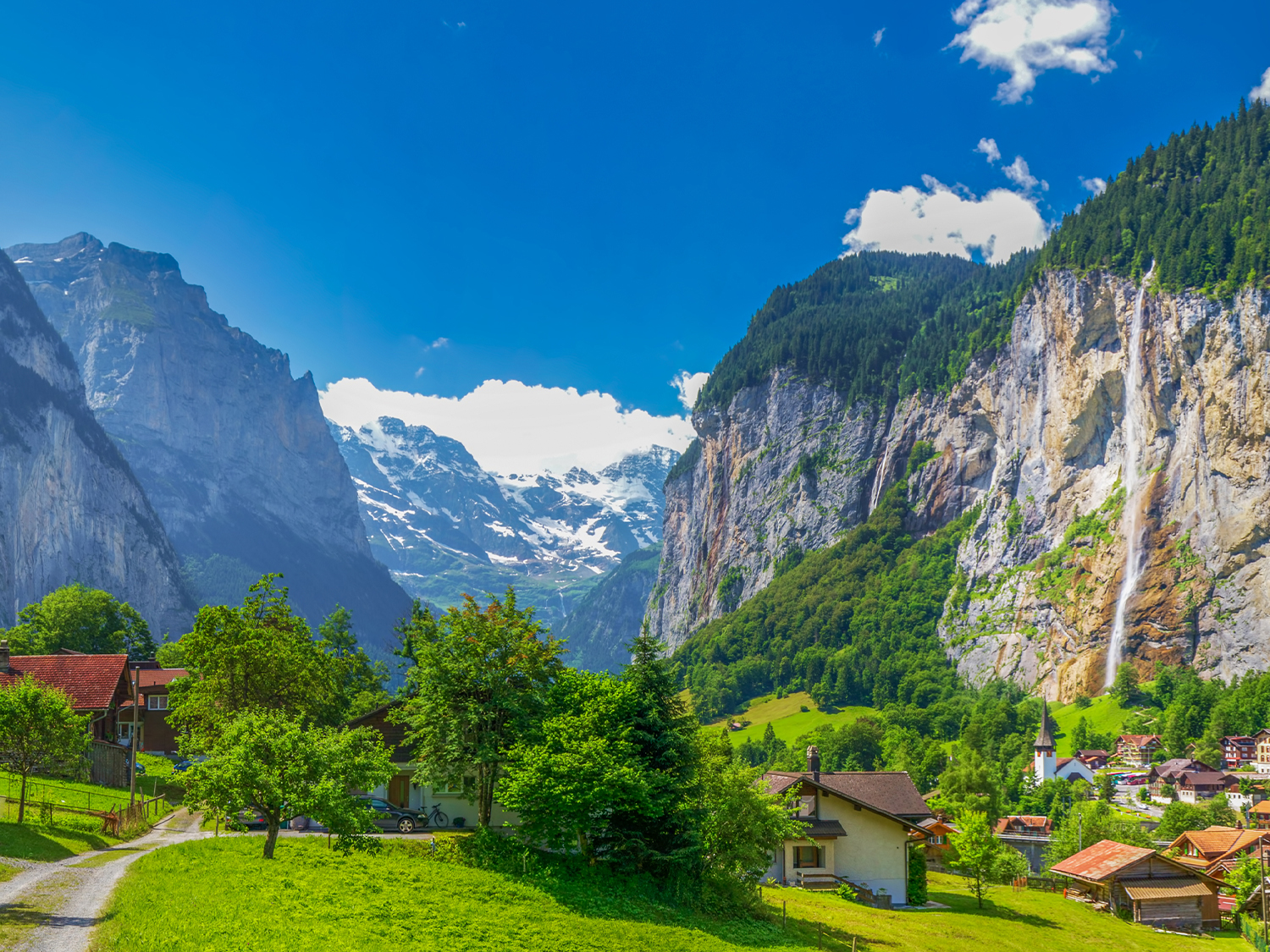
Geographic differences dictate how residents spend their free time. Switzerland provides immediate access to the Alps, making it a paradise for skiers, mountaineers, and hikers. Summers are warm, and winters bring heavy snowfall in the mountains while lower elevations remain milder.
Sweden offers vast wilderness, thousands of coastal islands, and deep forests. The Swedish concept of Allemansrätten (everyman's right) grants legal access to roam freely across private and public land, forage for berries, and camp in nature.
The trade-off comes down to winter daylight. Switzerland enjoys a more central European climate with reasonable daylight hours year-round. Sweden experiences extreme seasonal shifts, with long, dark winter days in the south and polar nights in the far north, balanced by endless daylight during midsummer.
Common Relocation Mistakes to Avoid
- Underestimating Swiss Health Insurance: Failing to factor mandatory individual health insurance premiums into the monthly budget can lead to financial strain.
- Ignoring Swedish Housing Shortages: Stockholm suffers from a regulated rental market with long waiting lists for primary leases. Securing housing requires early planning.
- Overlooking Language Requirements: Assuming English is sufficient for official administrative tasks, permanent residency, or citizenship applications in Switzerland.
- Miscalculating Net Income: Comparing gross salaries without accounting for Sweden's high municipal tax rates or Switzerland's mandatory private deductions.
Frequently Asked Questions
Which country is better for raising a family?
Sweden offers extensive subsidized childcare, generous parental leave policies shared between partners, and free higher education. Switzerland provides exceptional safety, clean environments, and high school standards, but childcare costs are among the highest in the developed world.
Is it easier to find a job in Sweden or Switzerland as an expat?
Sweden is generally more accessible for English-speaking tech and sustainability professionals due to flat corporate structures. Switzerland offers immense opportunities in finance, pharma, and engineering, but non-EU citizens face strict work permit quotas and hiring preferences.
How do healthcare systems compare?
Sweden uses a tax-funded public healthcare system where care is heavily subsidized and affordable. Switzerland mandates that every resident purchase private health insurance from approved providers, which involves monthly premiums and annual deductibles before coverage begins.
Which country offers an easier path to permanent residency?
Sweden provides a more straightforward path for workers on standard employment permits after a set number of years. Switzerland ties residency tightly to work permit categories, cantonal approvals, and linguistic milestones, making the timeline longer and more bureaucratic.