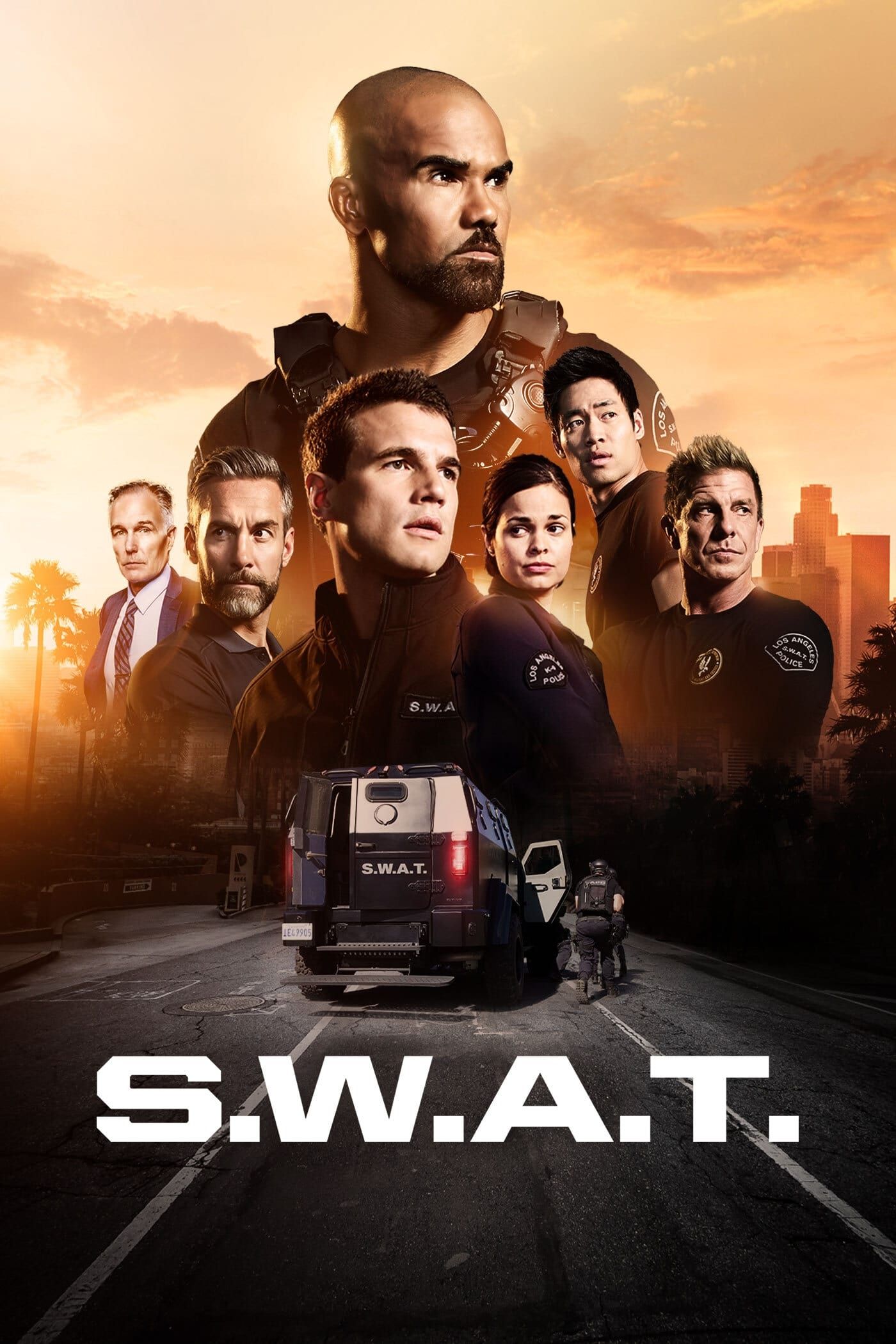
Special Weapons and Tactics (SWAT) units sit at the intense intersection of public safety and civil liberty. Born out of high-stakes urban crises in the late 1960s, these specialized teams were originally designed to handle extreme threats like active shooters and barricaded suspects where standard patrol gear fell short. Today, they occupy a central role in municipal law enforcement while drawing heavy national scrutiny over issues of militarization, tactical transparency, and accountability.
Understanding how these units reshaped modern law enforcement requires looking past the gear and examining operational realities, policy shifts, and the ongoing civic debate. Agencies face constant pressure to balance rapid-response capabilities with community trust, making the evolution of tactical policing one of the most critical subjects in modern public administration.
The Origins and Structural Evolution of Tactical Units
The modern tactical unit traces its roots back to the late 1960s in Los Angeles, where traditional police responses proved inadequate against specialized threats. Law enforcement leaders needed a disciplined cadre trained in military-style precision, specialized weaponry, and coordinated crisis entry.
Over the decades, the scope of these operations expanded significantly. What started as an absolute last resort for hostage rescue evolved into units deployed for high-risk warrant service, drug raids, and armed suspect containment. This expansion forms the core of modern discussions surrounding institutional overreach.
Key Milestones in Tactical Development
- 1960s Foundation: Establishment of early specialized response teams to counter sniper fire and dynamic urban violence.
- 1980s and 1990s Expansion: Proliferation of tactical units across mid-sized and smaller municipal departments, fueled in part by federal grant programs and counter-narcotics initiatives.
- Post-9/11 Integration: Increased access to federal military surplus equipment, shifting the aesthetic and logistical profile of local departments.
- Contemporary Reform Era: Pushes for stricter deployment thresholds, mandatory body-worn cameras, and specialized de-escalation training protocols.
Operational Realities: Equipment, Training, and Command
Operating a tactical unit requires rigorous selection standards, continuous drilling, and advanced logistical support. Unlike everyday patrol officers, team members undergo selection courses that test physical endurance, psychological resilience under extreme stress, and proficiency in close-quarters combat.
Commanders rely on synchronized communication systems, real-time intelligence feeds, and specialized breaching tools to minimize collateral danger during high-risk operations. However, the presence of specialized equipment—such as armored vehicles and heavy ballistic gear—frequently sparks public concern regarding the psychological impact of militarized aesthetics on community relations.
Core Operational Components
- Intelligence-Led Planning: Utilizing pre-operation reconnaissance, architectural blueprints, and threat-scoring models to minimize chaotic entry scenarios.
- Specialized Hardware: Deployment of non-lethal compliance tools, thermal optics, and communication tech designed to secure areas without relying strictly on deadly force.
- Distributed Command Nodes: Establishing secure command posts to maintain clear lines of authority during multi-agency or prolonged standoffs.
The National Debate: Safety Versus Civil Liberties
The core controversy surrounding tactical units centers on deployment frequency and proportionality. Independent research and civil rights organizations, such as the American Civil Liberties Union (ACLU), have historically tracked significant increases in tactical deployments, noting that a large percentage are used for executing standard search warrants rather than active hostage crises.
Critics argue that heavy-handed tactics erode community trust, risk escalation in non-violent situations, and blur the line between civilian police and military forces. Conversely, law enforcement advocates maintain that withholding necessary tools from officers facing armed suspects introduces unacceptable risks to both personnel and the public.
According to guidelines outlined by organizations like the International Association of Chiefs of Police, establishing clear thresholds for deployment is essential to maintaining institutional legitimacy while safeguarding communities.
Transparency, Oversight, and the Path Forward
To bridge the trust gap, progressive departments are revising their governance models. Transparency is no longer optional; communities demand rigorous data tracking regarding when, why, and how tactical units are deployed.
Independent civilian oversight boards, standardized reporting mandates, and post-action debriefs help ensure accountability. Furthermore, integrating crisis negotiators directly into tactical command structures allows teams to prioritize peaceful resolutions whenever tactical conditions permit.
Steps Toward Sustainable Tactical Governance
- Strict Deployment Criteria: Restricting high-risk entries to verified threats involving firearms, active violence, or confirmed barricades.
- Mandatory Documentation: Requiring comprehensive after-action reports detailing every deployment, use of force, and property impact.
- De-Escalation Integration: Pairing tactical readiness with advanced crisis communication training to defuse tense environments before breaching protocols activate.
- Community Engagement: Hosting public briefings and department transparency forums to demystify unit operations and build local rapport.
Frequently Asked Questions
What is the primary purpose of a tactical unit?
These units are designed to resolve high-risk situations exceeding the capabilities of standard patrol officers, including active shooter scenarios, barricaded suspects, and hostage rescues.
Why are tactical units controversial?
Controversy arises primarily from their use in routine warrant executions, the visual militarization of police forces, and concerns over proportionality, civil liberties, and potential overreach in communities.
How do departments regulate when these units are deployed?
Many agencies implement strict authorization thresholds requiring command-level sign-off, ensuring that units are only activated when specific, high-level threat criteria are met.
Do tactical units focus exclusively on combat?
No. Modern training emphasizes intelligence gathering, negotiation support, precision containment, and minimizing collateral harm alongside physical tactical execution.


