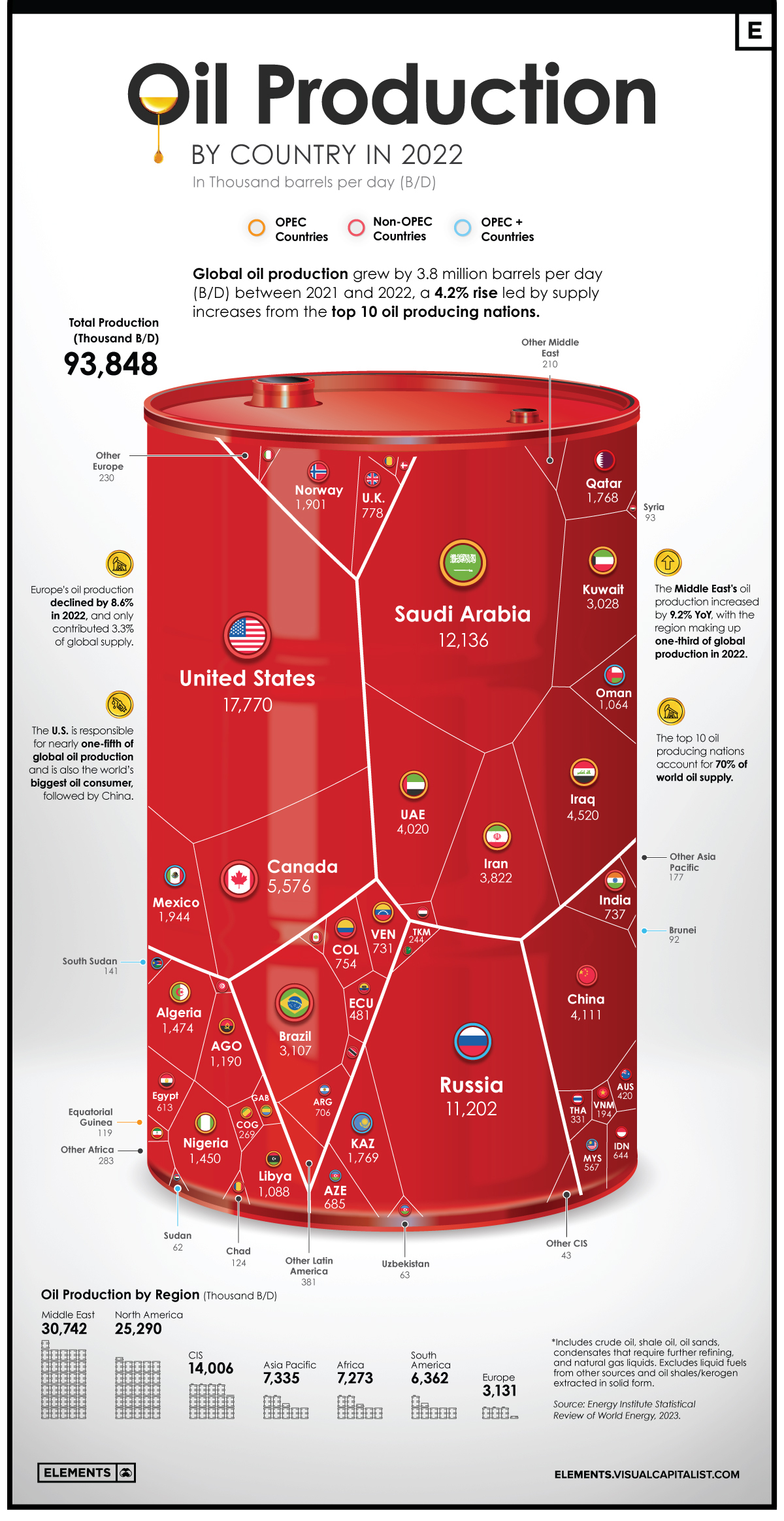
The shift from fossil fuels to clean power alters communities built around petroleum production. In historical extraction hubs, municipal leaders, engineers, and local businesses face the challenge of diversifying regional power grids. This transformation involves integrating solar installations, wind projects, and modern storage systems while keeping utility costs stable for residents.
Traditional energy towns carry decades of infrastructure designed exclusively for crude extraction and refining. Redirecting this industrial capacity toward renewable generation requires careful economic planning, technical upgrades, and workforce retraining. Understanding how these regions adapt provides a clear blueprint for industrial cities pursuing long-term ecological and financial resilience.
Historical Foundations of Energy Economies
Legacy energy centers grew rapidly around petroleum extraction, refining, and distribution networks. Early drilling operations shaped local labor markets, municipal tax bases, and transport corridors for over a century. Over time, heavy reliance on a single commodity exposed these local economies to volatile global market swings and tightening environmental regulations.
Managing this historical legacy requires more than closing extraction sites. Municipalities must repurpose brownfield sites for clean energy installations, utilizing existing electrical tie-ins and skilled industrial workforces. Retraining roughnecks and pipeline technicians for wind turbine maintenance or geothermal engineering bridges the gap between old-world extraction and future power generation.
Integrating Renewable Power Sources
Scaling sustainable generation in legacy regions depends on diversifying power sources to match local geography. Planners increasingly rely on a mix of technologies to secure reliable baseload power.
- Solar Photovoltaics: Large-scale solar arrays utilize cleared industrial land and unused utility easements, feeding clean electricity directly into local distribution networks.
- Wind Energy: Tapping regional wind patterns through strategically placed turbines helps offset peak demand periods, particularly when paired with modern forecasting tools.
- Geothermal Systems: Ground-source heat pumps and engineered geothermal projects capture subsurface thermal energy for commercial district heating and industrial processes.
Balancing these intermittent sources requires advanced grid management infrastructure. Without intelligent load balancing, sudden drops in wind or solar output can destabilize regional distribution networks.
Energy Storage and Grid Modernization
Intermittency remains a primary hurdle for renewable integration. Industrial cities solve this bottleneck by deploying utility-scale battery energy storage systems (BESS) near major substations. These battery arrays absorb excess daytime generation and discharge power during peak evening hours, preventing brownouts and reducing reliance on peaker plants.
Smart grid technologies complement physical storage by providing real-time data on power flow. Automated switches, smart meters, and advanced sensors allow grid operators to isolate faults instantly and redirect surplus clean electricity where it's needed most. You can explore technical guidelines on grid resilience through the U.S. Department of Energy.
Economic Impacts and Workforce Adaptation
Economic diversification stabilizes municipal budgets previously tied to severance taxes and oil royalties. The transition creates new job categories in installation, system auditing, and hardware maintenance. Local technical colleges and trade schools now offer specialized certifications in photovoltaic maintenance and grid technology.
Private sector investment also shifts as environmental, social, and governance criteria influence capital allocation. Clean technology firms frequently partner with traditional energy service companies, utilizing existing supply chains to accelerate infrastructure buildouts. For broader industrial trends and global clean energy metrics, consult the International Energy Agency.
Common Pitfalls in Municipal Energy Transitions
Cities attempting rapid energy overhauls often encounter predictable strategic missteps. Recognizing these errors helps local leaders avoid costly delays.
- Neglecting Grid Capacity: Installing generation capacity without upgrading local transmission lines leads to frequent curtailment and wasted power.
- Overlooking Workforce Transition: Failing to provide structured retraining programs alienates traditional energy workers, creating local political friction against green initiatives.
- Ignoring Storage Requirements: Relying solely on generation without integrating sufficient battery or pumped hydro storage leaves the local grid vulnerable to weather fluctuations.
- Relying on Short-Term Subsidies: Designing clean energy programs dependent entirely on temporary grants rather than sustainable municipal frameworks causes financial instability when funding cycles end.
Frequently Asked Questions
How do traditional energy towns fund renewable infrastructure?
Funding typically comes from a mix of federal grants, private-public partnerships, municipal green bonds, and redirected revenues from legacy resource extraction taxes. Many regions also leverage private power purchase agreements to fund installations upfront.
What happens to abandoned oil and gas wells during a green transition?
State and federal regulatory bodies enforce strict plugging and abandonment protocols to prevent environmental leaks. Some surface infrastructure around these sites is repurposed for hydrogen blending, carbon capture pilot projects, or solar farm staging areas.
How are local workers retrained for green energy jobs?
Regional technical institutions partner with industry employers to offer accelerated certification programs in wind turbine technology, solar array installation, electrical grid management, and energy efficiency auditing.
Can renewable energy completely replace fossil fuels in heavy industry?
While direct electrification works for many light industrial processes, heavy sectors like steel production and chemical refining often require green hydrogen or advanced biofuels alongside renewable electricity to achieve full decarbonization.



