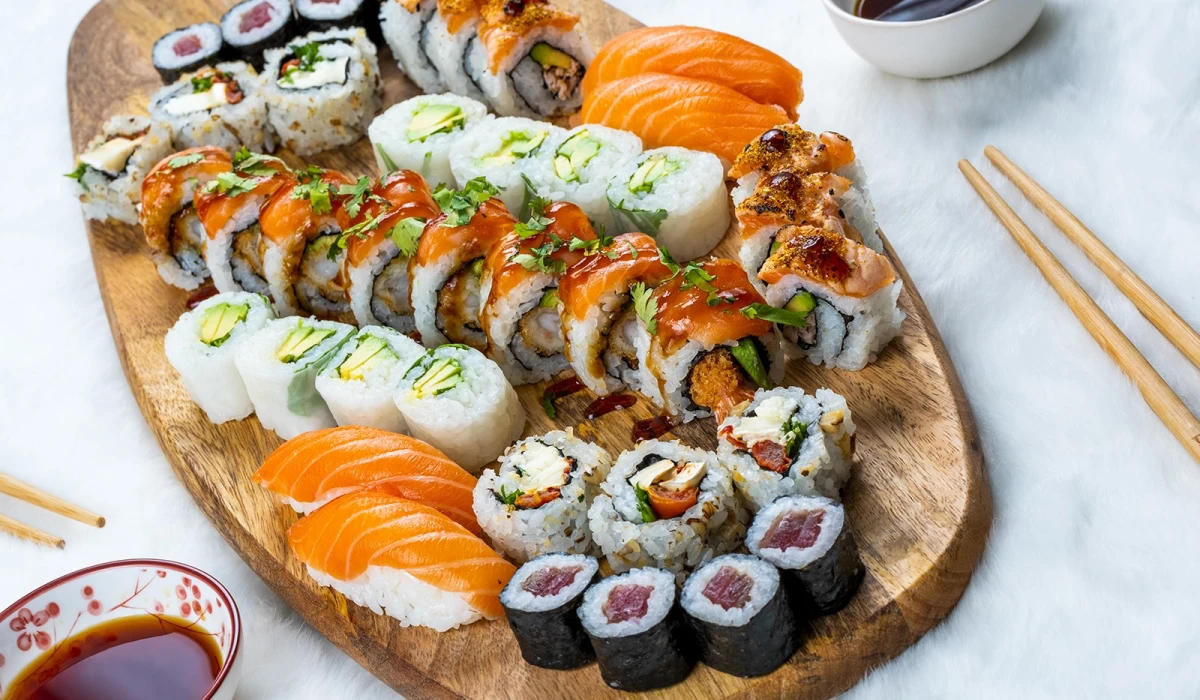
We often view sushi as a light, guilt-free meal, but the reality on your plate is usually much heavier. A simple six-piece cucumber roll looks very different from a heavy, tempura-battered specialty roll dripping in spicy mayonnaise. If you're tracking your energy intake, understanding what goes into those bite-sized pieces changes how you order.
Most people assume all sushi is low-calorie because it features fresh fish and seaweed. In truth, sushi calories hide in plain sight. A standard 6-to-8 piece roll ranges anywhere from 200 calories for simple vegetable options up to 600 calories for complex, deep-fried creations. Let's break down the exact numbers behind your favorite rolls so you can navigate the menu with total clarity.
The Foundation: Why Sushi Rice and Additives Drive Up Counts
The base of almost every traditional maki roll is sushi rice, and it's far more calorie-dense than most diners realize. Traditional sushi rice is seasoned with rice vinegar, sugar, and salt. One cup of cooked sushi rice packs roughly 200 to 250 calories, driven almost entirely by carbohydrates. When a chef compresses a hefty scoop of rice into a single roll, you're consuming a full cup or more of grain before adding a single gram of protein.
Beyond the rice, the real caloric spikes come from kitchen additions. More details on this are covered by Associated Press.
- Mayonnaise-based sauces: Spicy mayo combines standard commercial mayonnaise with sriracha or chili oil, adding up to 100 hidden calories per drizzle.
- Cream cheese: Found heavily in rolls like the Philadelphia, cream cheese adds dense dairy fats that push calorie counts upward.
- Tempura crunch and batter: Deep-frying ingredients or topping a roll with crunchy tempura flakes introduces heavy cooking oils, instantly doubling the fat content of a standard roll.
- Eel sauce: This thick, sweet glaze is made primarily from soy sauce and sugar, adding a concentrated burst of simple sugars to every bite.
Calorie Breakdown of Popular Sushi Rolls
Not all rolls are created equal. Depending on whether your order features clean, raw seafood or deep-fried crusts, the numbers shift dramatically. Here is how common restaurant rolls stack up per standard order of 6 to 8 pieces.
Cucumber and Avocado Rolls
- Calories: 140 – 200 per roll
- The breakdown: Simple vegetable rolls are the lightest option on any menu. A cucumber roll (kappa maki) provides mostly clean hydration and minimal carbs. An avocado roll introduces healthy monounsaturated fats, pushing the calorie count slightly higher, but it remains entirely plant-based and clean.
California Roll
- Calories: 250 – 300 per roll
- The breakdown: Made with imitation crab (surimi), avocado, cucumber, and rice, the classic California roll is a moderate choice. The imitation crab is mostly processed white fish starch and sugar, meaning this roll leans heavily on carbohydrates rather than lean protein.
Spicy Tuna or Spicy Salmon Roll
- Calories: 290 – 380 per roll
- The breakdown: Raw tuna or salmon provides excellent lean protein and omega-3 fatty acids. However, mixing the fish with chili-infused mayonnaise adds a substantial layer of fat. If you love the heat, ask for the spicy sauce on the side to control the exact amount you consume.
Philadelphia Roll
- Calories: 350 – 420 per roll
- The breakdown: Combining raw salmon, avocado, and cream cheese creates a rich, heavy texture. The cream cheese introduces saturated dairy fats that elevate both the calorie and fat counts significantly above a standard raw fish roll.
Shrimp Tempura Roll
- Calories: 450 – 500+ per roll
- The breakdown: This is where sushi stops acting like light diet food. The shrimp is dipped in batter and deep-fried, then often rolled with avocado and drizzled with eel sauce. The oil absorption during high-temperature frying pushes the fat content past 20 grams per roll.
Dragon Roll
- Calories: 500 – 600 per roll
- The breakdown: Usually featuring eel, cucumber, and crab inside, topped entirely with sliced avocado and sweet eel sauce, the dragon roll is one of the heaviest items on a standard menu. The combination of rich eel, avocado fats, and sugary glaze makes it a dense meal choice.
Comparing Nigiri, Sashimi, and Rolls
If your primary goal is managing calorie intake while maximizing protein, looking beyond standard maki rolls reveals better alternatives.
Nigiri consists of a hand-pressed mound of sushi rice topped with a clean slice of raw fish or seafood. Each individual piece of nigiri contains roughly 40 to 65 calories, depending on the fish. Fatty fish like salmon and eel sit at the higher end, while whitefish and shrimp sit lower. Eating six pieces of nigiri gives you a satisfying, protein-heavy meal for around 300 calories, with far less hidden rice than a rolled counterpart.
Sashimi is simply sliced raw fish served without any rice at all. Because it eliminates the vinegared rice base entirely, sashimi is virtually carb-free. A five-piece serving of tuna or salmon sashimi generally contains only 150 to 200 calories, consisting almost entirely of lean protein and heart-healthy omega-3 fatty acids. According to the USDA FoodData Central, raw fish is an exceptional source of micronutrients without the glycemic impact of grain-heavy dishes.
Common Mistakes When Tracking Sushi Calories
Diners often make specific miscalculations when estimating how much energy is on their plate. Avoiding these traps keeps your nutrition tracking accurate.
- Ignoring soy sauce and condiments: A single packet of regular soy sauce contains a surprising amount of sodium, and if you mix in sweet eel sauce or spicy mayo, you can easily add 150 hidden calories to a meal without realizing it.
- Assuming all fish is equal: Grabbing an order of freshwater eel (unagi) is very different from eating white fish. Eel is heavily glazed and naturally higher in fat, altering the calorie math.
- Misjudging portion sizes: Restaurant rolls are frequently sliced into eight pieces rather than six. That extra quarter-roll adds up quickly if you're tracking strictly.
- Overestimating the health halo: Eating sushi because it feels healthy often leads to overeating. Two specialty rolls can easily total 1,000 calories, rivaling a fast-food cheeseburger meal.
Smart Ordering Strategies for Weight Management
You don't have to give up dining out to stay on track with your fitness goals. Small adjustments to how you order make a major difference in your total daily intake.
- Build a hybrid plate: Order one favorite specialty or tempura roll to satisfy your cravings, and pair it with a side of sashimi or a simple cucumber roll to keep the overall meal balanced.
- Request brown rice or cucumber wraps: Many modern restaurants offer brown rice substitutions for added fiber, or cucumber-wrapped rolls that eliminate the rice entirely.
- Ask for sauces on the side: Dipping your sushi lightly into spicy mayo rather than having it drenched across the top lets you control the fat content.
- Start with a broth or salad: Eating a bowl of miso soup or a green salad with ginger dressing before your meal helps curb your appetite so you don't over-order heavy rolls.
Frequently Asked Questions
Is sushi good for weight loss?
Sushi can fit into a weight loss plan, but it depends heavily on what you order. Sticking to sashimi, simple nigiri, and vegetable rolls keeps your calorie count low. Heavy specialty rolls packed with tempura, cream cheese, and mayonnaise work against weight loss goals due to their high energy density.
Why does sushi rice have so many calories?
Sushi rice is mixed with a considerable amount of sugar and rice vinegar during preparation. Because chefs pack the rice tightly to hold the roll together, a single roll contains a dense concentration of simple carbohydrates that digest quickly and drive up blood sugar.
Are spicy tuna rolls actually healthy?
The tuna itself is rich in lean protein and healthy fats, but the "spicy" element comes from mixing the fish with commercial mayonnaise and chili oil. This adds significant fat and calories. Ordering regular tuna rolls or asking for hot sauce on the side avoids this issue.
Can I ask restaurants to modify sushi rolls?
Most sushi chefs are happy to accommodate modifications. You can request less rice, brown rice where available, sauces on the side, or substituting cream cheese for avocado to align the meal with your personal nutritional targets.



