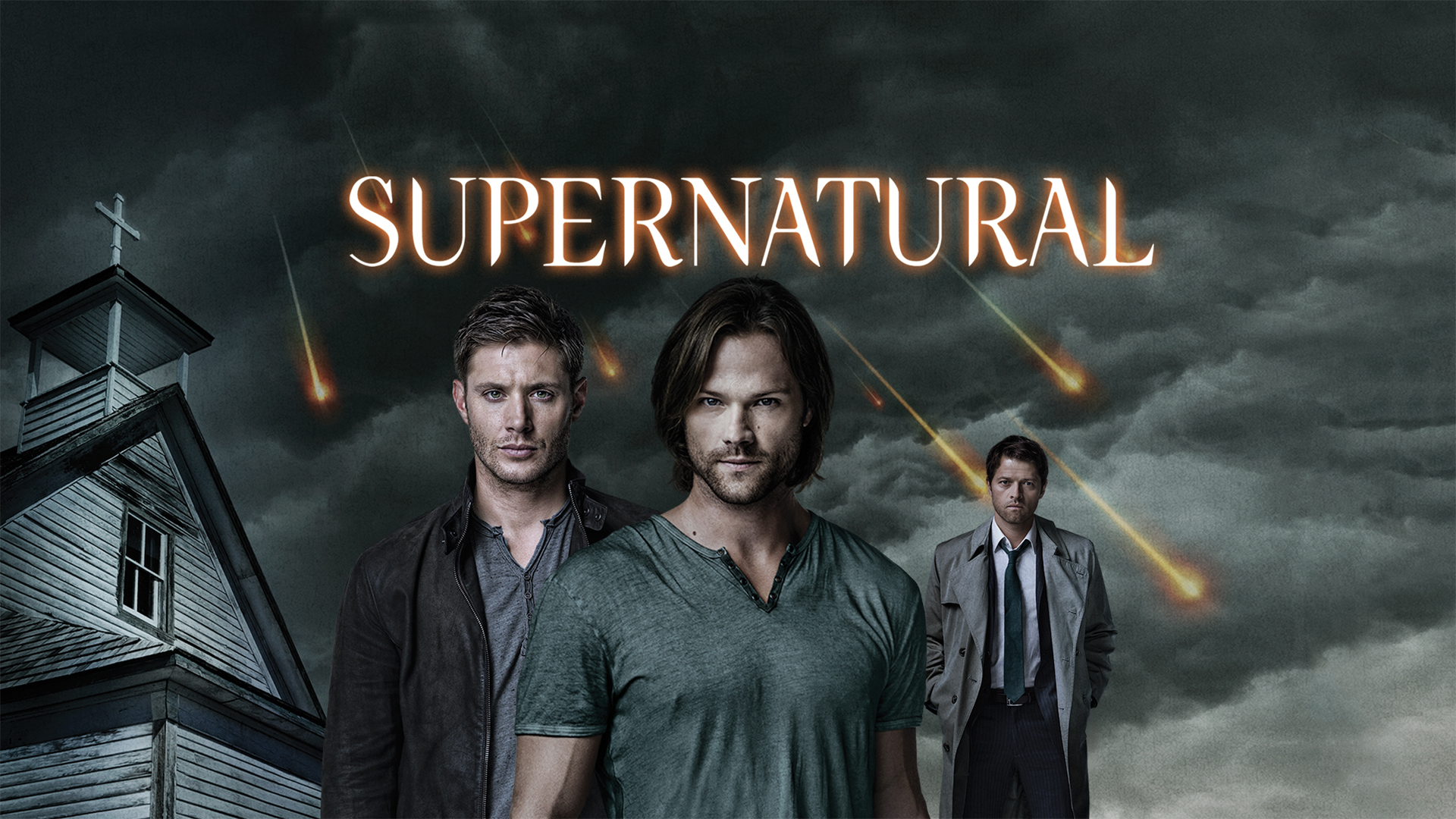
When the long-running television series Supernatural wrapped its fifteen-season run, it left behind a massive cultural footprint and several real-life romances. Fans often blend the show's themes of supernatural bonds, soulmates, and psychic phenomena with the off-screen relationships of actors like Jared and Genevieve Padalecki or Jensen and Danneel Ackles. Yet, looking past the fictional hunters and angels, the science behind human connection reveals distinct psychological and neurological explanations for what people often label as a psychic bond.
Understanding how intense work environments spark lasting partnerships requires looking at cognitive synchrony, shared emotional vulnerability, and proximity biases. While pop culture loves to attribute deep interpersonal alignment to cosmic forces or unexplained telepathy, actual human behavior studies offer a much more grounded, fascinating reality.
Real-Life Romances Behind the Hit Series
The set of Supernatural functioned as a creative incubator for over a decade, bringing together actors who spent long, grueling hours on location in Vancouver. This intense environment naturally accelerated personal bonds.
Jared Padalecki met Genevieve Cortese when she joined the show's fourth season as the demon Ruby. Their on-screen antagonism quickly gave way to off-screen friendship and eventual marriage. Similarly, Jensen Ackles crossed paths with Danneel Harris through shared social circles and professional projects before she guest-starred on the series, leading to a long-term marriage. More recently, cast members like Ruth Connell and Rob Benedict transitioned from colleagues to romantic partners, proving that shared professional spaces create a unique crucible for attachment. To see the bigger picture, check out the excellent analysis by The Hollywood Reporter.
These relationships aren't driven by supernatural intervention. Instead, they highlight well-documented social psychological principles regarding how humans form attachments under high-stress, high-reward conditions.
The Psychology of Proximity and Intensive Exposure
The mere exposure effect dictates that people develop a preference for things or individuals simply because they are familiar with them. On a television set, actors spend twelve to fourteen hours a day together, often filming emotionally charged or physically demanding scenes.
- Shared Adversity: Night shoots, harsh weather, and demanding physical stunts forge trauma bonds of a positive nature, accelerating trust.
- Vulnerability Mimicry: Acting requires individuals to drop emotional defenses on cue, which lowers interpersonal barriers in real life.
- Environmental Isolation: Working away from home in foreign cities forces cast members to rely on each other for social support, compressing years of normal dating milestones into months.
When outsiders observe these rapid, deep connections, they often romanticize them as psychic or fated. In truth, the compressed timeline is a direct result of hyper-concentrated social exposure.
Dissecting the Myth of Psychic Connections
Human brains are pattern-matching machines. When two people finish each other's sentences, share an intuitive glance across a crowded room, or experience simultaneous emotional shifts, observers often jump to paranormal conclusions.
Psychologists and neuroscientists explain these occurrences through non-mystical mechanisms:
- Nonverbal Cues: Humans process micro-expressions, posture shifts, and pupil dilation in milliseconds. Long-term partners become hyper-tuned to these subtle physiological signals, creating the illusion of telepathy.
- Cognitive Coupling: MRI studies on closely bonded pairs show that their neural activity patterns synchronize when listening to the same stories or sharing experiences. This shared mental framework leads to identical conclusions without spoken communication.
- Confirmation Bias: People remember the instances when they thought of someone right before they called, while entirely forgetting the thousands of times they thought of them and nothing happened.
The science doesn't make the bond any less remarkable; it simply shifts the wonder from the supernatural to the incredible adaptability of the human nervous system.
Common Pitfalls in Interpreting Celebrity Relationships
Fans and media outlets frequently misinterpret the dynamics of high-profile couples by falling into predictable cognitive traps.
- The Soulmate Fallacy: Assuming that a smooth, instantaneous connection means a relationship requires zero maintenance ignores the years of active communication required to sustain it.
- Confusing Chemistry with Compatibility: On-screen spark is a product of professional skill, lighting, and scriptwriting. Translating that into a functional domestic partnership takes entirely different skill sets.
- Projection of Fictional Traits: Believing that actors share the supernatural resilience or personality traits of the characters they portray often leads to unrealistic expectations of their personal lives.
Recognizing these traps helps separate tabloid mythology from the actual mechanics of healthy, long-term human commitment.
Frequently Asked Questions
Did any other Supernatural cast members end up together off-screen?
Yes. Beyond the primary main-cast romances, Jeffrey Dean Morgan and Hilarie Burton met through mutual friends during the era when Morgan played John Winchester, eventually marrying after years of building a family together.
Is neural synchronization between partners scientifically proven?
Neuroimaging research demonstrates that individuals with close emotional bonds exhibit aligned brain activity patterns when processing shared stimuli, largely due to mutual attention and predictive modeling of each other's behavior.
Why do intense work environments accelerate romance?
High-stress environments trigger the release of bonding hormones like oxytocin, while long hours strip away superficial social masks, allowing individuals to form deep trust much faster than they would in traditional dating environments.
How does confirmation bias affect the belief in psychic bonds?
Confirmation bias causes people to selectively notice and remember coincidental mental alignments while ignoring the vast majority of times when intuition or thought-transference fails completely.



