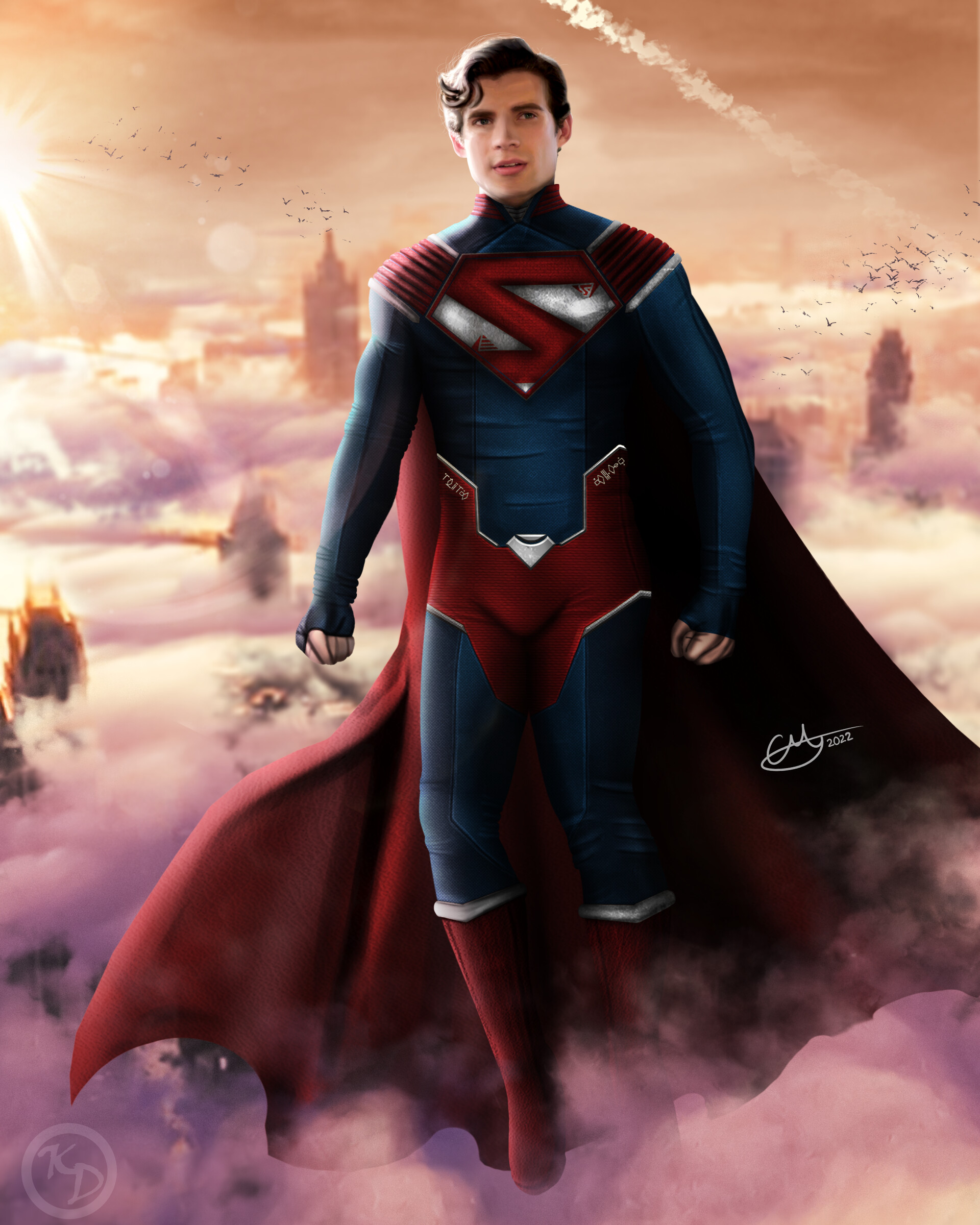
Superman and Batman represent two fundamentally opposing answers to a single question: how should power be wielded to protect the vulnerable? One flies down from the sky with the strength of a sun-god and absolute moral clarity. The other drops from the shadows of Gotham rooftops, battered, paranoid, and armed with contingency plans for every living being on Earth. This clash isn't just about who wins a fistfight on a rainy rooftop. It's an ideological war between boundless hope and pragmatic vigilance, and its outcome shapes the entire modern mythology of superhero fiction.
When Jerry Siegel and Joe Shuster introduced Superman in Action Comics #1 published by DC Comics, they birthed the archetype of the immigrant savior—an alien orphan who chooses to champion Earth because it's the right thing to do. Bruce Wayne arrived a few years later in Detective Comics #27, crafted by Bob Kane and Bill Finger as a creature of grief who weaponized his trauma against the underworld. Placed side by side, they expose the tension between utopian idealism and dystopian realism. Let's look at how their philosophies diverge, where their methods clash, and what their eternal rivalry tells us about the nature of justice.
The Philosophical Divide: Hope Versus Trauma
At the core of the rivalry lies a deep philosophical chasm regarding human nature. Superman believes people are inherently good, or at least capable of reaching the light if given an inspiring example. He flies in broad daylight because he wants his presence to comfort the frightened and deter the wicked through sheer inspiration. His morality is deontological: certain lines, like executing a criminal or destroying a city block unnecessarily, are never crossed because doing so compromises the very values he represents.
Batman operates from a cynical, trauma-born premise. He assumes the worst about human nature because his parents were gunned down in a dark alley while a wealthy city looked away. Bruce Wayne doesn't trust the sun; he trusts shadows, surveillance, and leverage. His moral code is rigid, but it's born of a fear that if he crosses the line into lethal force, he'll become the monsters he hunts. For another perspective on this event, see the recent coverage from Reuters.
This ideological split manifests clearly in how they handle adversaries. Superman aims for rehabilitation and structural change, using his immense platform to advocate for justice on a global scale. Batman treats symptoms with surgical violence, breaking jaws and ribs to send a message through the criminal ecosystem of Gotham.
- Superman's View: Humanity needs a beacon, a moral north star to inspire better choices.
- Batman's View: Humanity needs a guardian in the dark, because good intentions won't stop a bullet in an alley.
Power, Vulnerability, and the Cost of Capability
The physical disparity between the two characters creates a fascinating power dynamic that writers have explored for decades. Superman possesses solar-fueled invulnerability, super-speed, freezing breath, and heat vision. He can move tectonic plates or catch falling airliners. Yet this god-like power carries an immense psychological burden. Every time Clark Kent steps onto a battlefield, he has to hold back so he doesn't accidentally kill the fragile mortals around him.
Batman has no superpowers. His abilities are the result of peak human physical conditioning, mastery of dozens of martial arts, and an intellect that ranks among the finest on Earth. His power comes from preparation and capital. He utilizes Wayne Enterprises technology, armored cowls, and specialized gadgets to bridge the gap between man and god.
Yet, Batman's greatest weapon against Superman isn't a slab of kryptonite hidden in his belt; it's psychological warfare. Bruce knows that Clark's greatest strength—his boundless empathy—is also his biggest liability. Superman hesitates because he cares. Batman exploits that hesitation. In classic stories like Frank Miller's The Dark Knight Returns, Batman uses synthetic kryptonite not just to level the physical playing field, but to force Superman to confront the reality of state-sanctioned compliance.
Narrative Evolution Across Decades
The relationship between the Man of Steel and the Dark Knight hasn't always been adversarial. In the Silver Age, they frequently teamed up as the "World's Finest," sharing clubhouse adventures in the Fortress of Solitude and treating each other with mutual professional respect. They were colleagues saving the world with a handshake and a smile.
Modern storytelling, however, deconstructs that friendship into a complex friction. Creators realized that putting two icons with completely incompatible worldviews in the same room creates better drama when they disagree.
- The Silver Age Partnership: Mutual trust, shared respect, and clear moral boundaries against colorful villains.
- The Modern Deconstruction: Ideological friction, distrust of unchecked power, and ethical gray areas regarding preemptive justice.
In stories like Mark Waid and Alex Ross's Kingdom Come, this friction becomes prophetic. Superman retires after a new breed of violent vigilantes takes over, leaving a vacuum that Batman tries to manage through authoritarian control. The narrative argues that neither hero can succeed without the other's perspective. Superman without Batman's pragmatism is naive; Batman without Superman's idealism is a fascist in a cape.
Common Misconceptions About the Rivalry
Fans often reduce the conflict to a simple question: "Can Batman beat Superman?" This reduction misses the point of both characters.
Another common error is viewing Batman as purely paranoid and Superman as purely naive. In reality, both characters possess hidden depths. Clark Kent is a sharp investigative journalist at the Daily Planet who understands human corruption on a systemic level much better than a billionaire in a cave often gives him credit for. Similarly, Bruce Wayne engages in massive philanthropic efforts through his foundation to uplift Gotham's economy, proving he believes in social reform just as much as he believes in punching mobsters.
People also assume kryptonite is an automatic win button for Batman. Writers worth their salt know that a prepared Superman using his super-speed from miles away would incinerate a bat-suit before Bruce could even open a lead-lined container. When Batman wins or holds his own in a fight, it's almost always because Superman is holding back, trying to talk sense into his friend rather than obliterate him.
Frequently Asked Questions
Who would actually win in a fight without holding back?
If both characters fought with lethal intent and zero restraint, Superman would win in a fraction of a second. He can move faster than thought and level continents. Batman survives encounters only because Superman values his life and friendship.
Why are they friends if they disagree so much?
They act as each other's moral anchor. Superman reminds Batman that humanity is worth saving and that hope isn't weakness. Batman reminds Superman of human vulnerability and keeps him grounded in the harsh realities of the world.
Is Batman's no-kill rule the same as Superman's?
No. Superman avoids killing because he believes in redemption and respects all life. Batman avoids killing because he knows his psyche is fragile; if he crosses that line once, he fears he won't be able to stop.
Which character represents the core of DC Comics?
Neither stands alone. DC Comics was built on the dual pillars of Superman representing the light of mythology and Batman representing the grit of urban crime noir.



