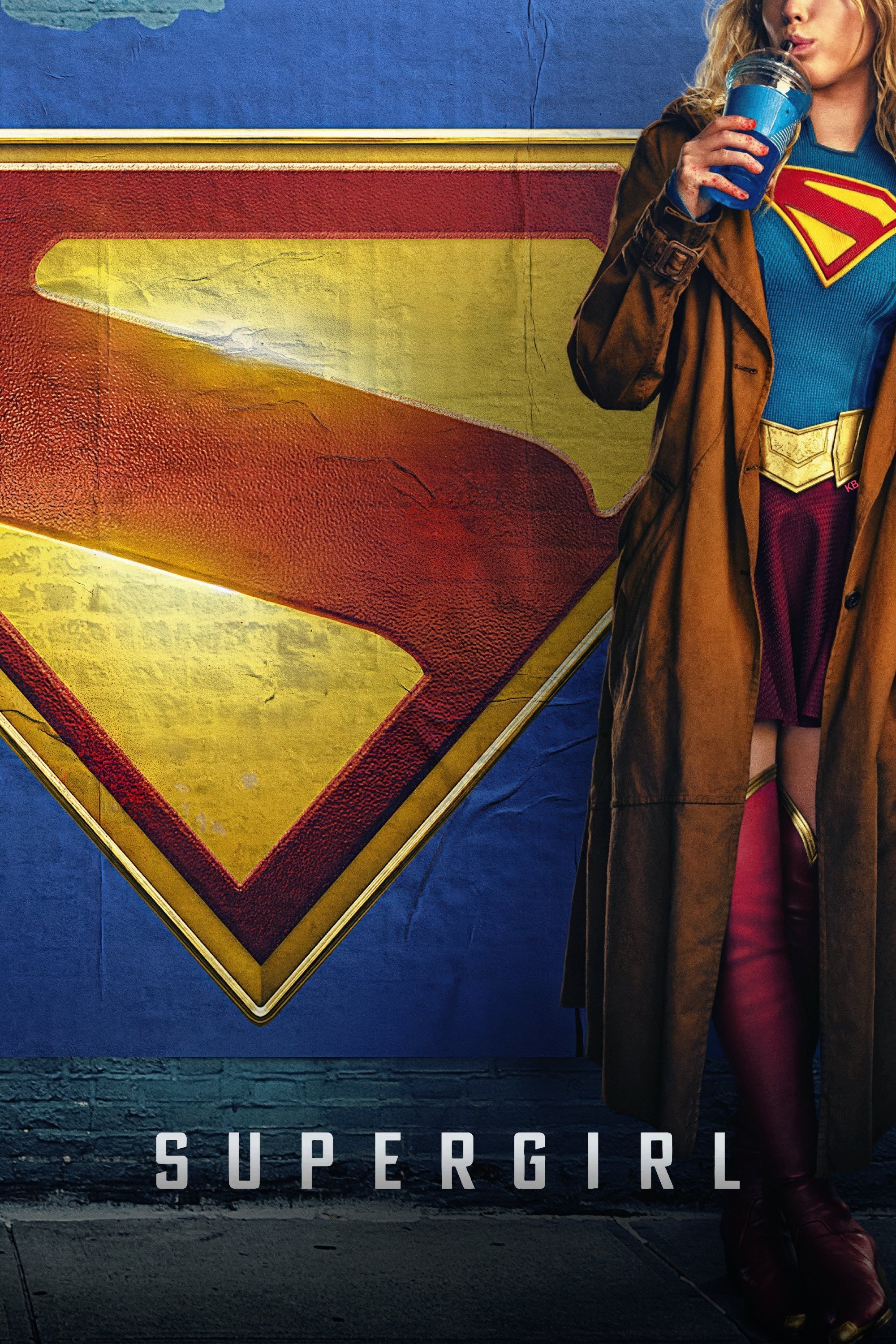
Bringing the Maid of Steel to live-action television requires balancing comic book history with modern storytelling. Across different adaptations, the Supergirl show cast has shaped how audiences perceive Krypton's last daughters, alien refugees, and the complex web of allies and villains surrounding National City. Whether you're looking back at classic series or tracking modern cinematic universes, understanding the actors behind the capes adds depth to the viewing experience.
The Evolution of Supergirl on Television
Television adaptations of Kara Zor-El have evolved significantly from early guest appearances to headlining multi-season network dramas. The character first gained widespread modern television prominence through the CBS and CW series Supergirl, which ran for six seasons. This iteration established a blueprint for modern superhero television by focusing heavily on supporting ensembles, workplace dynamics at CatCo Worldwide Media, and DEO operations.
When casting a lead for a long-running superhero property, producers look for performers who can balance physical action with genuine emotional vulnerability. The television medium allows creators to spend hours developing character arcs that films compress into two hours. This pacing gives secondary characters—such as adoptive sisters, skeptical mentors, and formidable alien antagonists—ample room to grow and resonate with fans.
Core Ensemble and Character Breakdowns
A successful superhero show relies just as much on its supporting cast as it does on its title hero. In major television adaptations, the core ensemble typically features a mix of investigative journalists, secret agents, and formidable adversaries who push the protagonist to their limits. Related insight on the subject has been provided by The Hollywood Reporter.
- The Protagonist: Kara Zor-El serves as the emotional and moral center of the series, balancing ordinary career struggles with high-stakes cosmic battles.
- The Adoptive Sister: A brilliant scientist and government operative who grounds the alien protagonist in human realities and familial loyalty.
- The Media Mogul: A sharp-witted media executive who mentors the hero in navigating corporate structures and public relations.
- The Alien Ally: A Martian survivor living undercover on Earth, providing centuries of wisdom and combat expertise.
These relationships create a realistic support system. Instead of operating in total isolation, Kara relies on a trusted inner circle often referred to as the "Super Friends" in fan communities. This collaborative dynamic shifts the narrative from a solitary crusader story to an ensemble-driven workplace and family drama.
Iconic Villains and Antagonists
Conflict drives any superhero narrative, and television adaptations have introduced a diverse roster of threats ranging from anti-alien extremists to Kryptonian generals.
- Kryptonian Rivals: Family members or military figures from Krypton's past who challenge the protagonist's ideology regarding Earth and humanity.
- Corporate Technologists: Human antagonists who use advanced weaponry and political manipulation to exploit public fear of extraterrestrials.
- Interdimensional Threats: Beings from alternate realities or magical realms that test the limits of physical strength and scientific reason.
According to DC, the comic book origins of these characters often provide rich subtext that writers adapt to reflect contemporary social issues, such as immigration, media bias, and government oversight.
Behind the Scenes: Casting and Production Dynamics
Casting a major comic book property involves rigorous chemistry reads, physical stunt training, and long-term contract commitments. Actors often spend months preparing for fight choreography and wirework stunts before cameras even roll. Furthermore, television production schedules require performers to maintain high energy levels across twenty-plus episodes per season.
Many cast members also cross over into other interconnected television properties, participating massive multi-show crossover events. These events require precise coordination between different production crews to align schedules, costumes, and storyline continuity across multiple networks or streaming platforms.
Frequently Asked Questions
Who played the lead role in the modern Supergirl television series?
Melissa Benoist starred as Kara Danvers/Supergirl throughout the show's six-season run on CBS and The CW, becoming the definitive live-action television iteration of the character for a generation of viewers.
Did earlier television shows feature Supergirl?
Yes, Helen Slater portrayed the character in the 1984 feature film, and later made guest appearances in various television adaptations like Smallville and the modern Supergirl series, playing different supporting roles.
How do television adaptations differ from comic book origins?
Television shows often introduce original supporting characters, update costume designs for practical stunt work, and condense complex comic book storylines to fit weekly episodic formats.
Where can official information about DC television projects be found?
You can explore official character profiles, comic histories, and news announcements directly on DC and Warner Bros. Discovery platforms.



