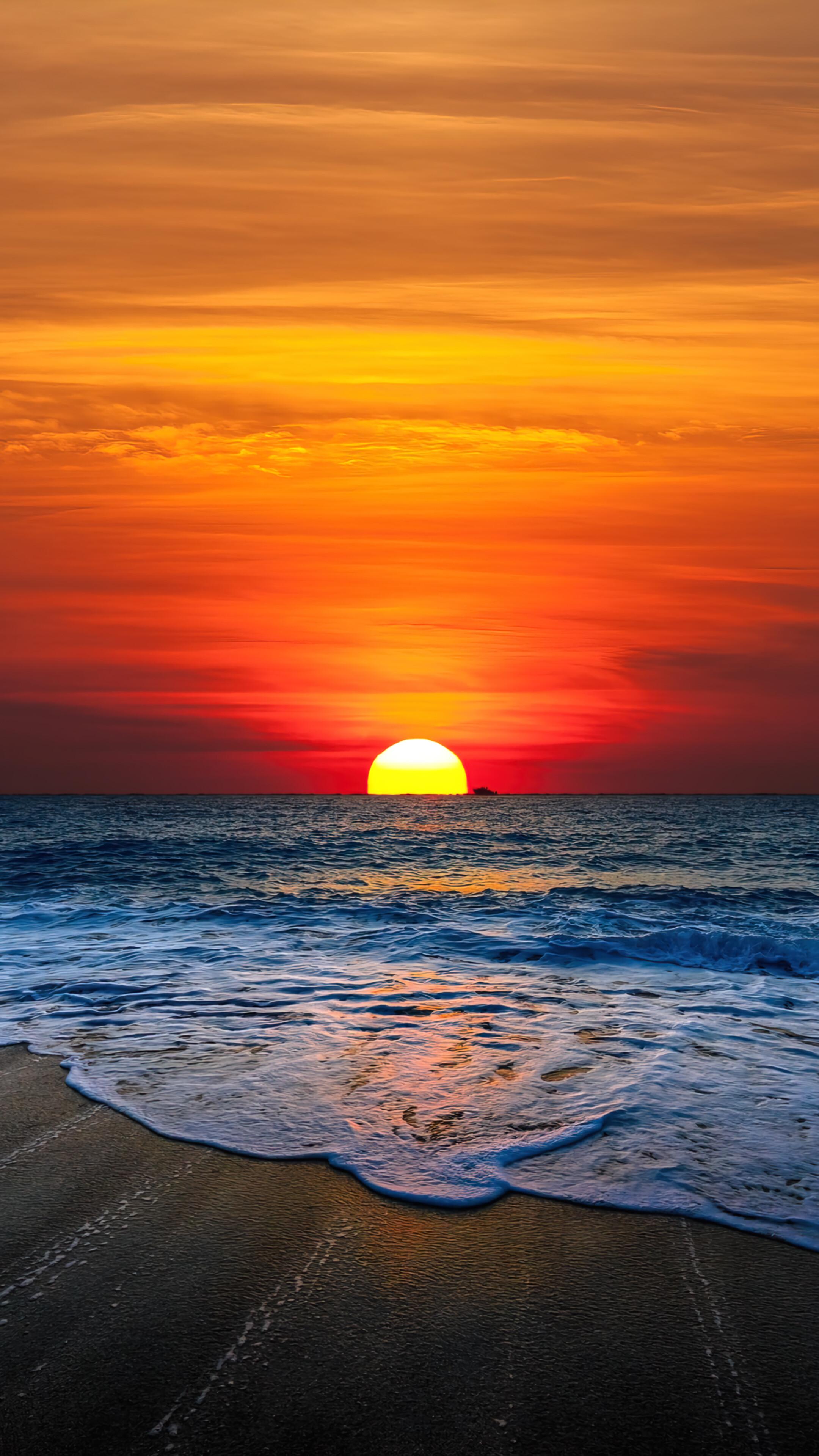
Tracking down the best evening view across the Garden State takes more than just stepping outside at dusk. Whether you're standing on an ocean pier or looking across a mountain ridge, catching a striking evening sky depends heavily on local timing, atmospheric conditions, and choosing the right vantage point.
Evening colors in New Jersey shift constantly with the seasons and coastal weather patterns. The state's unique mix of barrier islands, urban skylines, and high elevation ridges in the northwest creates vastly different backdrops for twilight photography and evening relaxation.
Understanding Twilight Timing Across New Jersey
Knowing when to step outside is the most common hurdle for casual watchers. The exact minute of evening twilight shifts by several minutes each week, and coastal regions experience slightly different light angles compared to the Delaware River valley.
- Check the exact solar schedule using official meteorological sources like the National Weather Service rather than relying on generic phone widgets.
- Arrive at your chosen vantage point at least 30 minutes before the calculated sundown mark. The most intense color gradients happen right as the sun dips below the horizon and during the ensuing twilight phase.
- Factor in local geography. If you're watching from a deep valley or an urban canyon surrounded by skyscrapers, direct light disappears significantly earlier than it does on an open beach.
Premier Coastal and Beach Locations
The Atlantic coastline provides wide, unobstructed horizons where the entire western sky opens up. Winter months often produce the sharpest color displays along the shore due to lower humidity and cleaner air masses moving down from Canada. For another perspective on this event, check out the recent update from AFAR.
Cape May Point State Park
Sitting at the southernmost tip of the state, this area offers rare ocean views where you can watch the sun sink directly into the water during specific times of the year. The historic lighthouse grounds and surrounding dune trails give photographers an unobstructed foreground with old military bunkers and migrating bird populations.
Ocean City and Long Beach Island
Barrier island beaches face eastward toward the ocean, meaning the vibrant colors reflect backward onto the sand, dunes, and surf during clear evenings. Photographers often turn away from the water to capture the pink and purple hues hitting the buildings and marsh bridges along the bay side.
Elevated Inland and Ridge Viewpoints
When coastal fog rolls in or summer humidity washes out the horizon, heading inland toward higher elevations changes the dynamic entirely. The ridge and valley province in northern New Jersey offers dramatic panoramas above the tree line.
High Point State Park
Perched on the highest elevation in the state within Sussex County, this monument area provides a sweeping view across three states. On clear autumn evenings, you can see miles of rolling forest canopy catch the golden hour light before the horizon fades into deep blue and violet.
Watchung Reservation and Pyramid Mountain
For residents closer to the metropolitan corridor, the trap rock ridges of the Watchung Mountains offer sudden openings facing west. Historic overlooks along these ridges catch the glow reflecting off local reservoirs and distant suburban skylines.
Urban Skylines and Waterfront Promenades
New Jersey offers some of the most famous urban silhouettes in the world, framed against the western sky across the Hudson River.
Exchange Place and Liberty State Park
Standing along the waterfront in Jersey City or the lawns of Liberty State Park places the lower Manhattan skyline directly between you and the western horizon. The interplay of fading natural light against glass skyscrapers and passing ferry boats creates a distinct metropolitan atmosphere.
Common Mistakes to Avoid
- Rushing away too early: Many people pack up their gear the exact second the sun disappears. The most dramatic post-glow colors often appear 10 to 20 minutes after actual sundown as high-altitude clouds catch the remaining scattered light.
- Ignoring cloud cover forecasts: Total overcast ruins the view, but thin, scattered cirrus clouds often create the most brilliant red and orange displays by catching light high in the stratosphere.
- Underestimating temperature drops: Evening temperatures near the water or on mountain ridges can plummet quickly once the sun goes down, especially during spring and autumn. Always pack an extra layer.
Frequently Asked Questions
Why do some evenings produce bright red skies while others look dull?
Atmospheric particulate matter and moisture levels dictate color intensity. High pressure systems often trap dust and pollutants, while cold fronts sweep the air clean, leading to sharp, vibrant color transitions.
Is photography equipment necessary to enjoy the view?
No equipment is needed, but smartphones struggle with high-contrast scenes. Tapping the screen on the brightest part of the sky and lowering the exposure slider manually prevents the highlights from washing out to pure white.
Are state parks open late enough to watch the twilight?
Most New Jersey state parks close at sunset, but visitors walking or lingering near designated parking lots for twilight photography are generally permitted. Always check local park signage for specific gate closure times.


