The sunflower life cycle transforms a hard, striped kernel into a towering golden giant in roughly three to four months. If you plant a seed in warm spring soil, you'll witness one of nature's fastest and most dynamic botanical transformations. From the underground emergence of the radicle to the final heavy head bowing with mature seeds, every single phase follows a precise biological clock.
Understanding this journey helps you grow healthier plants, troubleshoot common garden pests, and time your harvest perfectly. Whether you're planting dwarf varieties in containers or mammoth cultivars that stretch past ten feet, knowing what happens beneath the soil and up in the sunlit canopy changes how you care for your garden.
Germination and Underground Emergence
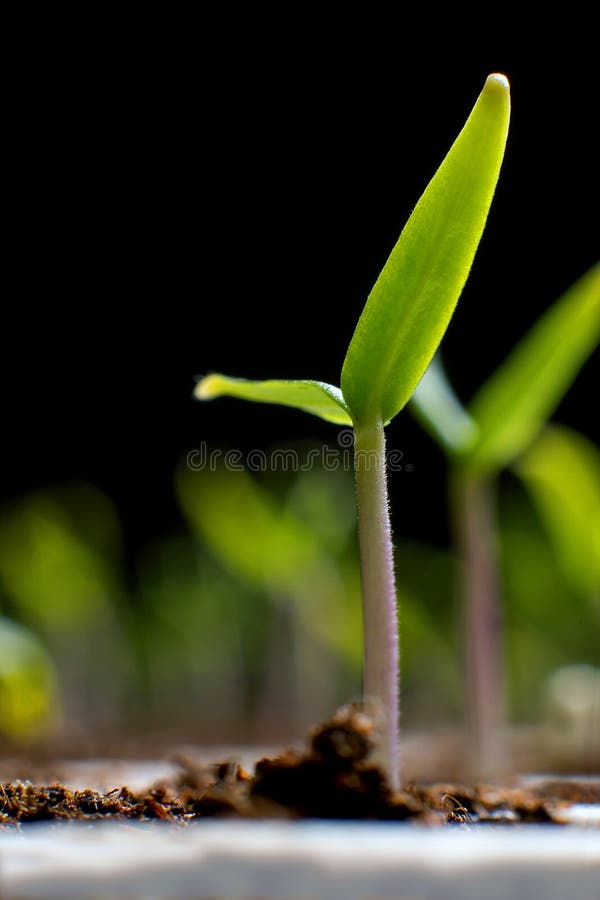
The life cycle begins the moment a viable seed absorbs water. Moisture reactivates dormant enzymes inside the kernel, kicking metabolic processes into high gear. Within a week to ten days of planting in soil warmed to between 70°F and 78°F, the embryonic root, called the radicle, pushes downward to anchor the plant and gather moisture.
Next, the hypocotyl—the stem segment below the seed leaves—elongates and pushes the seed shell upward through the dirt. Once it breaks the surface, the shell often drops off to reveal two plump seed leaves known as cotyledons. These early leaves absorb sunlight immediately, fueling the seedling until true leaves form.
- Soil depth: Plant seeds about 1 inch deep to ensure they stay moist while retaining enough weight to shed their seed coats cleanly.
- Watering needs: Keep the soil consistently damp but never soggy during this ten-day window to prevent seed rot.
- Common mistake: Planting too early in cold, wet spring soil invites soil-borne fungi that destroy seeds before they sprout.
Vegetative Growth and Heliotropism
Once true leaves appear, the plant enters a rapid vegetative growth phase. The root system plunges deep into the earth—sometimes reaching down six feet—which gives mature plants their impressive drought tolerance. Above ground, the stem thickens rapidly while producing broad, rough-textured leaves designed to capture maximum sunlight.
During this stage, young plants display a fascinating behavior called heliotropism. The developing flower bud tracks the sun from east to west every single day, resetting its position overnight to face east by dawn. This solar-tracking maximizes energy capture during peak growth periods. Once the flower head fully opens, heliotropism stops, and the mature head remains fixed facing eastward.
- Nutrient demand: Sunflowers are heavy feeders requiring steady nitrogen during early stem development.
- Spacing rule: Space large varieties at least two feet apart so their root systems don't compete aggressively for water and nutrients.
- Support check: High winds can snap fast-growing stalks, so stake tall varieties early if your local climate experiences heavy spring storms.
Bloom, Pollination, and Fertilization
The reproductive climax arrives when the tight green bud unfurls into an iconic golden disk. What looks like a single giant flower is actually a composite structure made of two distinct types of florets. The outer bright yellow petals are ray florets, which don't produce seeds but serve as landing pads to attract pollinators. The inner disk consists of hundreds of tiny individual flowers packed tightly together.
Each disk floret opens for just one day, starting at the outer edge and moving inward toward the center over a 7-to-10-day window. Bees and other beneficial insects crawl across the face, transferring pollen from flower to flower. While some self-pollination happens, insect pollination yields significantly fuller seed sets and higher overall yields.
- Pollinator attraction: Plant companion flowers like lavender or echinacea nearby to draw heavy populations of native bees and butterflies.
- Rain sensitivity: Prolonged heavy rain during peak bloom can wash away pollen and reduce the total number of viable seeds.
- Garden observation: Watch for morning foragers; honeybees and bumblebees are most active on sunflower heads between mid-morning and early afternoon.
Seed Maturation and Harvest
Following successful fertilization, the ray petals wither and drop, and the heavy flower head begins to bow downward under the weight of developing seeds. The plant redirects its energy entirely from foliage to filling out the kernel inside each hull. This seed-filling stage takes roughly 30 to 45 days.
As maturity approaches, the back of the flower head turns from green to a rich yellow, and then brown. The outer bracts dry out completely, signaling that harvest time is near. Commercial growers often consult guidelines from agricultural extensions like The Old Farmer's Almanac to track optimal moisture levels before threshing.
- Cut the stalk about one foot below the flower head once the backs turn brown and seeds look plump.
- Rub two mature heads together over a clean bucket or tarp to dislodge the loose seeds easily.
- Spread the harvested seeds in a single layer indoors for a few days to dry completely before long-term storage.
Frequently Asked Questions
How long does the entire sunflower life cycle take?
From the day you plant the seed until the final harvest, the typical cycle spans 80 to 120 days. Fast-maturing dwarf cultivars can finish in under 70 days, while massive heritage varieties need the full four months.
Why did my sunflower stop tracking the sun?
Solar tracking stops permanently once the heavy flower head opens fully and blooming begins. At that point, the stem stiffens up and locks the mature face permanently toward the eastern morning sun.
Can sunflowers grow successfully in pots?
Yes, you can easily grow dwarf varieties like 'Sunspot' or 'Big Smile' in containers that hold at least five gallons of potting mix and feature strong drainage holes.
Do sunflowers need fertilizer throughout their life cycle?
Most garden soils provide enough baseline nutrients, but a balanced, low-nitrogen organic fertilizer applied when the plant reaches two feet tall can boost overall head size. Avoid high-nitrogen fertilizers later in the season, or you'll get massive leaves with very few seeds.



