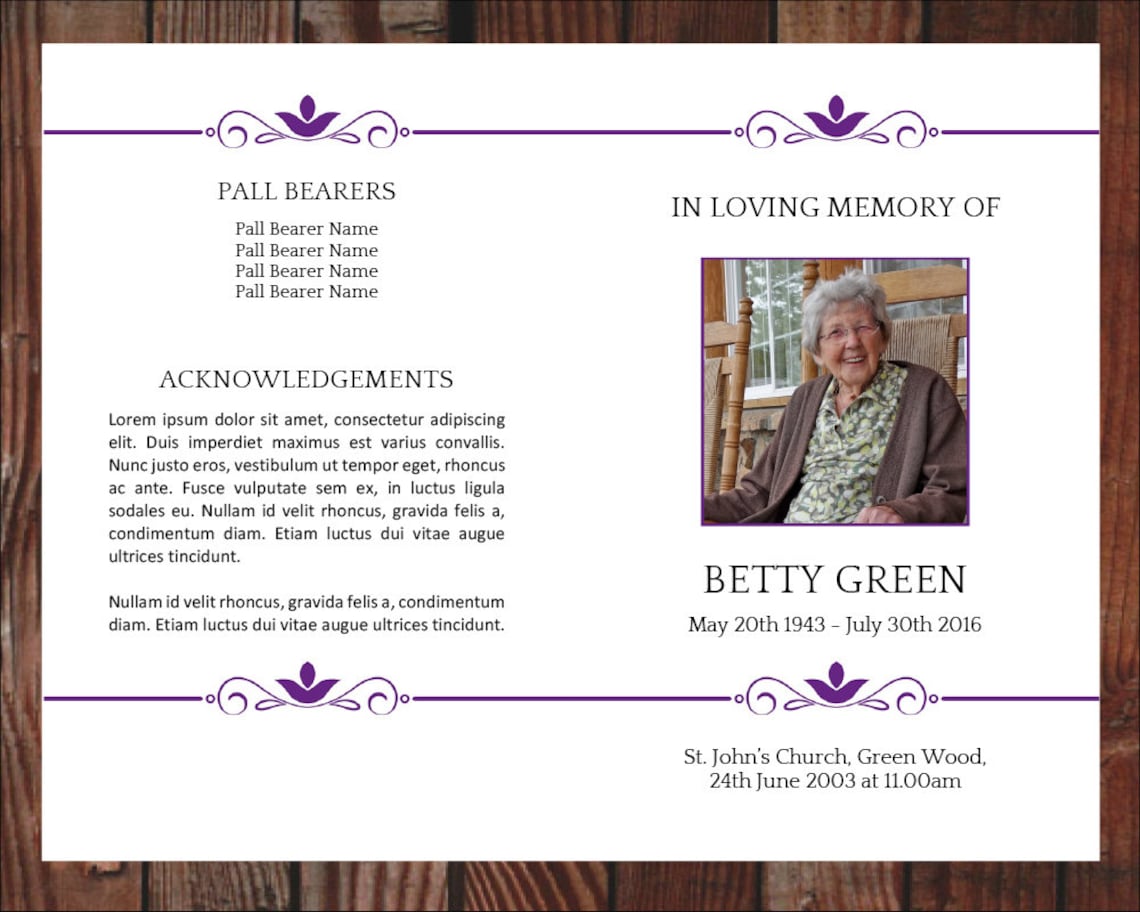
Navigating Sumter SC obituaries offers more than just service dates; it uncovers the personal milestones of individuals who built the foundation of Sumter County. Whether you're researching family ancestry or honoring a neighbor, local death notices preserve the historical fabric of the Midlands region. Finding accurate records requires knowing where to look and understanding how these archives reflect community heritage.
Local archives and regional funeral homes maintain active records that trace generations of residents. Publications like The Sumter Item have documented daily life and passings for over a century, providing an essential window into the past. Understanding how to navigate these resources helps researchers piece together family histories with accuracy and respect.
Where to Find Verified Sumter County Death Notices
Accessing reliable records starts with primary local sources rather than generalized aggregator sites. Funeral homes in the area update their registries immediately following a passing, ensuring families receive accurate information regarding services and memorials.
Local institutions handle a high volume of local records directly:
- The Sumter Item: The region's primary daily newspaper offers searchable archives dating back decades, capturing detailed life stories and community tributes.
- Whites Mortuary: A long-standing local establishment providing detailed service schedules and direct family notices.
- Job's Mortuary: Another historic provider maintaining comprehensive records of local residents and community leaders.
- Elmore-Cannon-Stephens Funeral Home: Known for preserving detailed biographical information that highlights a person's civic and personal contributions.
Using these primary channels prevents confusion caused by delayed syndication on national platforms. When families submit notices, they often include specific details about military service, church affiliations, and local club memberships that reflect community involvement.
The Historical Value of Local Life Notices
Obituaries serve as primary source documents for historians and genealogists mapping Sumter County families. They connect names to places like Mayesville, Pinewood, and Wedgefield, charting migration patterns and occupational shifts over generations.
Historically, these notices captured the agricultural roots of the county, noting involvement in cotton farming, timber industries, and early local commerce. Mid-century entries often highlight the expansion of local manufacturing and the influence of Shaw Air Force Base on the local population. Military service mentions reveal how global conflicts impacted local families, creating a localized record of service and sacrifice.
Researchers examining older texts can track surname distributions across townships. This data aids in building comprehensive family trees without relying solely on census data, which only updates every ten years.
Common Research Pitfalls to Avoid
Searching historical records often leads to dead ends if you rely on rigid search terms. Spelling variations can throw off digital searches, especially for family names that evolved over generations.
- Ignoring maiden names: Many historical databases indexed women solely under their husbands' names. Always cross-reference family Bibles or marriage records.
- Trusting transcription errors: Automated OCR software frequently misreads old newsprint, turning names like "McLeod" into "Mcleod" or altering dates.
- Overlooking secondary notices: A brief death notice often appears days before a detailed memorial article is published. Check back across a two-week window.
- Neglecting church registries: Many historic congregations in Sumter County kept independent membership and burial rolls that predate modern municipal record-keeping.
Frequently Asked Questions
How far back do Sumter newspaper archives go?
Local print archives and digital microfilm collections for regional papers extend back into the late 19th century, though digital keyword searchability is most reliable for the late 20th century onward.
What details are typically included in a traditional notice?
Standard entries list the full name, age, date of birth and death, surviving family members, career highlights, and details regarding church affiliations or funeral services.
Can I submit a correction to a published notice?
Families should contact the publishing funeral home or newspaper office directly. Outlets usually issue corrections or updated notices if errors are identified shortly after publication.
Why do some older local residents not appear in digital databases?
Before widespread digitization, many records existed only in physical print or church ledgers. Locating those individuals often requires visiting local libraries or historical societies in person.



